I just came back from a five-day long hike through the Ardennes with my friend Markus. We walked way over a hundred kilometers, much of it through the dense autumn woods. The paths were well marked, and whenever in doubt, we had our phones’ GPS to keep us on track.
In rainy, cloudy and sunny weather, we crossed the Luxembourg–Belgium border, climbed steep hills and descended into valleys, passed through dark coniferous and colourful broadleaf woods, and walked along the banks of the River Ourthe and its tributaries for long, difficult stretches.
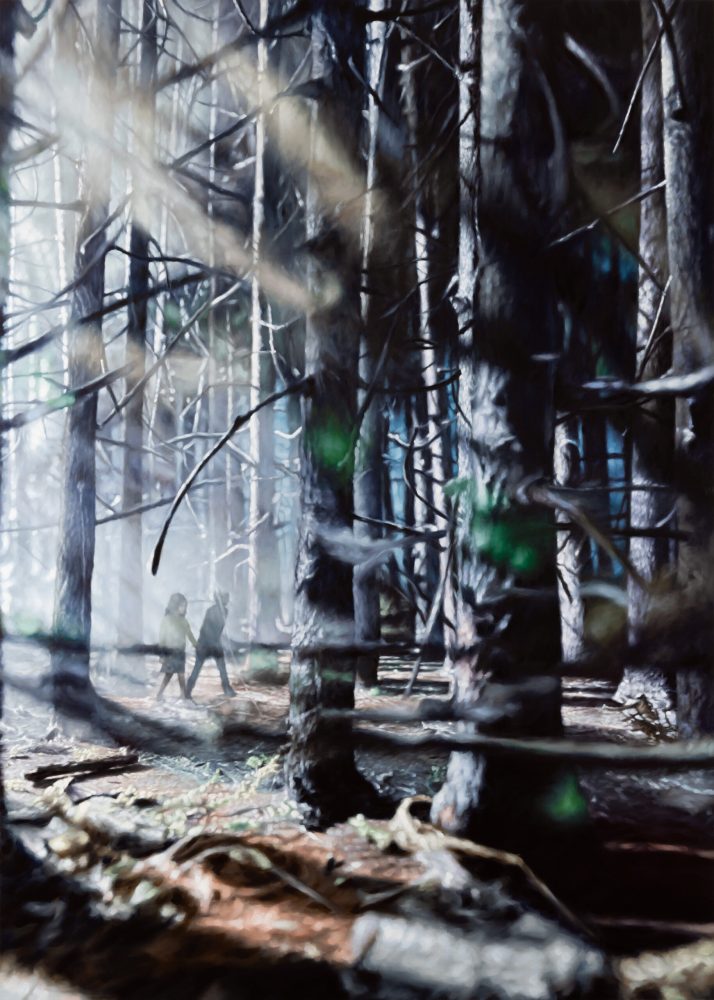
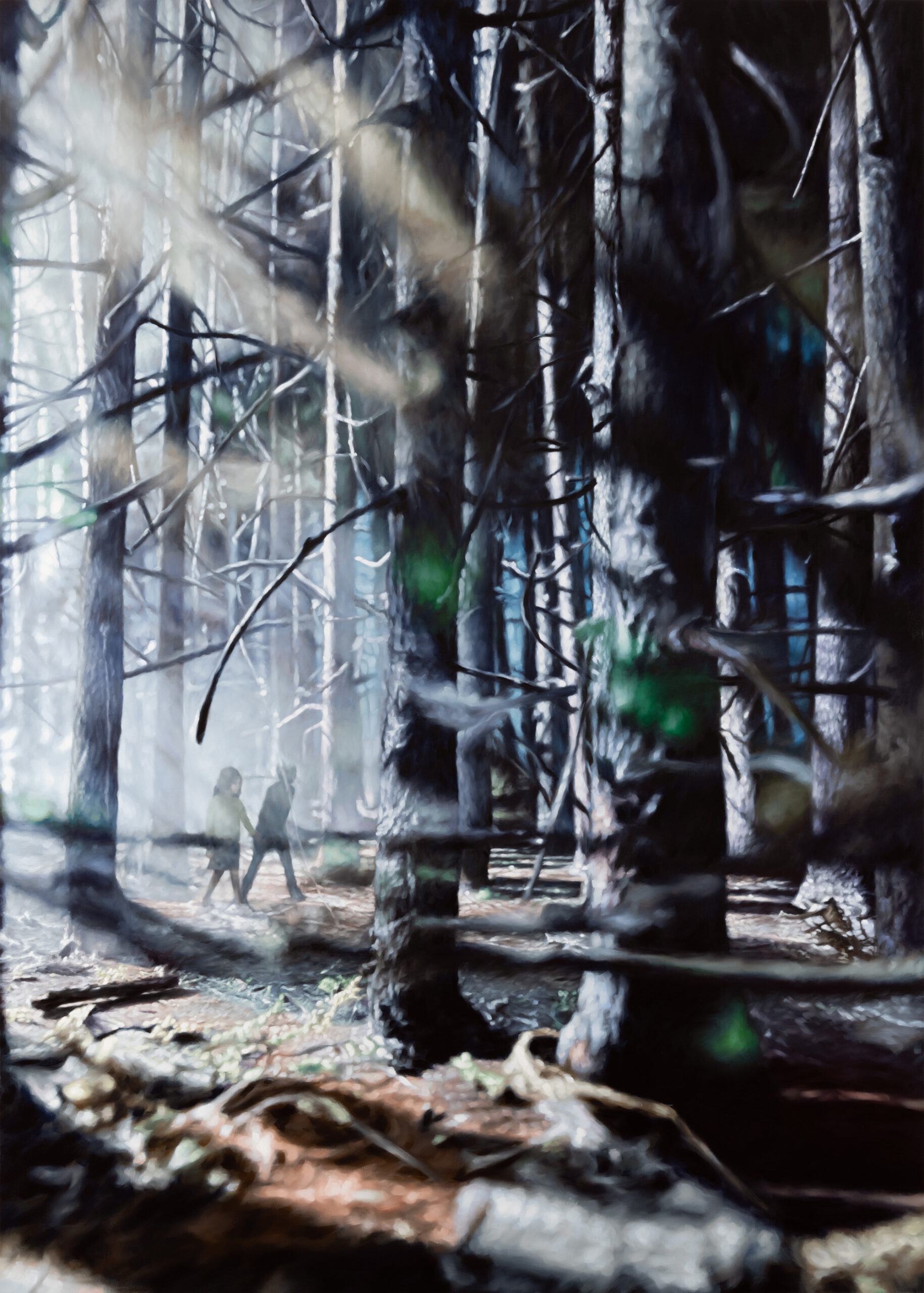
Admittedly, two men in their 50s walking a well-trodden trail, with a hotel booked and dinner waiting after each day’s hike, have little in common with Hänsel and Gretel, abandoned in the forest.
“They walked all through the night and another day, from morning until evening, but they could not find their way out of the forest.” [“Sie gingen die ganze Nacht und noch einen Tag von Morgen bis Abend, aber sie kamen aus dem Wald nicht heraus.”]
The Grimms tell us nothing about the forest itself, nor what the children saw or experienced along the way. All we are given is the time spent walking.
Storytelling can afford such brevity, of course. Entire lifetimes can be compressed into a single sentence.
Curiously, memory works in a similar way. The five-day walk through the Ardennes has already been compressed into certain images or scenes. If pressed about a specific day or place, my mind might produce a more detailed recollection, but the long daily walks are hardly remembered in any detail. Sometimes I’m not even entirely sure whether memory preserves certain moments at all, or rather constructs images that stand in for much broader experiences. But how much time does a single image actually contain?
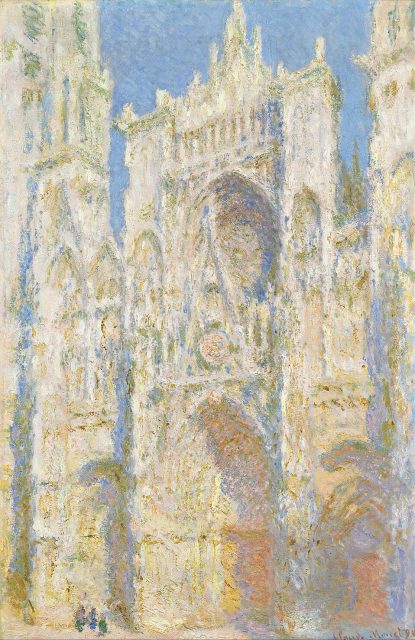
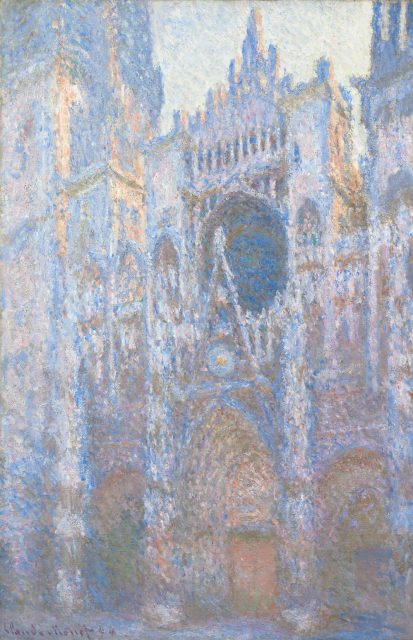
In 1892 and 1893, Monet rented apartments in Rouen, planning to paint the western portal of the cathedral in different lighting conditions. Working from his window, he soon discovered that he couldn’t paint nearly as fast as the light changed, so he resorted to working on several canvases at once, returning to each as the conditions changed. Back in his studio in 1894, he extensively reworked the canvases, carefully adjusting each painting individually as well as in relation to the others.
The fleeting moment of light on the canvas took three years to make.
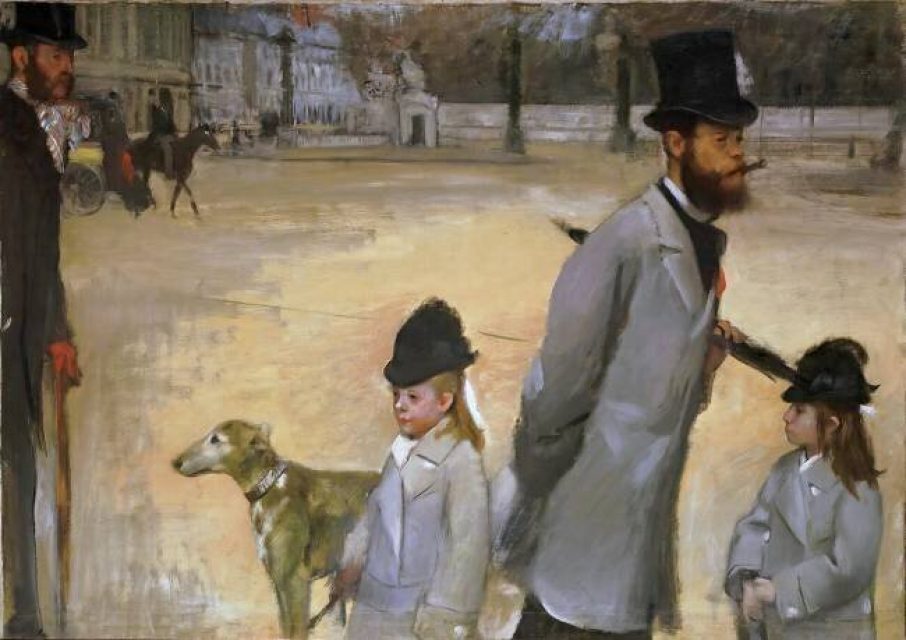
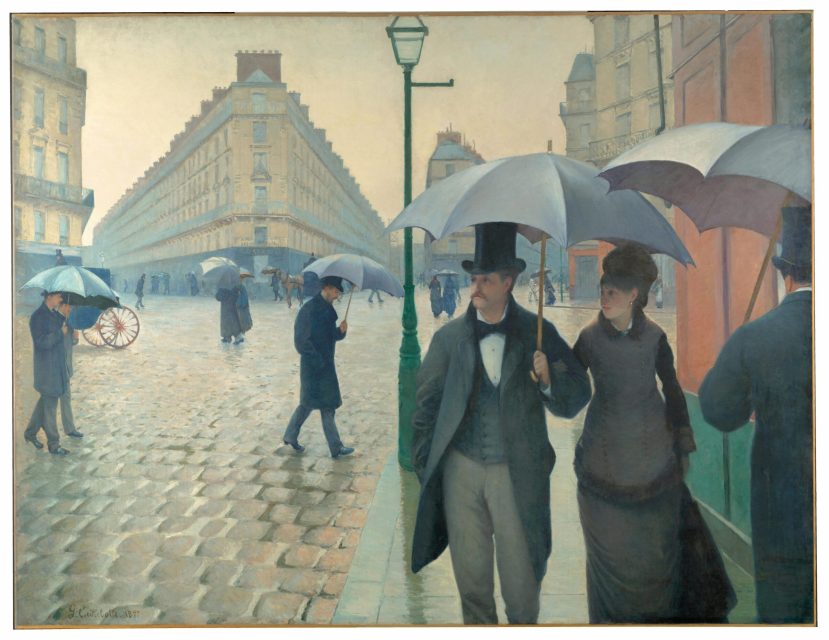
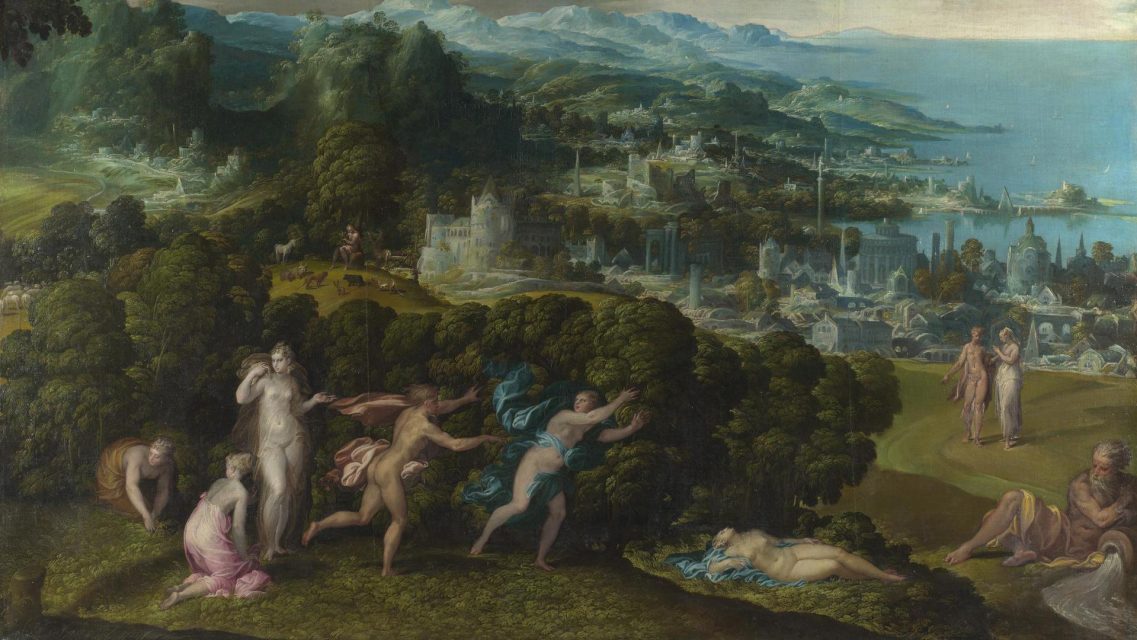
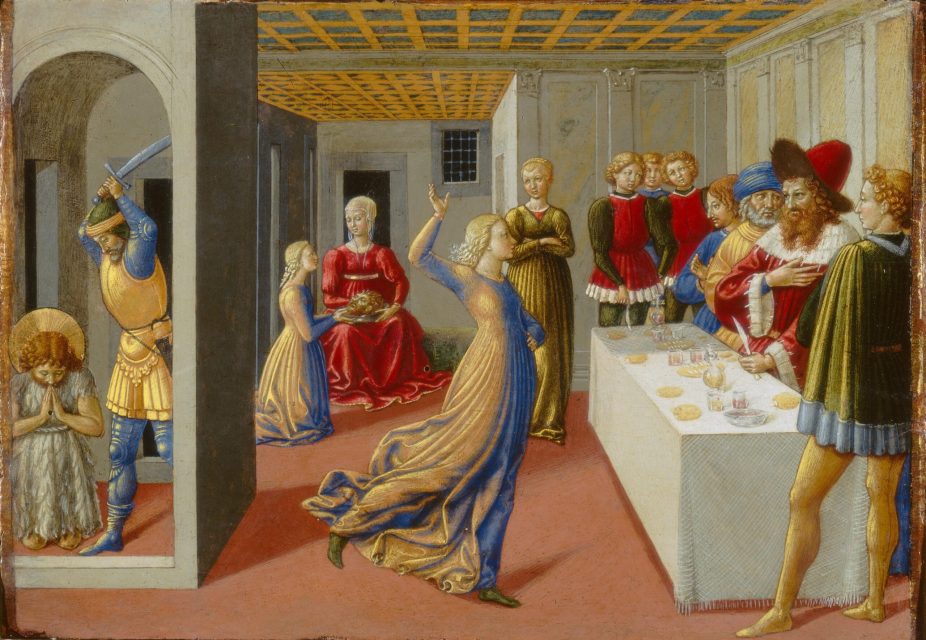
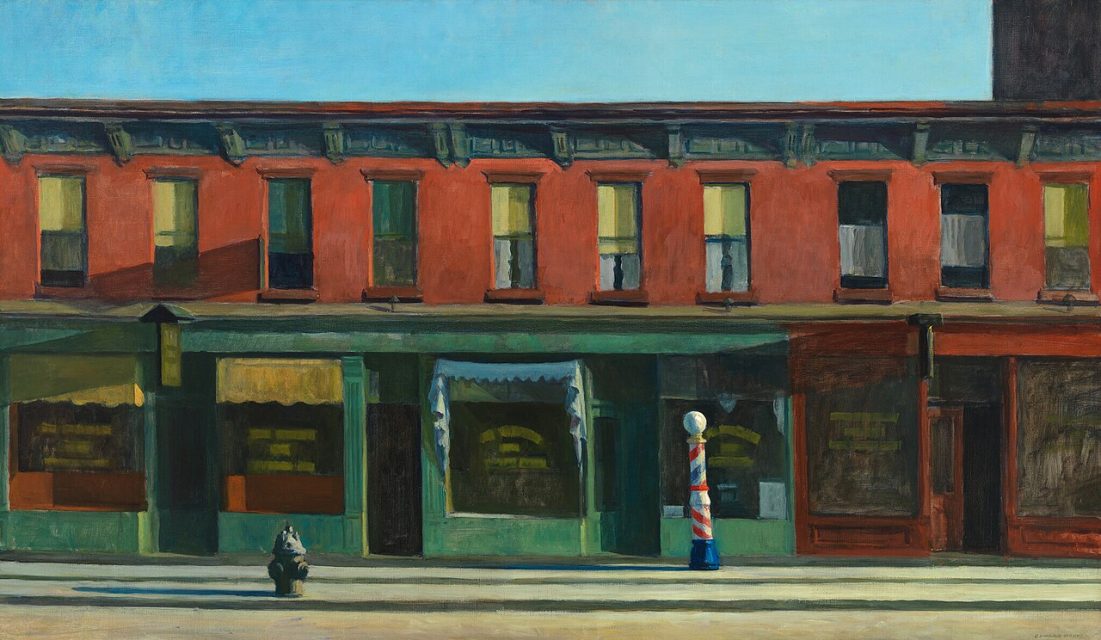
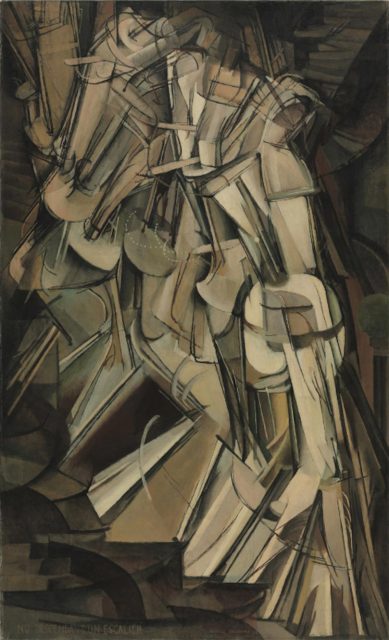
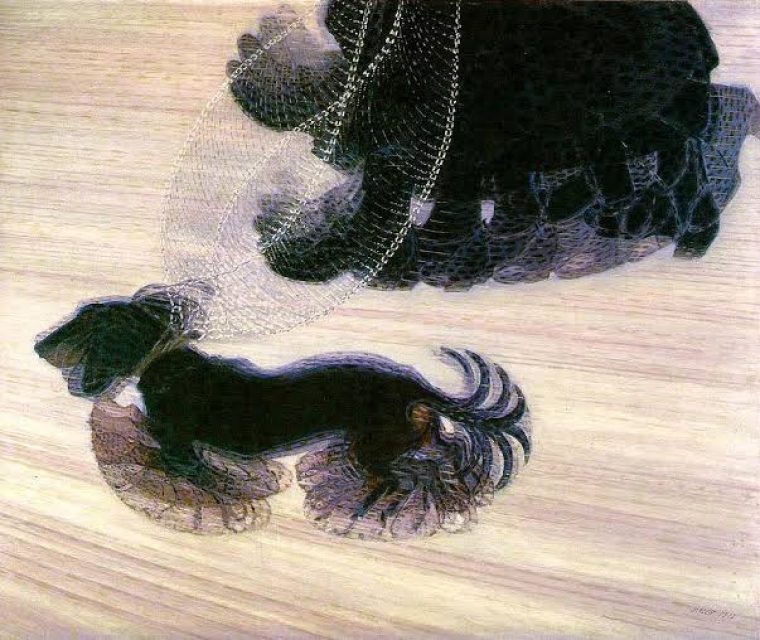
The same is true of every painting. No matter how fast a painter is, a painting is still necessarily made in successive actions. But the resulting image doesn’t reveal itself in that order. Everything is suddenly there, available all at once.