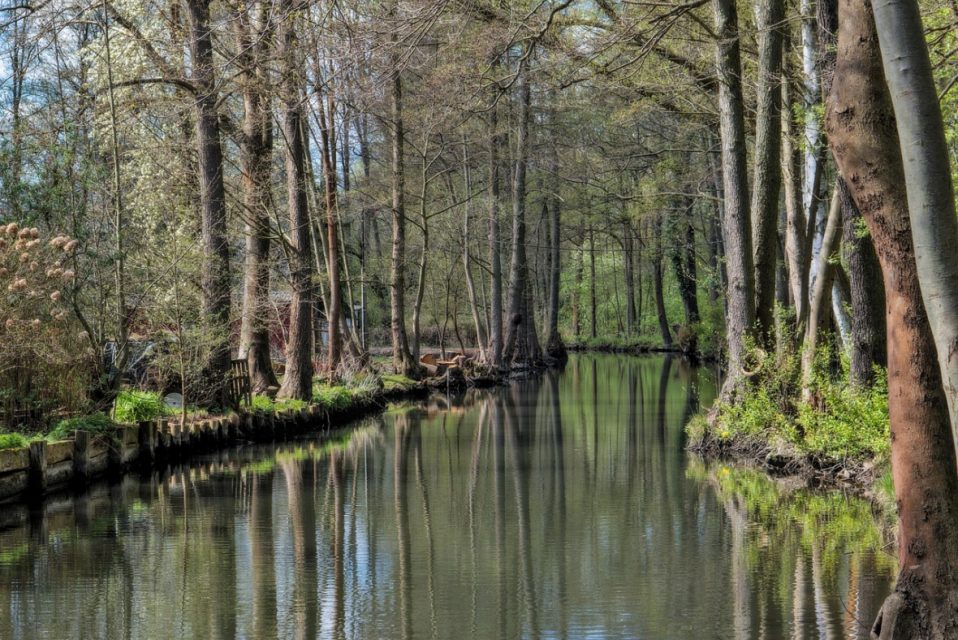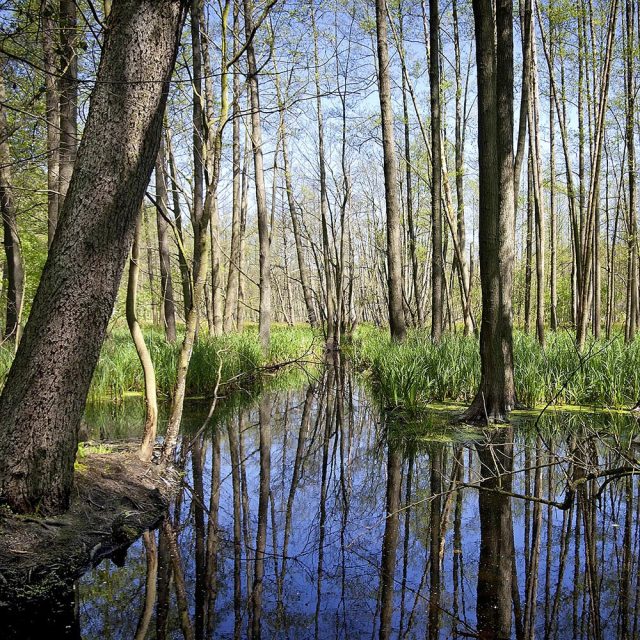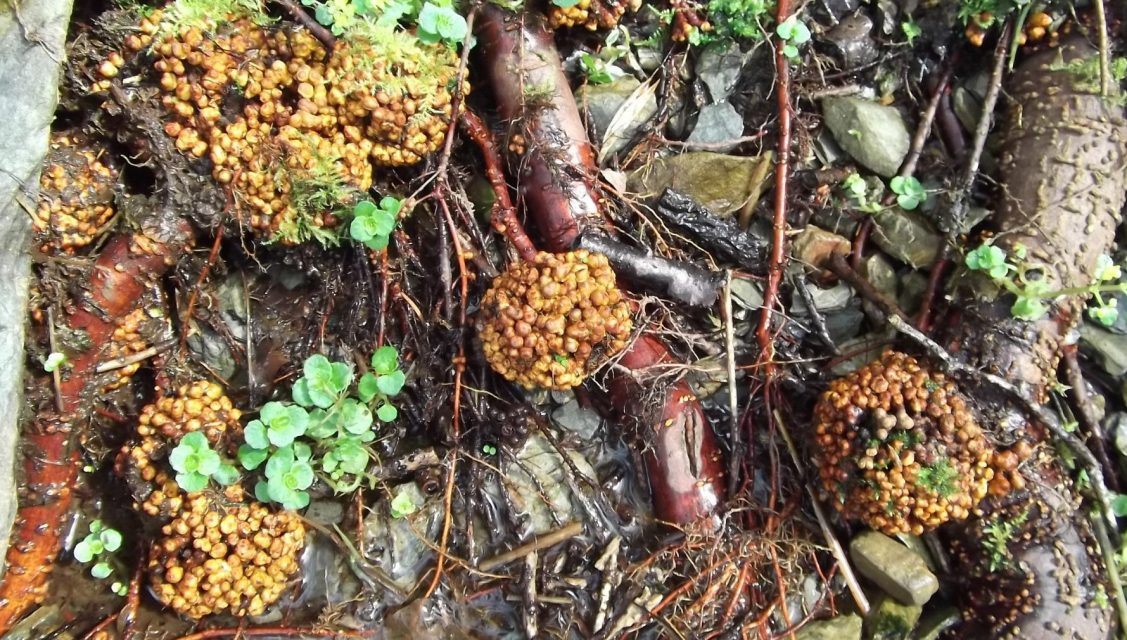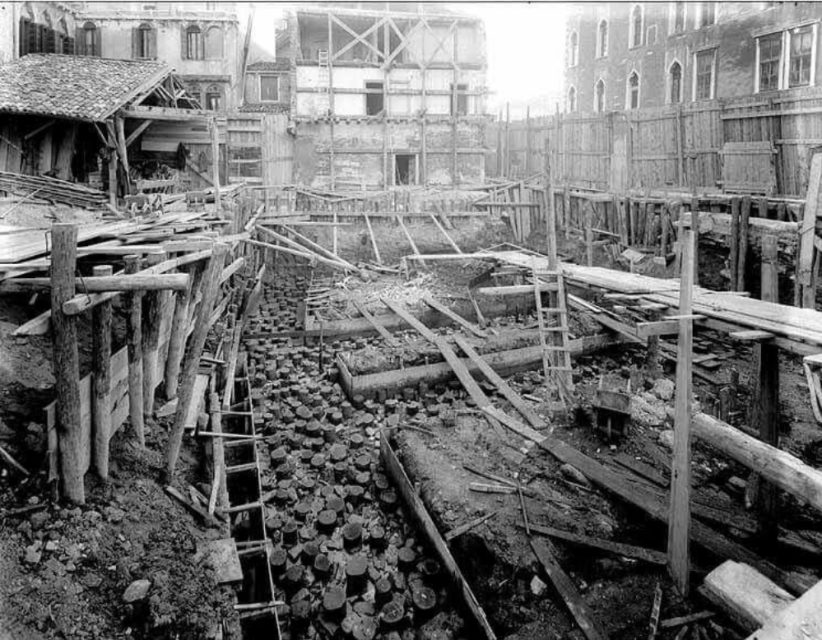
Alder trees grow along rivers and marshes. A symbiotic bacterium, Frankia alni, lives on their roots, binding nitrogen from the air and allowing them to thrive in nutrient-poor soils. Rather than being emblematic or monumental, they are working trees.
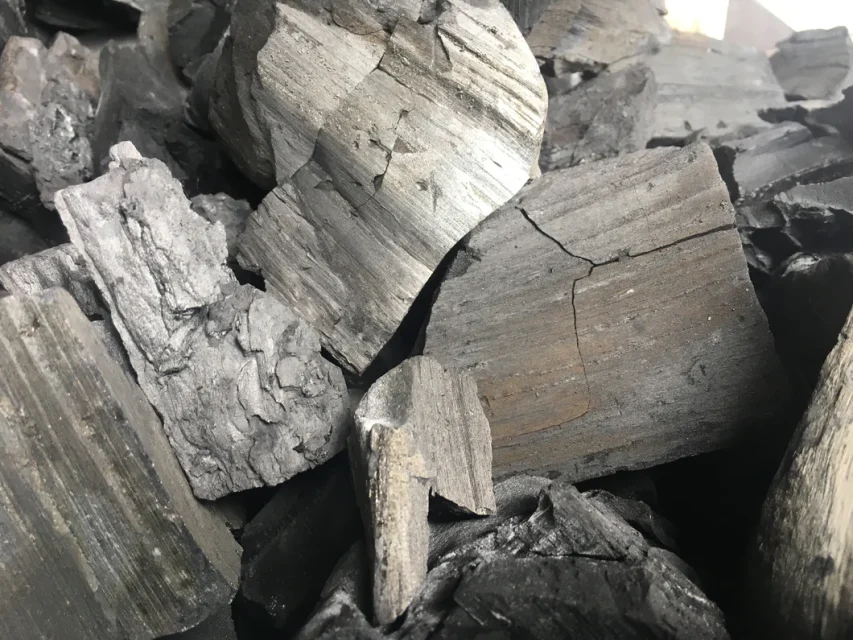
Although technically a hardwood, alder wood is rather soft, light, and evenly grained. Its lack of resin pockets and knots makes it ideal for conversion into charcoal, which has long been its principal product. Alder charcoal burns hot and evenly, produces little ash, and maintains its structural integrity well.
Growing near rivers also means that logs can be transported efficiently and kilns placed with little risk of fire spreading. Water nearby is essential for quenching the process.
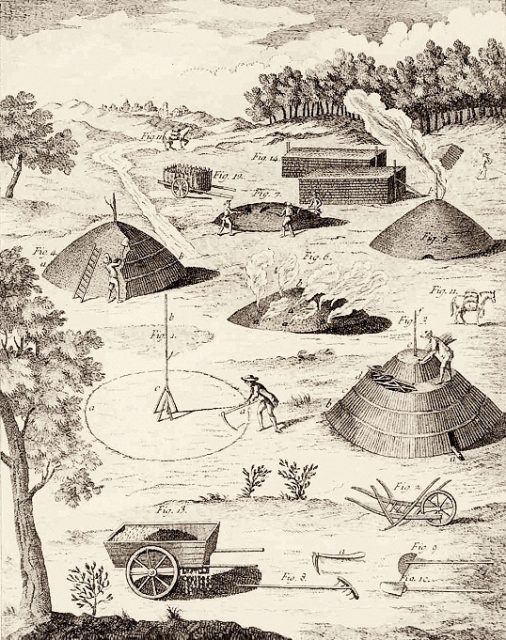
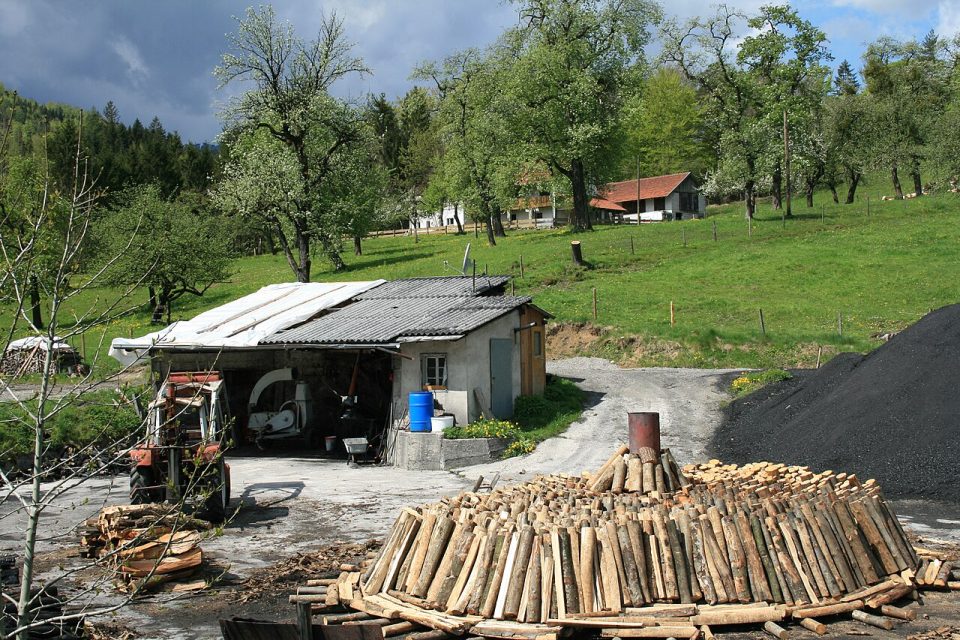
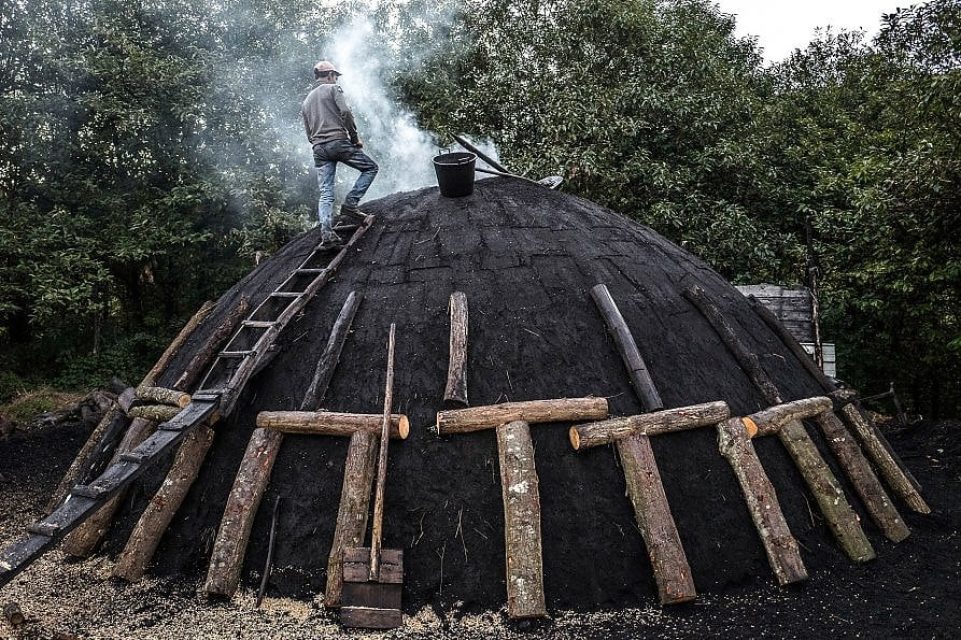
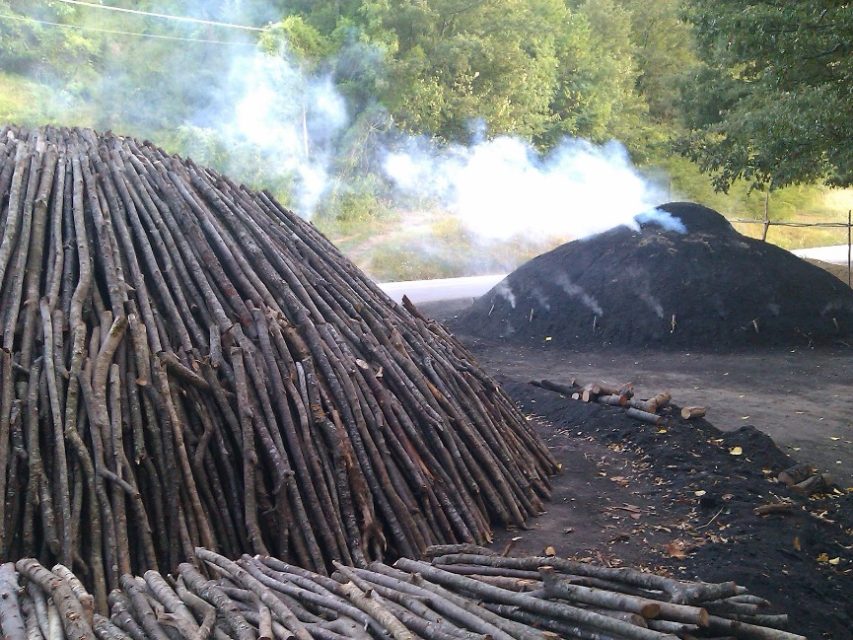
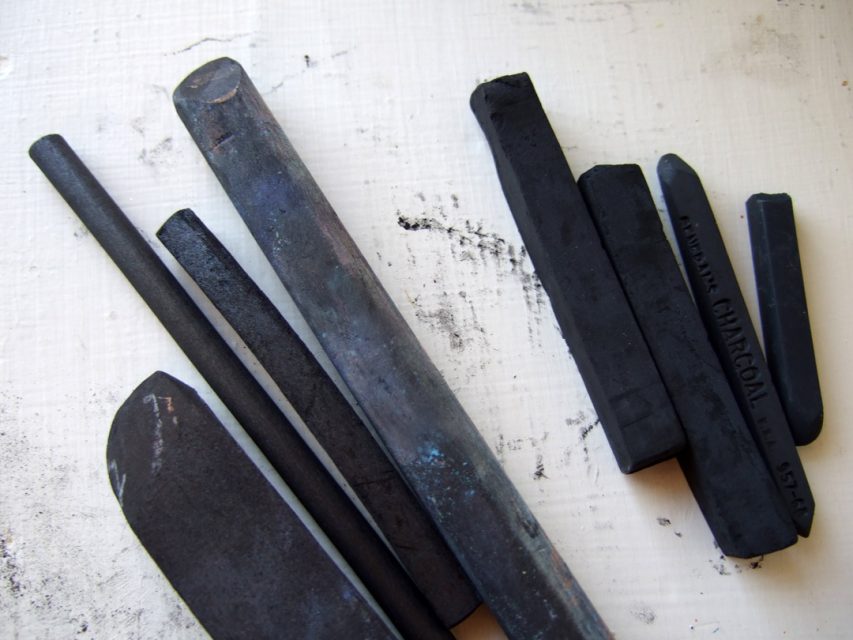
Charcoal is made by heating wood in a low-oxygen environment. The wood is stacked into a mound and covered with earth, turf, or clay to limit air intake. A small fire is then lit inside and carefully controlled over days or even weeks. This process drives out water and volatile compounds, leaving behind the cellular framework of the wood, composed mostly of carbon.
The resulting charcoal can be imagined as restrained and disciplined fire. It is lighter than wood, more porous, and able to burn hotter and more evenly while emitting almost no smoke at all. The energy of years of growth is compressed into a material that can be released quickly and intensely.
In furnaces, the use of charcoal instead of wood made it possible to extract iron from ore in a controlled and repeatable way by sustaining the high temperatures required. Because iron ore is more readily available than the metals, tools and weapons could be produced almost anywhere, on a reliable and large scale, without dependence on rare trade networks.
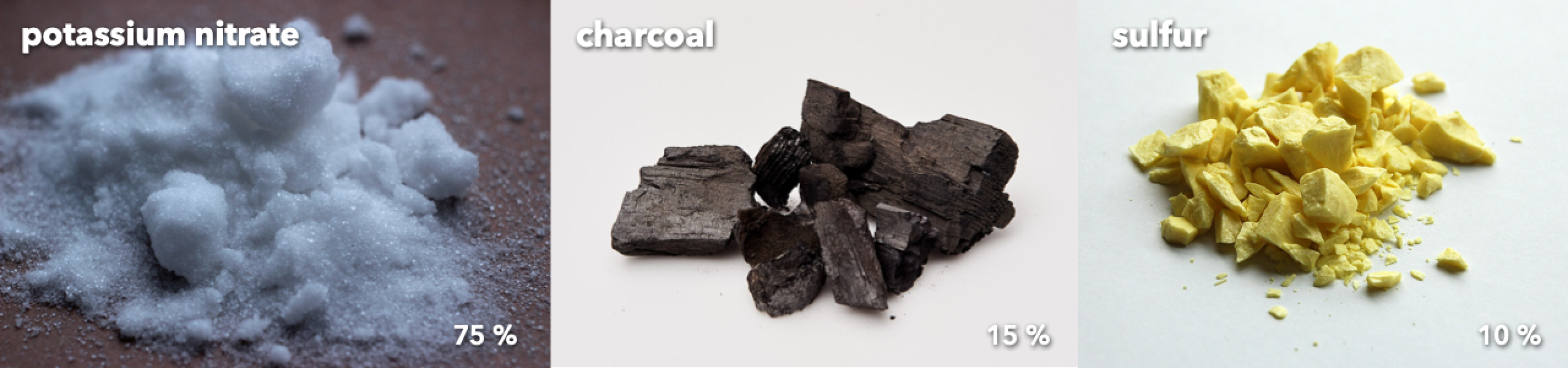
As alder charcoal is light and even, it can be ground easily. Charcoal is one of the three components of gunpowder, alongside saltpeter and sulfur. Alders, charcoal burning, and the rediscovery of gunpowder play a vivid role in Riddley Walker, where the recipe appears in verse form:
Seed of the littl
Seed of the wyld
Seed of the berning is
hart of the chyld
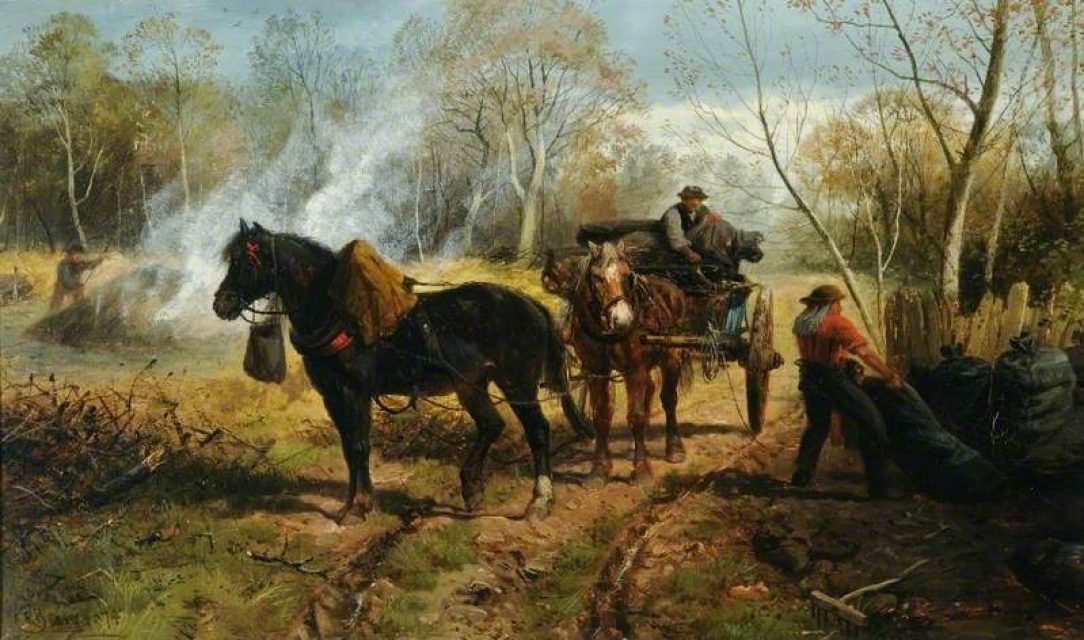
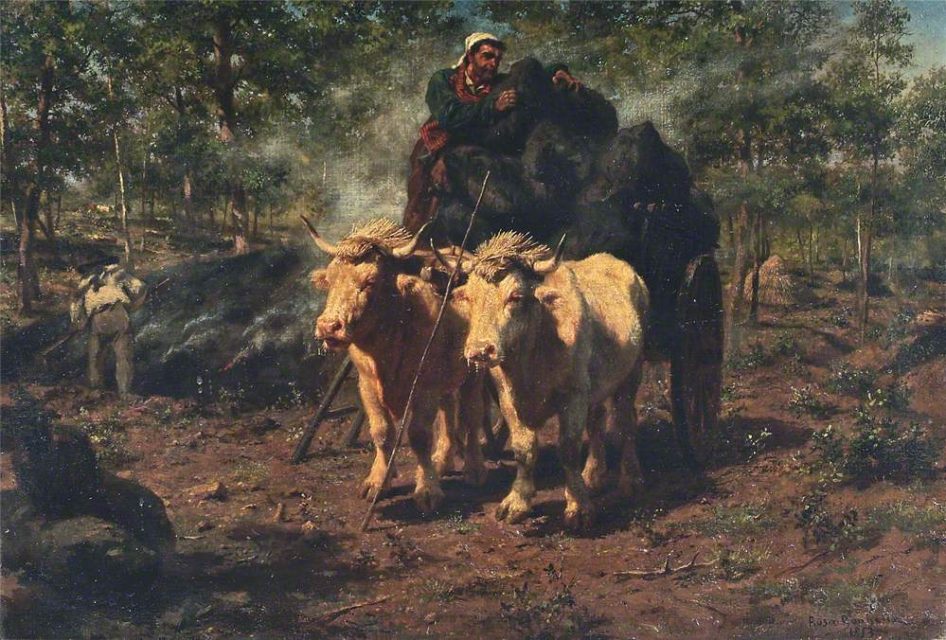
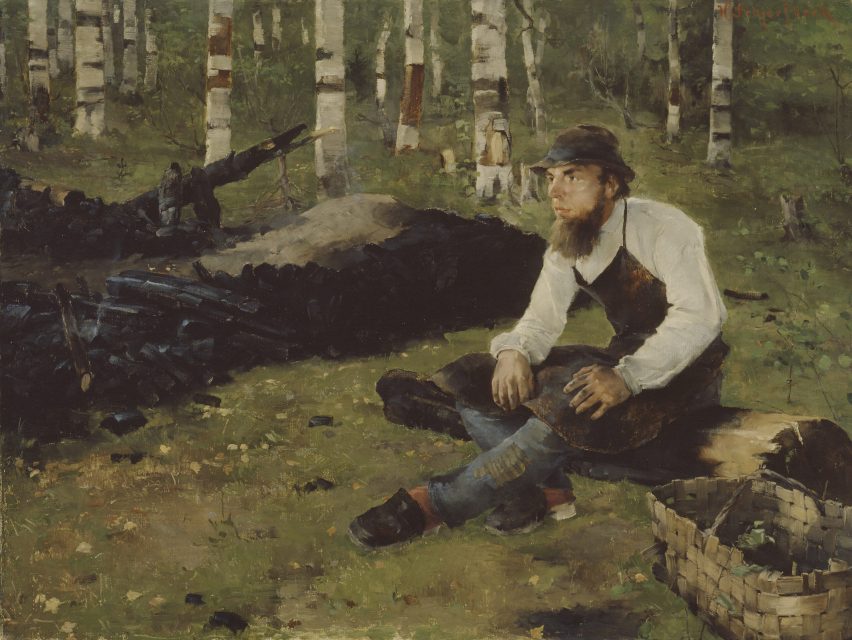
Charcoal burning was regarded as dishonorable work during the Middle Ages, and charcoal burners occupied a marginal position, often accused of evil practices. They were necessary and tolerated, but kept at a distance. Their work required mobility, as they followed alder stands and set up their heart-shaped kilns nearby.
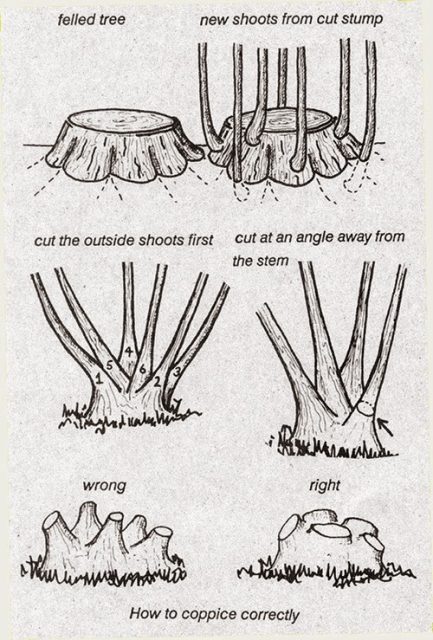
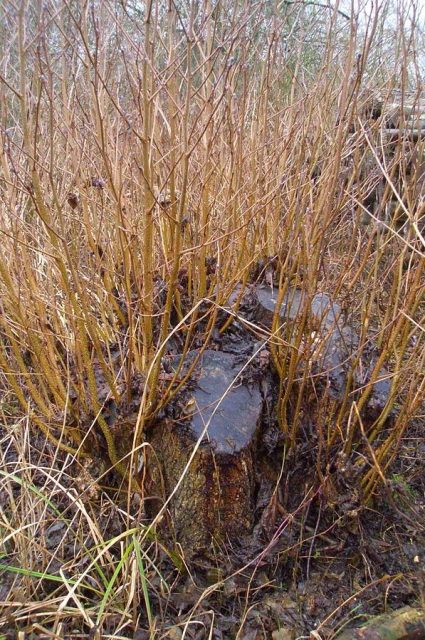
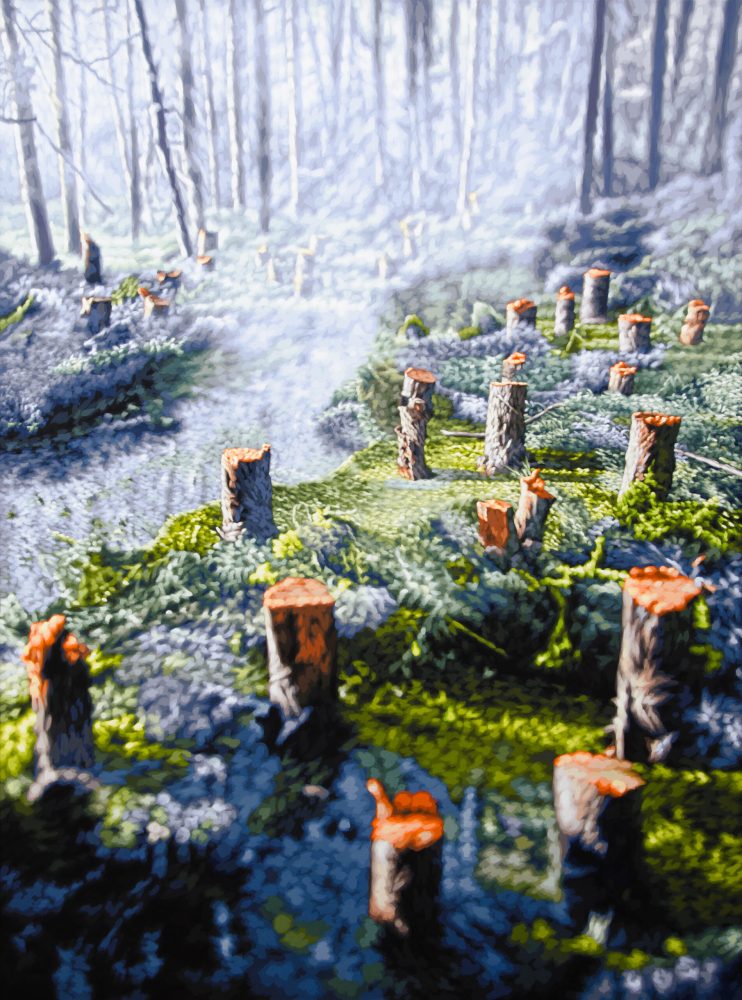
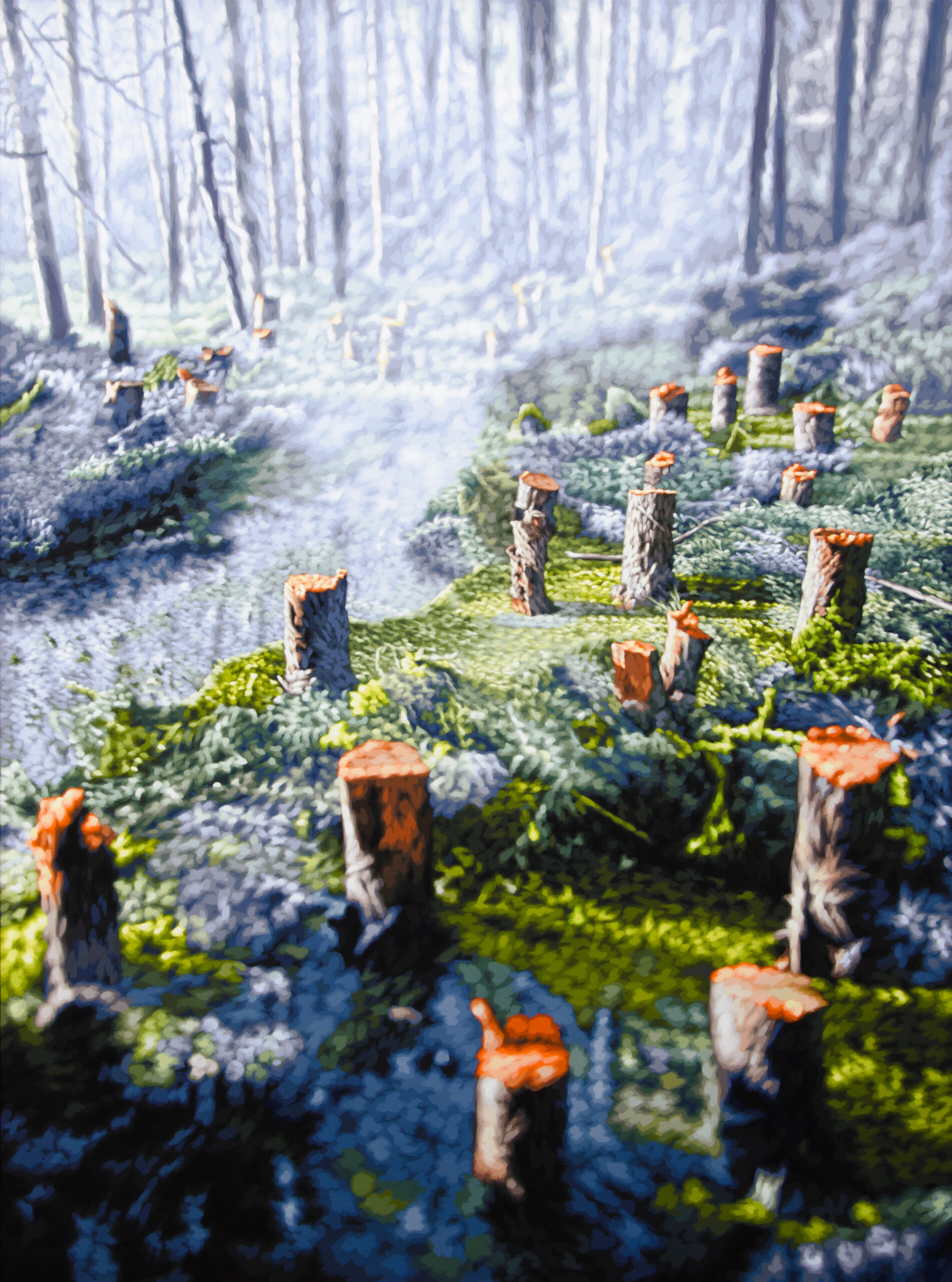
Alder can be coppiced. When felled close to the ground, new trunks soon shoot from the stump, allowing repeated harvesting from the same site. Charcoal burners therefore returned to fixed places on cycles of roughly six to ten years.
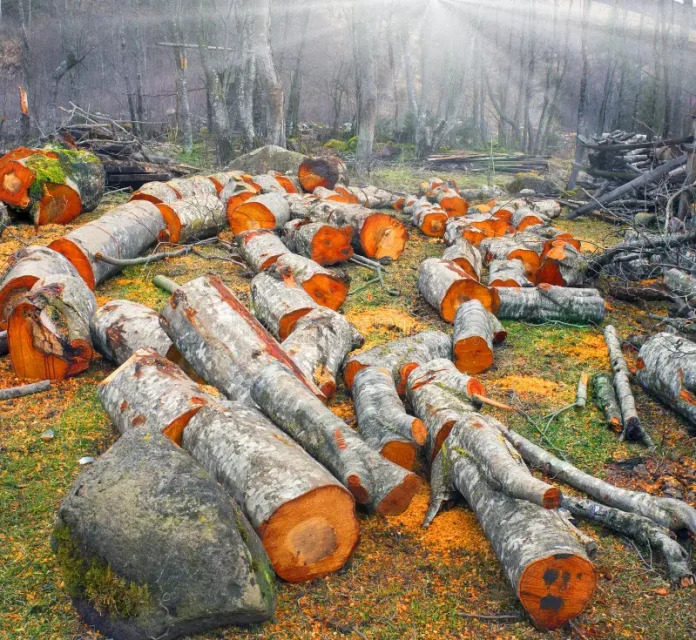
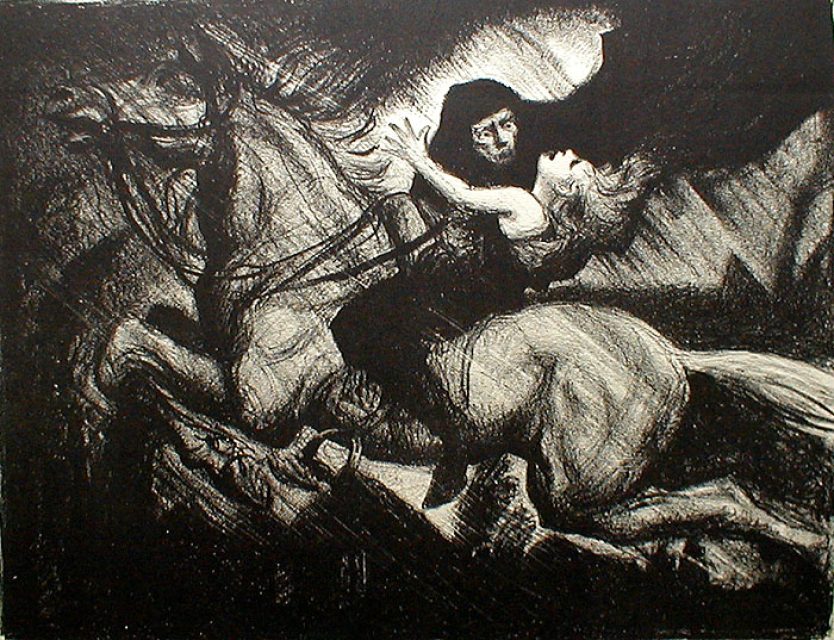
When freshly cut, alder wood turns a vivid red before fading to pink, a reaction that has long connected the tree to associations with the human body and blood. In the same uneasy register, the alder is also bound to the figure of the Erlking in Der Erlkönig, the famous ballad by Johann Wolfgang von Goethe, where a presence tied to the forest addresses the child directly while remaining imperceptible to the father, and ultimately causes the child’s death.