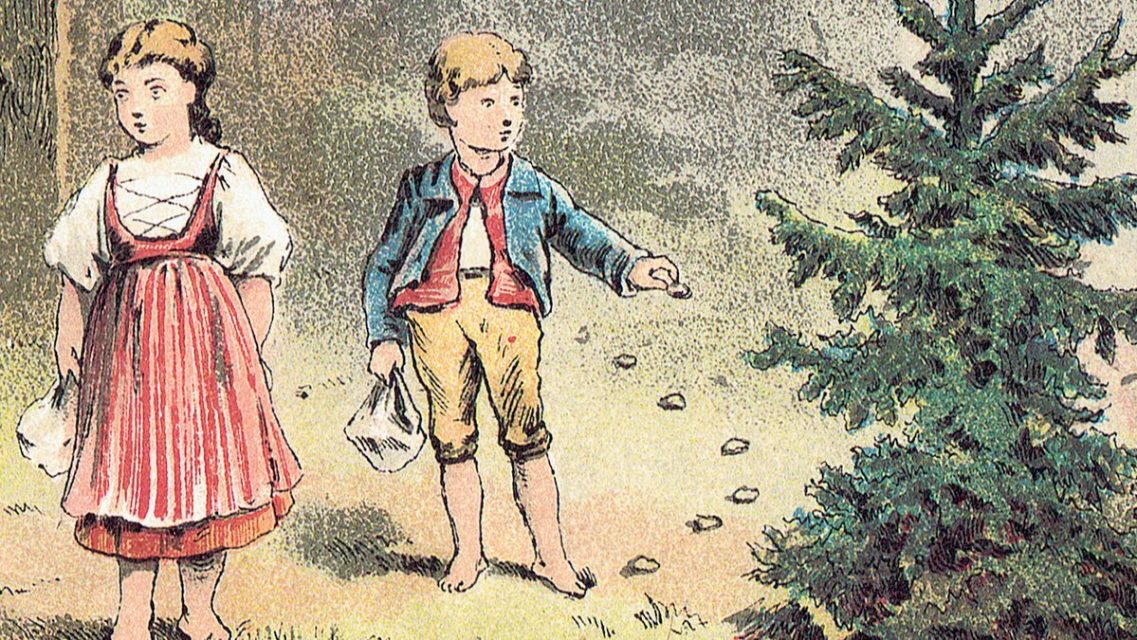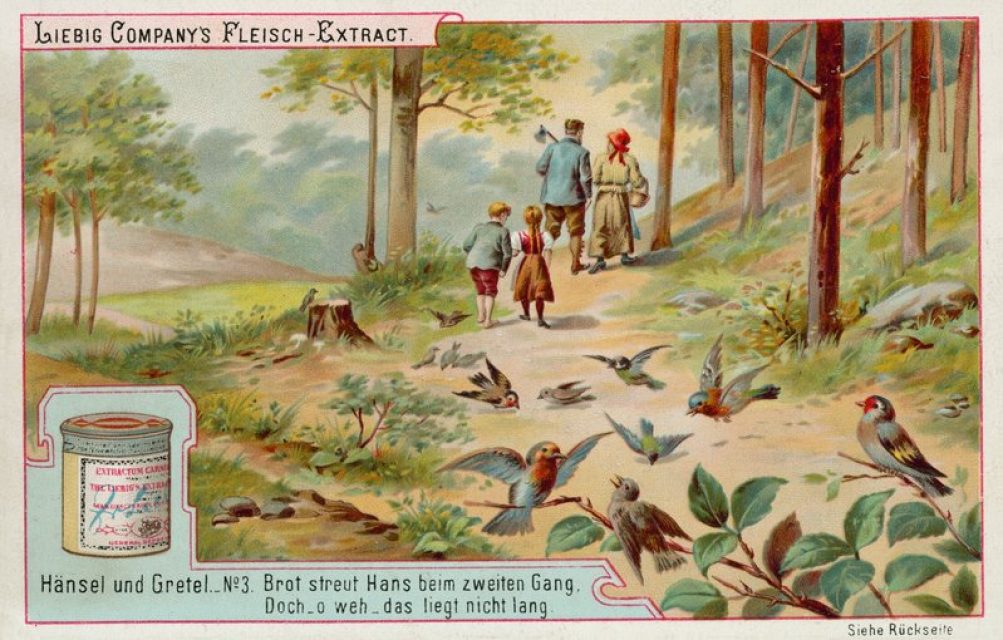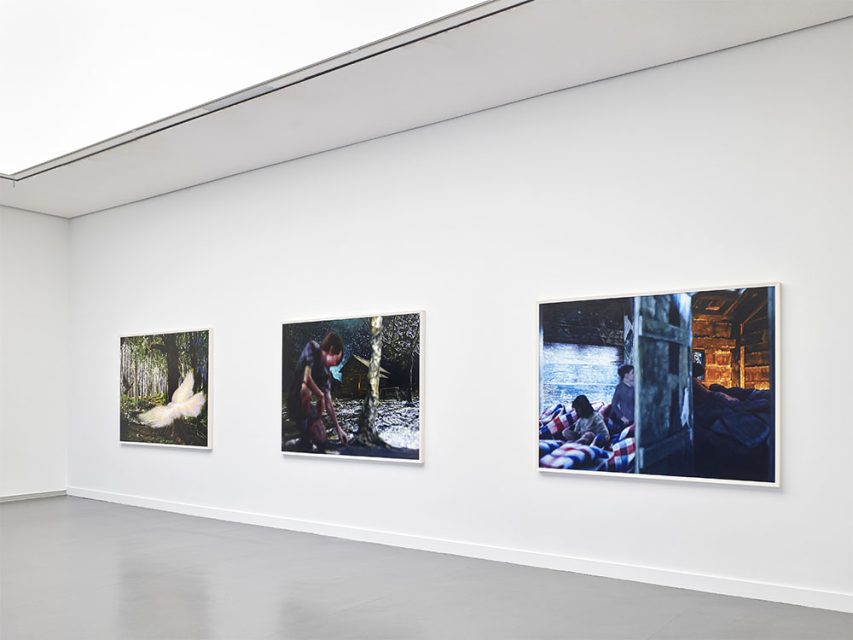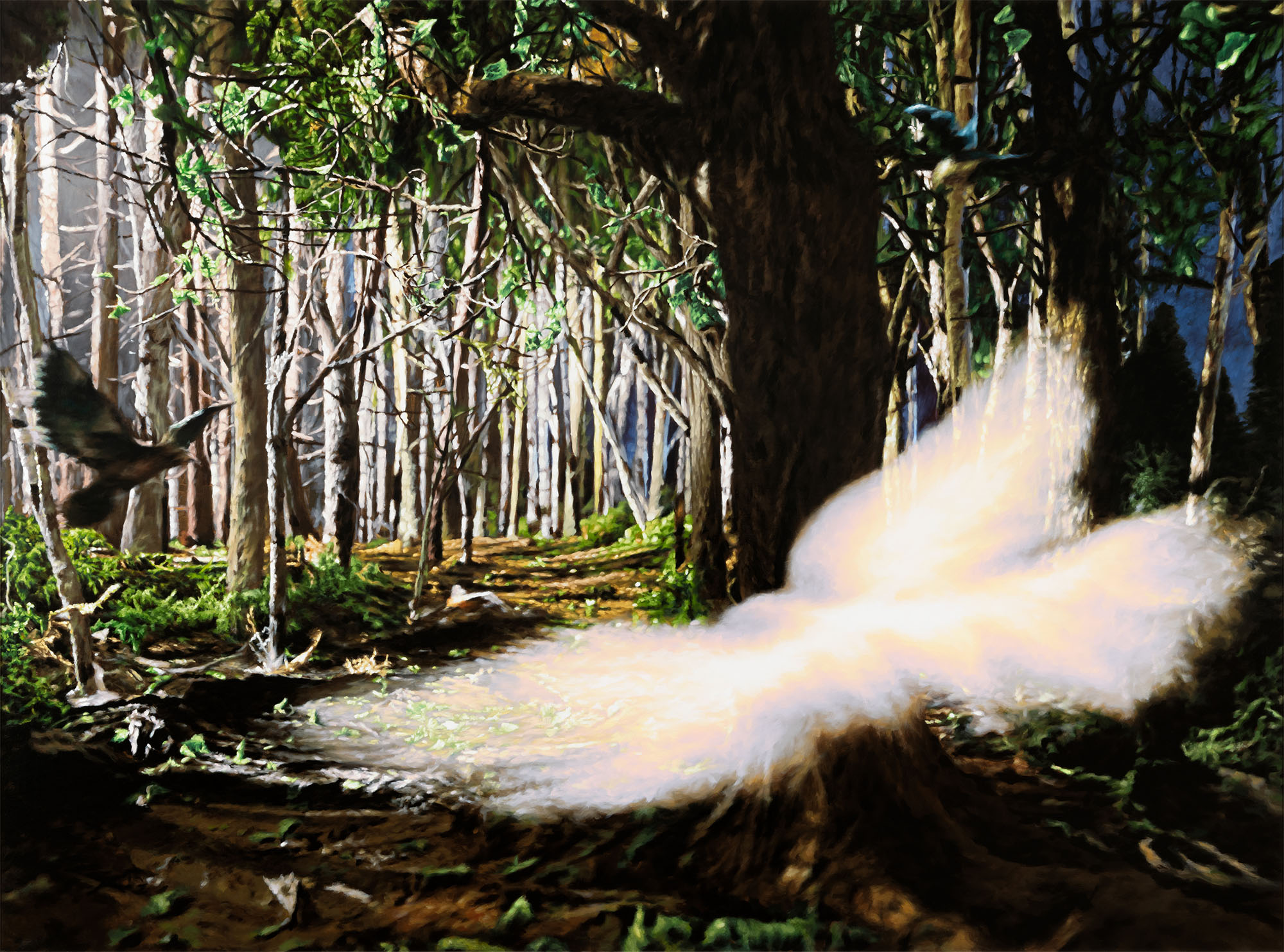
“It was dark at night when they awoke, and Hänsel comforted Gretel and said: ‘Wait, when the moon comes up I will be able to see the crumbs of bread that I scattered, and they will show us the way back home.’
When the moon appeared they got up, but they could not find any crumbs, for the many thousands of birds that fly about in the woods and in the fields had pecked them up.”
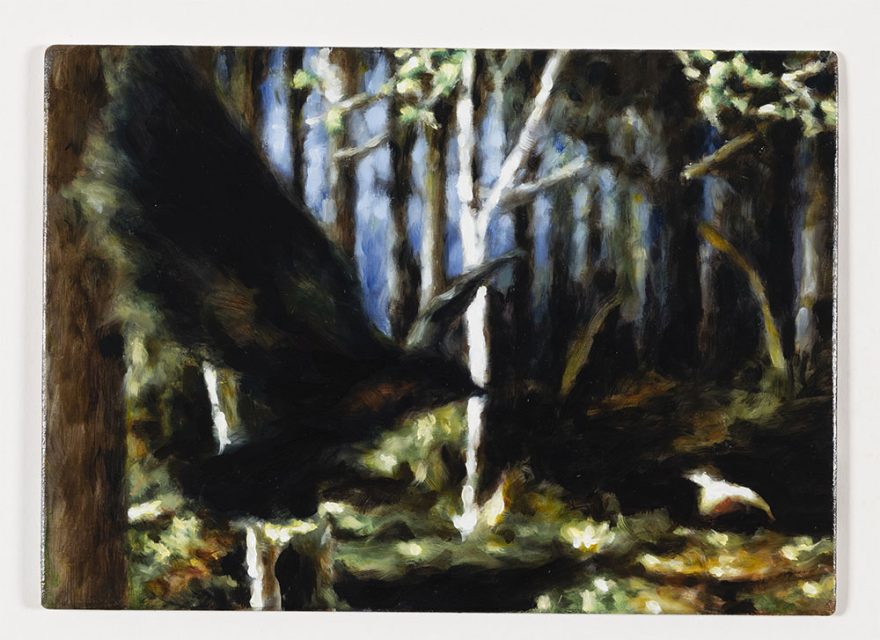
The image that initially drew me into Hänsel and Gretel was this one: the way back out being erased by the birds of the forest.
It is strange, because fairy tales tend to be about bravery and trial, but in Hänsel and Gretel it is the intention of return, not discovery, that sets the stage. First the white pebbles, and later the breadcrumbs, act as an insurance against the adventure itself. It has always struck me as odd that the children aim to return to their parents, who have already decided to abandon them.
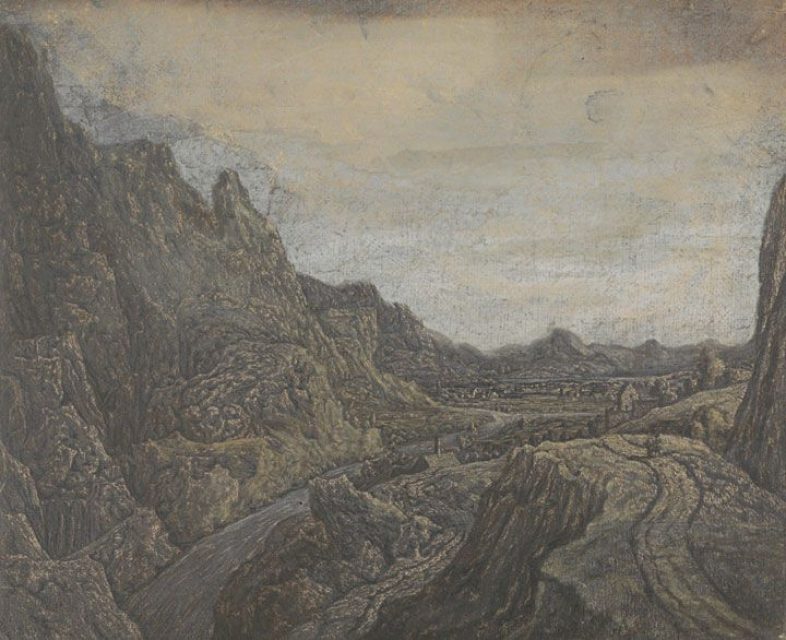
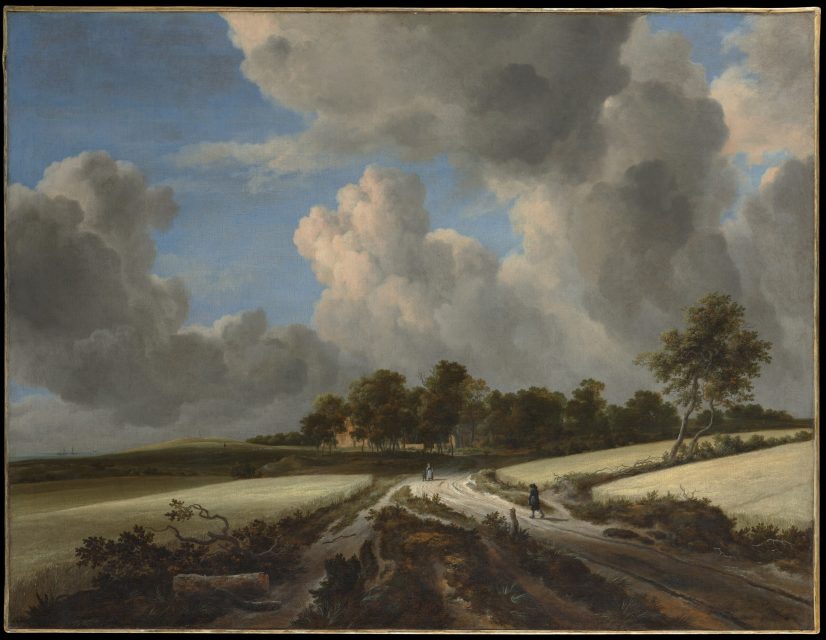
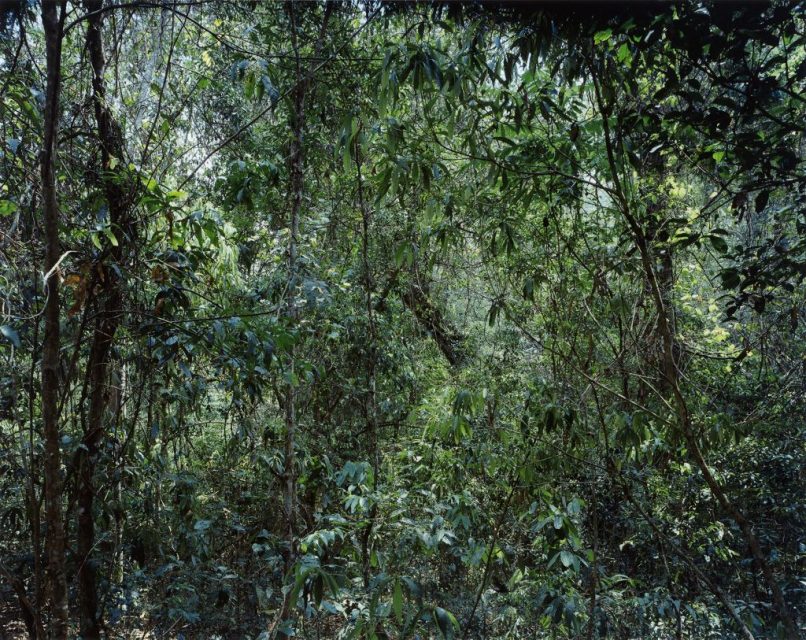
The forest is an interesting place in Hänsel and Gretel. The parents can navigate it with ease, and the family makes its scarce living from felling the wood. At the same time, they are fully aware that the children are incapable of finding their way back once abandoned. The forest does not appear as a place filled with wild beasts or constant danger. There is a witch living in it, but she inhabits a distorted children’s fantasy of a caring home, an oasis within the forest itself. Apart from that, the danger lies in the labyrinthine structure of the forest and in the children’s inability to navigate it or to live from what it offers. The only real threat comes from the innocent birds that pick up the breadcrumbs.
Digital breadcrumbs work in largely the same way, not for discovery, but as a means of return. They exist to allow undoing and work your way back. One crucial difference between fairy tale breadcrumbs and digital breadcrumbs is their utopian nature. Digital breadcrumbs are closer to the white pebbles Hänsel scatters during the parents’ first attempt at abandonment. They cannot be consumed and promise a reliable way back. But perhaps reversibility is simply a fiction we tell ourselves in order to proceed, much like in Robert Frost’s poem The Road Not Taken:
And both that morning equally lay
In leaves no step had trodden black.
Oh, I kept the first for another day!
Yet knowing how way leads on to way,
I doubted if I should ever come back.