Dog World

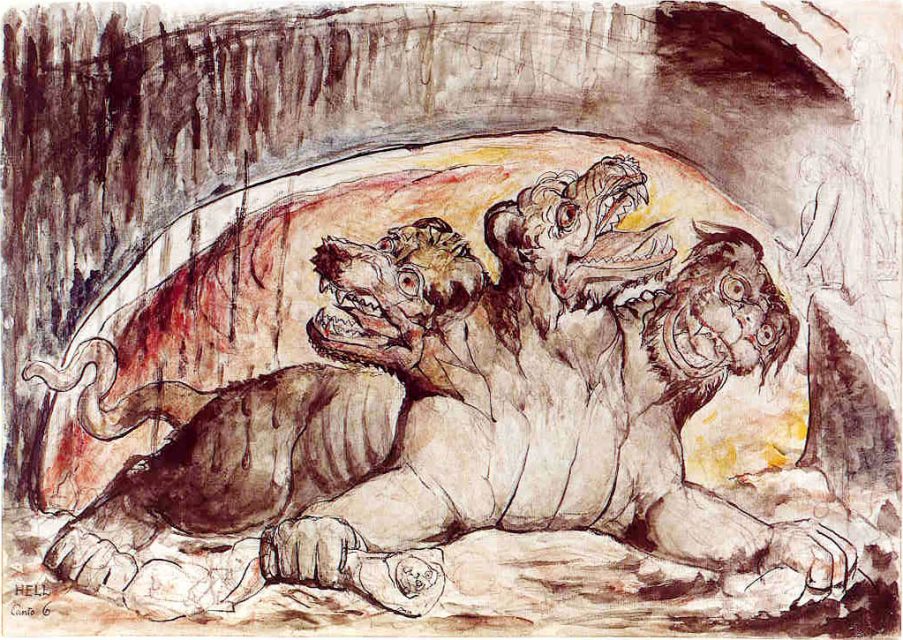
In Greek mythology the three headed dog Cerberus stands at the threshold of the underworld. He keeps the living from entering and the dead from leaving. Nothing crosses his line. Cerberus has always struck me as a very human fantasy, like a 360-degree camera mounted on a pole, scanning for whatever escapes our field of view. We rely on sight to make sense of the world, and anything that happens outside it becomes a source of unease.

When I was a teenager, we used to have a dog who buried his stuff all around the garden and then forgot about it. Sometimes it found the things again after months or even years and dragged them into the house. Zombified squishy toys, moldy strips of buffalo skin, whatever had survived underground.

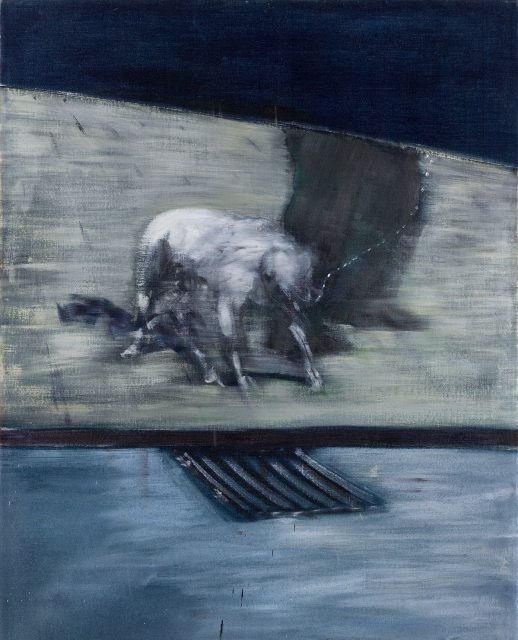
I’ve always been fond of Francis Bacon’s Man with Dog. The man is only present as a dark silhouette of legs, moving across the surface. For him the ground is a border, something to stay on top of. Whatever continues beneath it stays out of reach. The rest is the dog world. The dog is absorbed in it. The ground makes sense to it in ways we do not perceive.
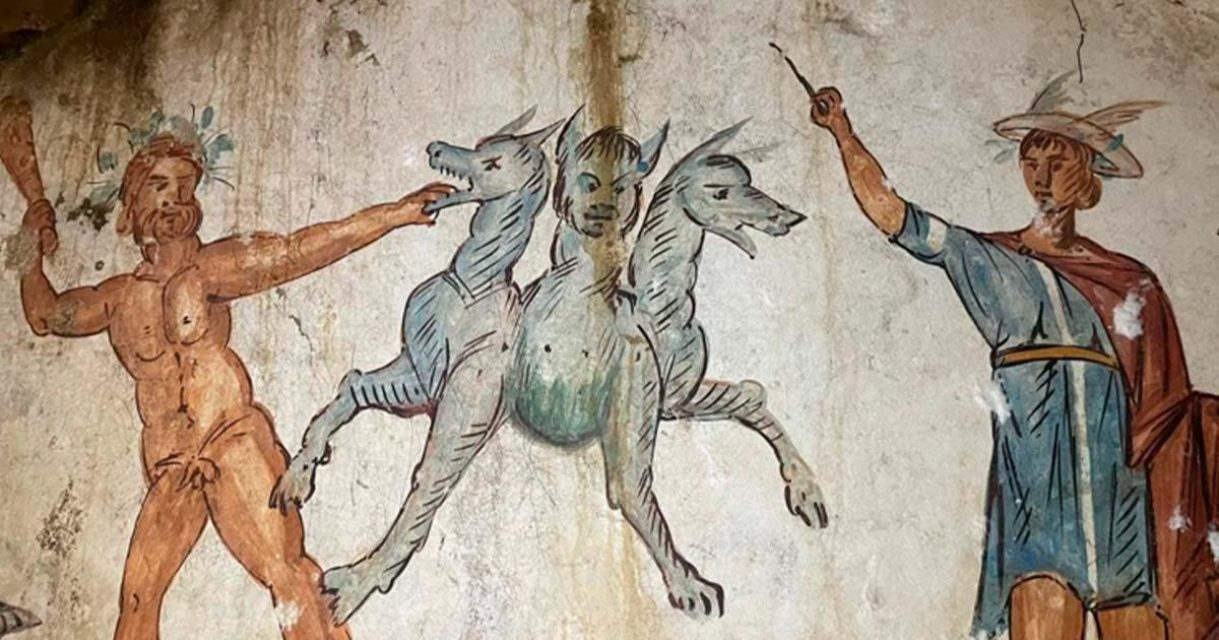
The recently uncovered Cerberus fresco from the so-called “Tomb of Cerberus” in Giugliano, Italy, dating to about 2,000 years ago.
Rubens, Hercules and Cerberus (oil sketch), 1639.
William Blake, Cerberus, c. 1824–1827. Watercolor illustration for Dante’s Inferno, Canto VI.
Francis Bacon, Man with Dog, 1953. Oil on canvas.
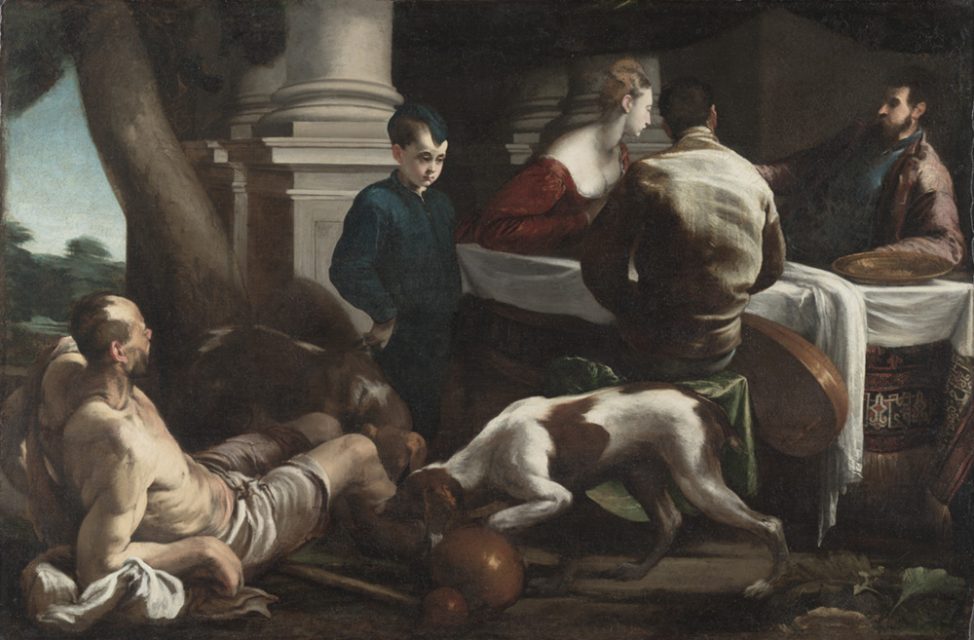
Jacopo Bassano, The Raising of Lazarus, c. 1555–60, with a dog sniffing the revived.
Jacopo Bassano, The Raising of Lazarus, c. 1555–60, dogs are sniffing the recently revived.
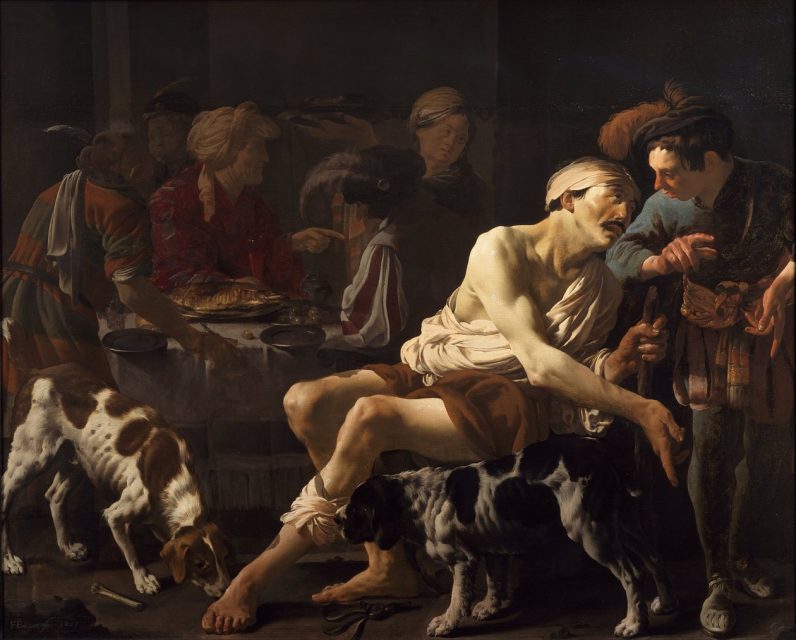
Hendrick ter Brugghen, The Raising of Lazarus, c. 1619–1620, with a dog moving toward the revived.
The same scene by Hendrick ter Brugghen
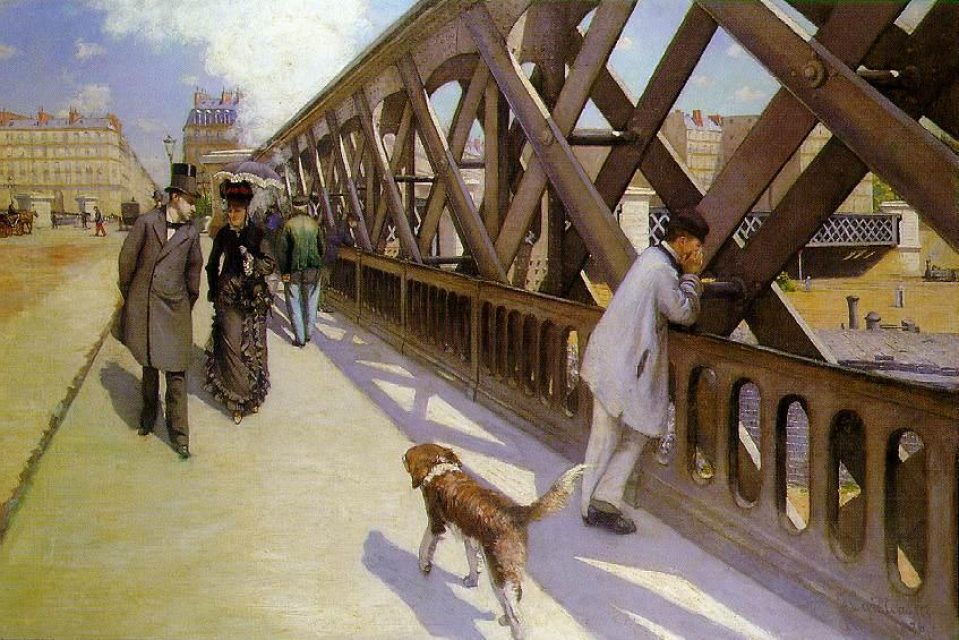
Gustave Caillebotte, Le Pont de l’Europe, 1876, with a dog going about its business across the bridge.
Henri de Toulouse-Lautrec, The Dog (Bouboule), 1894.
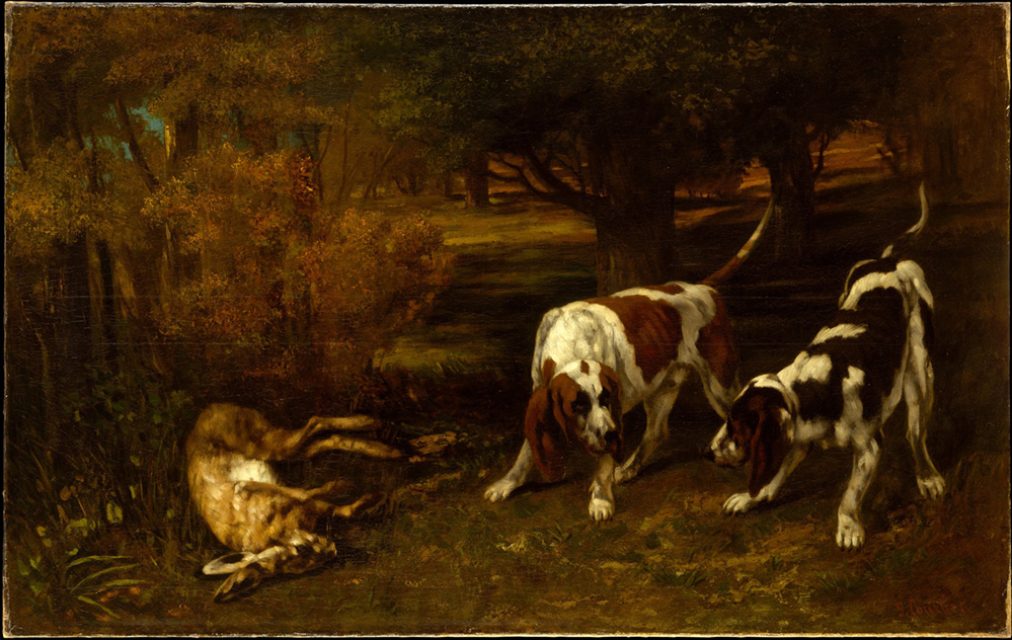
Gustave Courbet, Dogs with a Dead Hare, c. 1866.
Giorgio de Chirico (1888–1978) Dog in Landscape (Cane nel paesaggio) c. 1920s
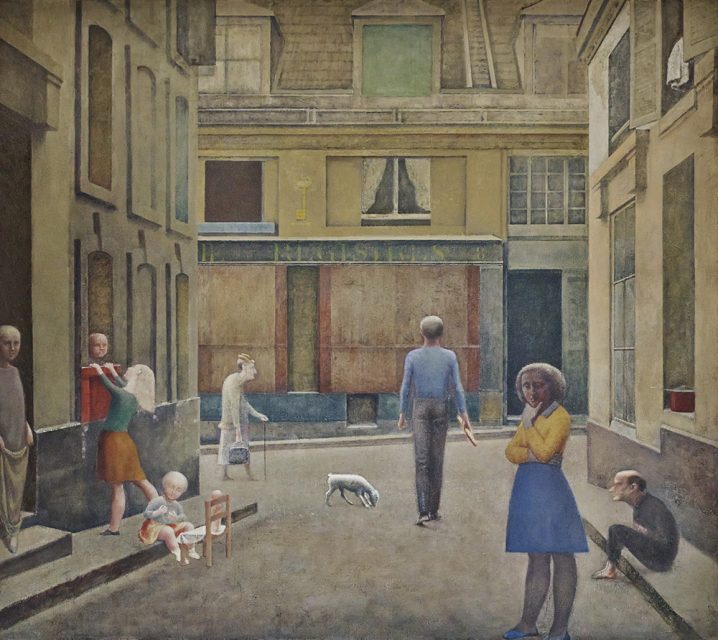
Balthus, Passage du Commerce–Saint-André, 1952–54.
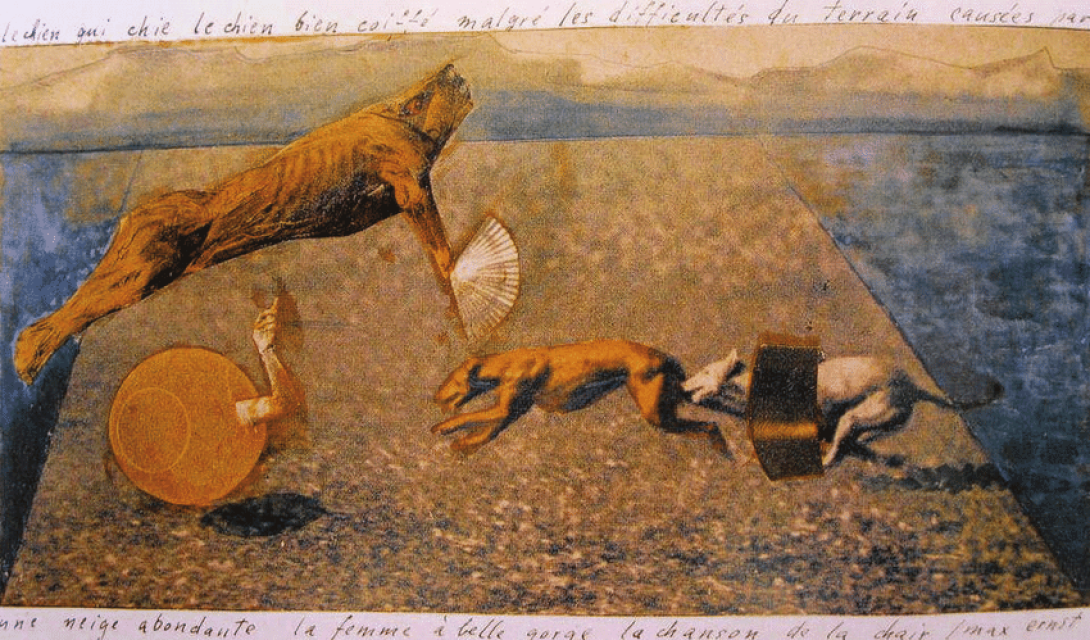
Max Ernst, The dog that shits, the well-groomed dog despite the heavy snow, the woman with the beautiful bosom, the song of flesh, 1920.
Dorothea Tanning, Tableau Vivant, 1954.
Pierre Bonnard, Two Dogs in a Deserted Street, c. 1894.
Andrew Wyeth, Ides of March, 1974.
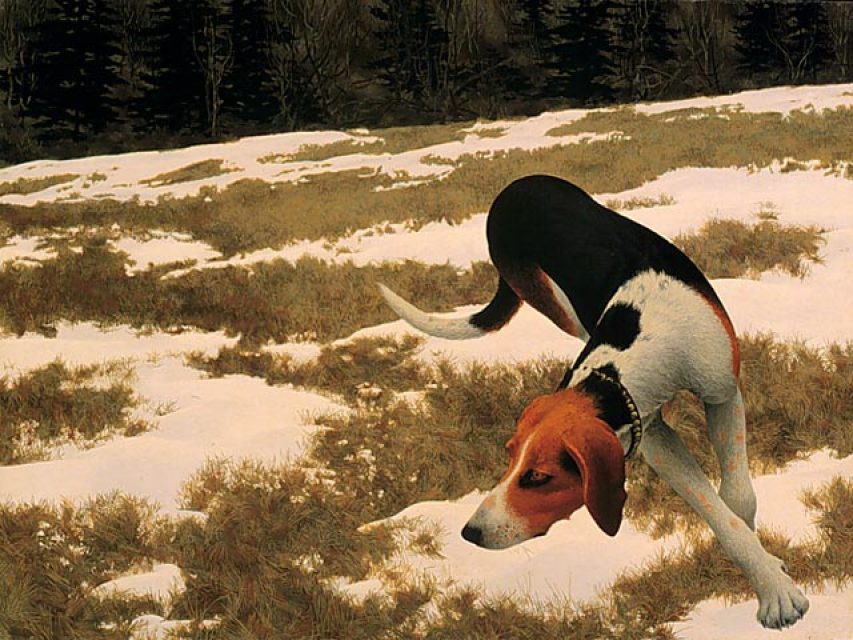
Alex Colville, Hound in Field, 1958.
Daido Moriyama, Stray Dog, Misawa, 1971.
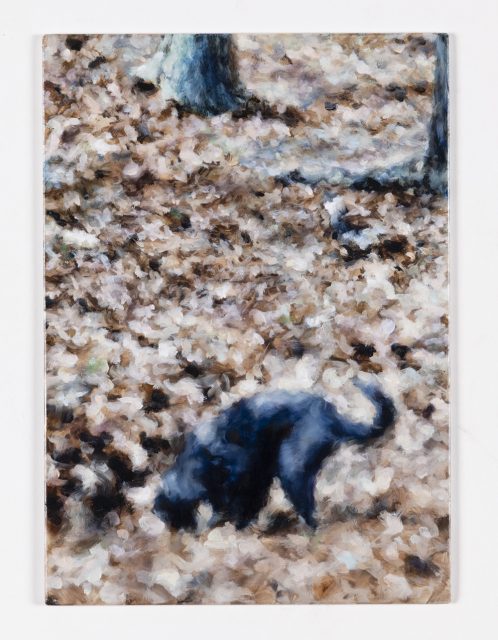
Philipp Fröhlich oil sketch The Grubbing IV, 2021. Oil on panel, 27.5 × 19.5 cm
My oil sketch The Grubbing IV, 2021. Oil on panel, 27.5 × 19.5 cm
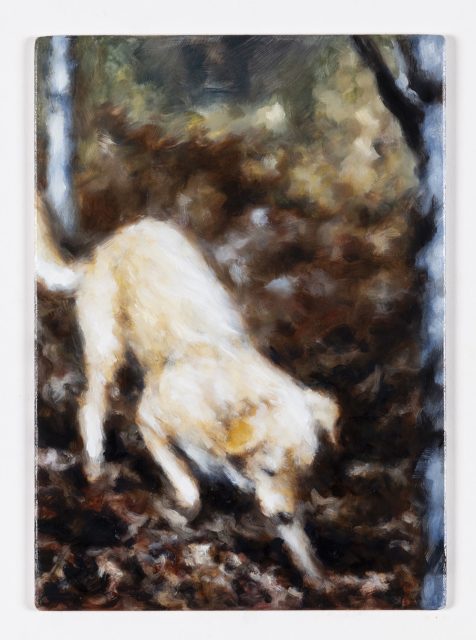
Philipp Fröhlich The Grubbing V, 2021. Oil on panel, 24.5 × 17.5 cm
The Grubbing V, 2021. Oil on panel, 24.5 × 17.5 cm
Painting shown at La Cavale, Galería Juan Silió, Madrid, 2025.
Painting shown at La Cavale, Galería Juan Silió, Madrid, 2025. Photo: Roberto Ruiz
Philipp Fröhlich The_Grubbing (283L), 2020, oil on canvas, 145 x 110 cm
The Grubbing (283L), 2020, oil on canvas, 145 x 110 cm

Sign up to receive a brief update every two weeks when a painting is added.