Easter Morning at the Tomb

Velocity and height have never been my cup of tea, and I am still reluctant to go on anything but the most harmless thrill rides. For as long as I can remember, ghost trains have been my favorite fairground attraction. You are carried along at an even, temperate speed on a fixed track while scenes emerge and disappear, often only very briefly.

These scenes are difficult to grasp. They suggest events through gory or gothic fragments, light, and timing, without ever presenting them fully. Their ridiculous artificiality is a large part of the appeal. Riding a ghost train keeps you in a constant state of anticipation, expecting a jump scare at any moment, while at the same time observing more or less successful attempts at producing a sense of fear.

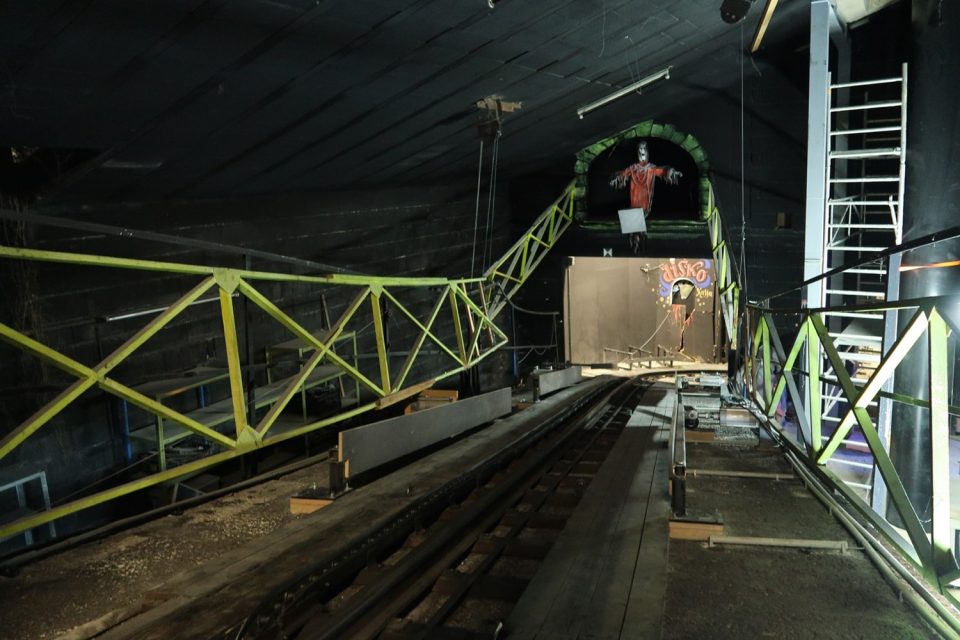
On a classic fairground ghost train, and those are the best, there is often a moment when the train leaves the inner tunnels and briefly crosses an open balcony before returning into the entrails of the ride. The sudden confrontation between the very present reality of the fairground, with its sounds, lights, and smells, and the stripped-down fragments inside, telling an incoherent story, is strangely disorienting.

In this way, a ghost train is not entirely unlike life. We are often faced with multiple realities at once. Rarely are we present at the moment something actually unfolds. Usually, the decisive moment has already passed, and what we encounter are fragments, accounts, and aftermaths. Much of what we know, in everyday life as well as in fields such as the judicial system and history, is based on this condition.

Conclusions still have to be drawn.

As I write this, it is Easter week. This morning, I was listening to the St John Passion by Johann Sebastian Bach. It ends with Christ’s body being laid to rest in a tomb in a garden, the stone rolled in front and sealed.

Arriving early on Sunday morning, Mary Magdalene finds the stone removed from the entrance. The tomb is open, the body gone. What remains are the linens, marking the place where the body had lain.

The man outside she mistakes for the gardener.

Confusion reigns. The event itself was not seen. What is encountered is its consequence. Everything is visible, but nothing explains itself.

Dic nobis Maria,
quid vidisti in via?
Sepulcrum Christi viventis.

Tell us, Mary,
what did you see on your way?
The tomb of the living Christ.

(from the Easter sequence Victimae paschali laudes)
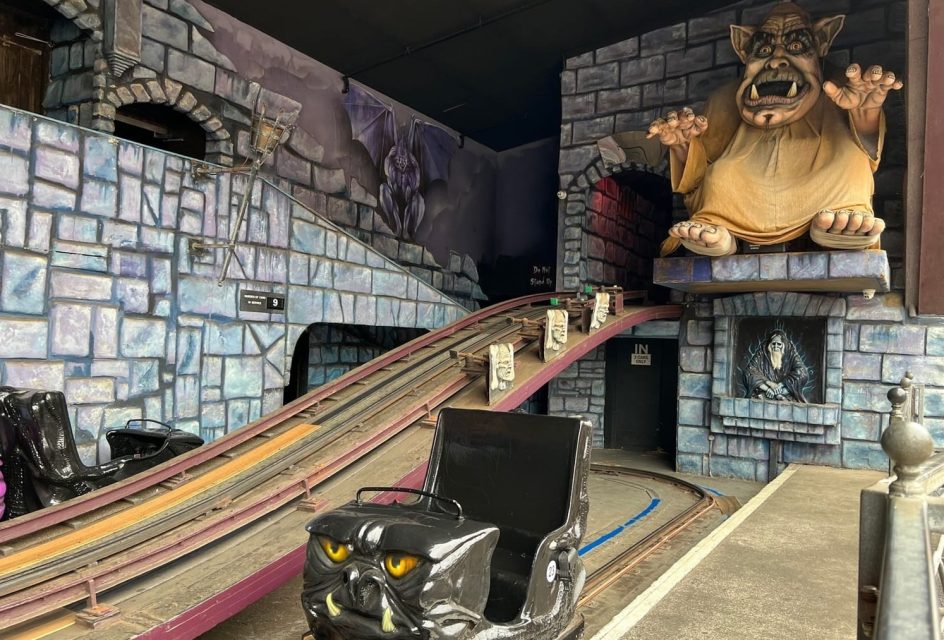
The Ghost Train at Blackpool Pleasure Beach, Blackpool, dating from 1930, is considered the oldest. It is still in use today.
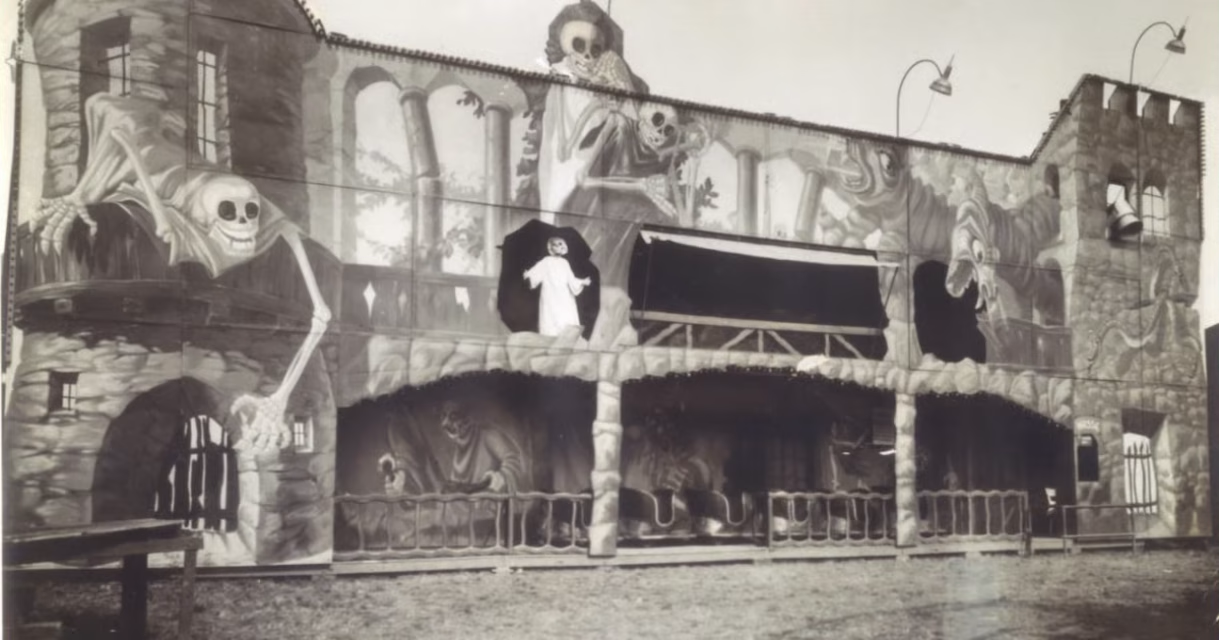
The original ghost train at the Wiener Prater dates from 1933, was destroyed during the war, and rebuilt in 1955.
The oldest mobile ghost train, the “Original Wiener Prater Geisterbahn” in Basel, dates from 1935 and still travels from fairground to fairground.
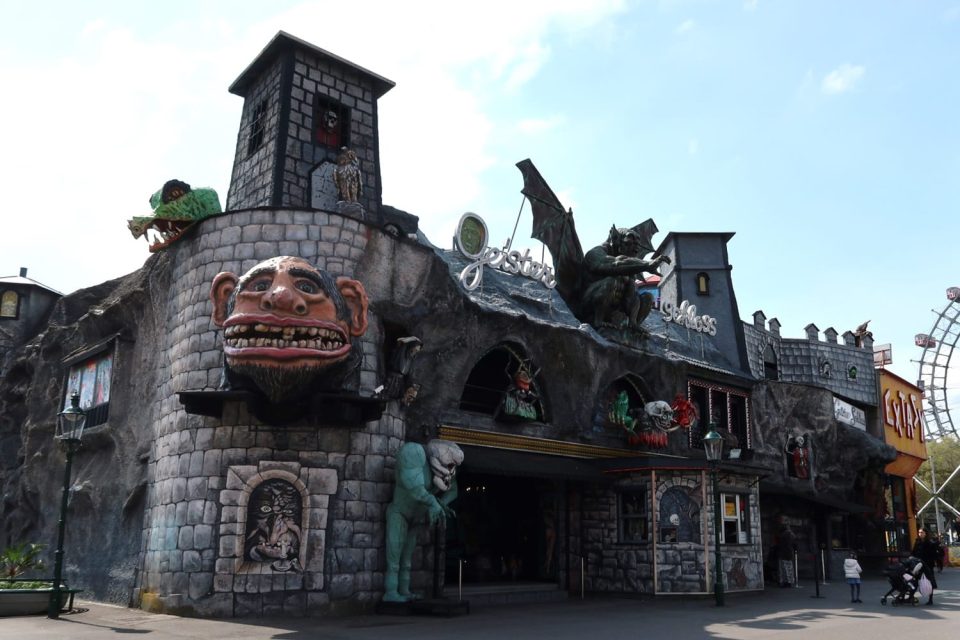
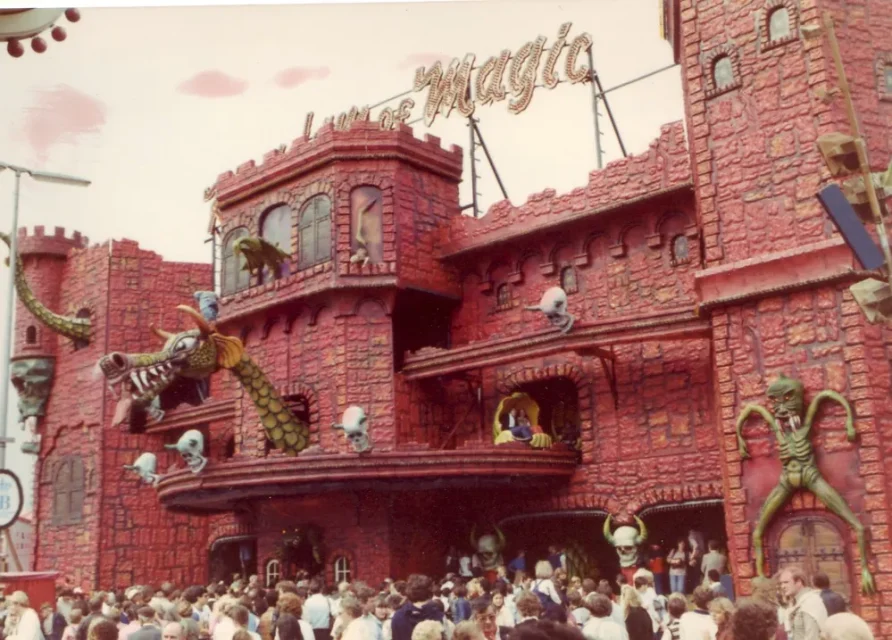
Some rides transform in unexpected ways. This one began its existence as Kingdom of Magic in 1979
In 1983 it was transformed into Geisterschlucht [Ghost Gorge].
In 1993 it was sold and reshaped into Die Grüne Hölle [The Green Hell].
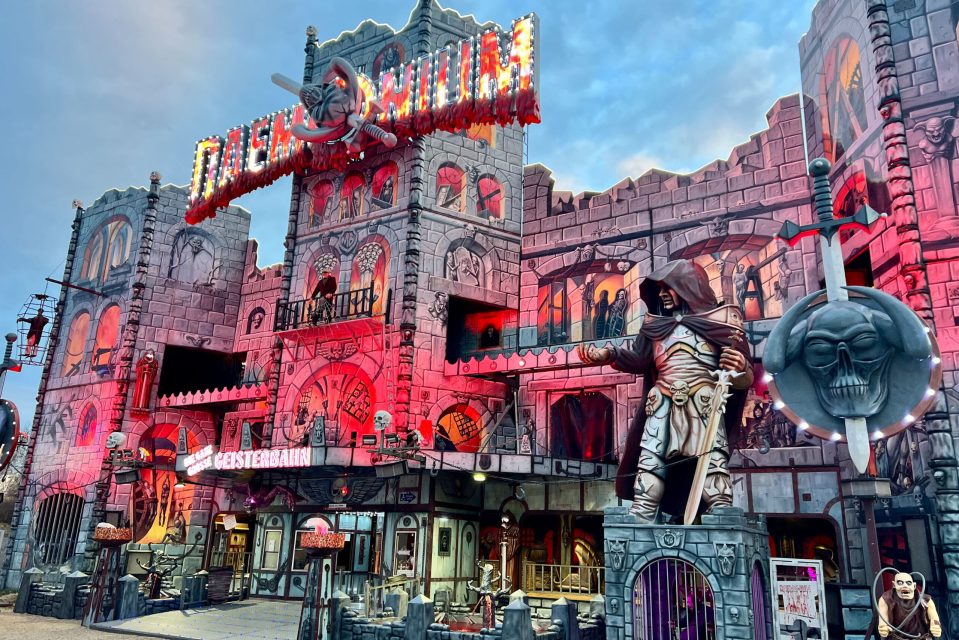
After further transformations, it reached its current state in 2005 as Daemonium.
While the exteriors are often elaborate, the interior can be crude.
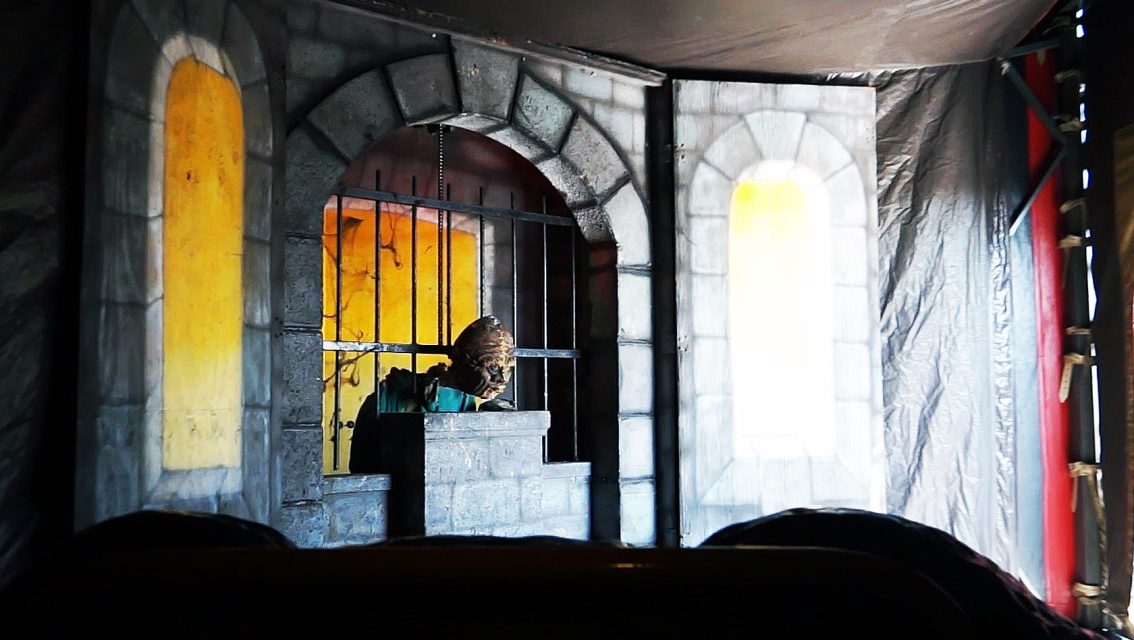
Some scenes are difficult to interpret.
Some scenes take place on simple stages.
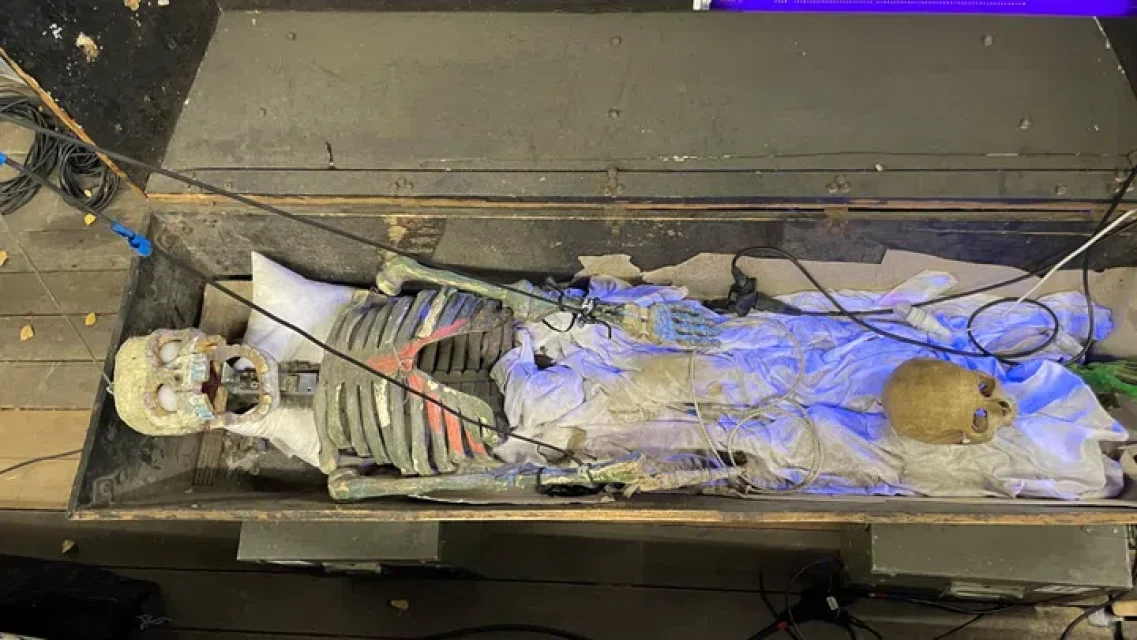
The crude mechanics animating the corpse are not even hidden.
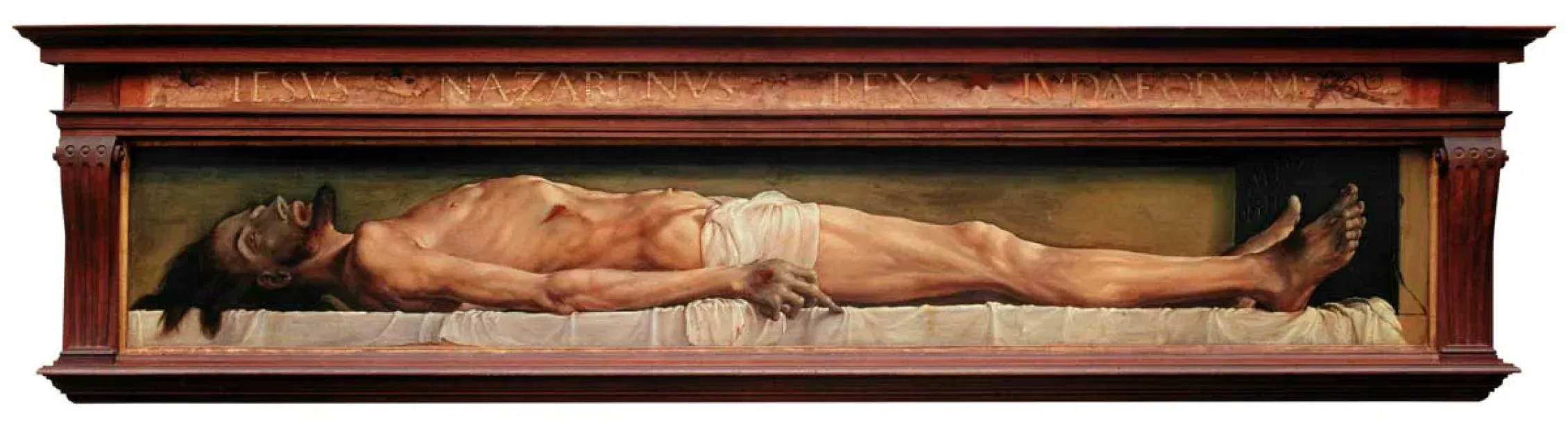
Holbein’s Body of the Dead Christ in the Tomb, 1521–22, with uncompromising clarity.
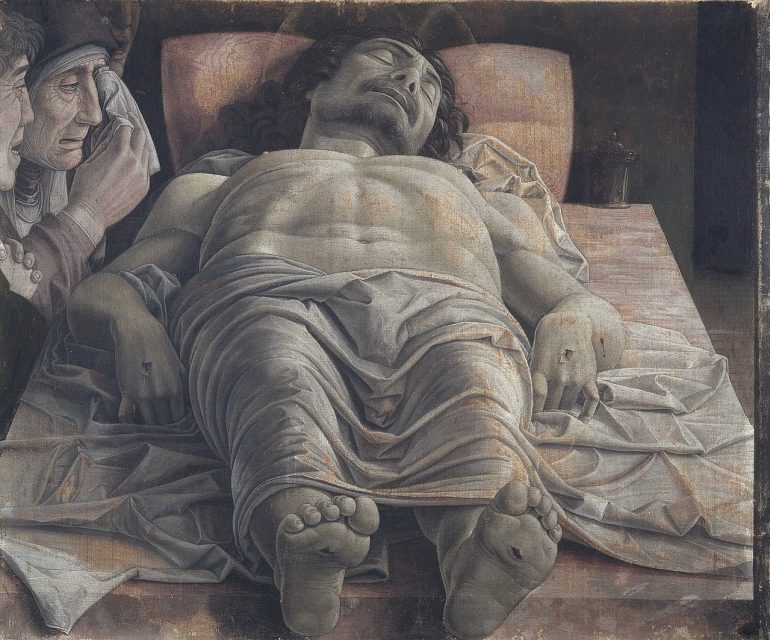
Mantegna’s Lamentation over the Dead Christ, c. 1480
Mantegna’s Lamentation over the Dead Christ, c. 1480.
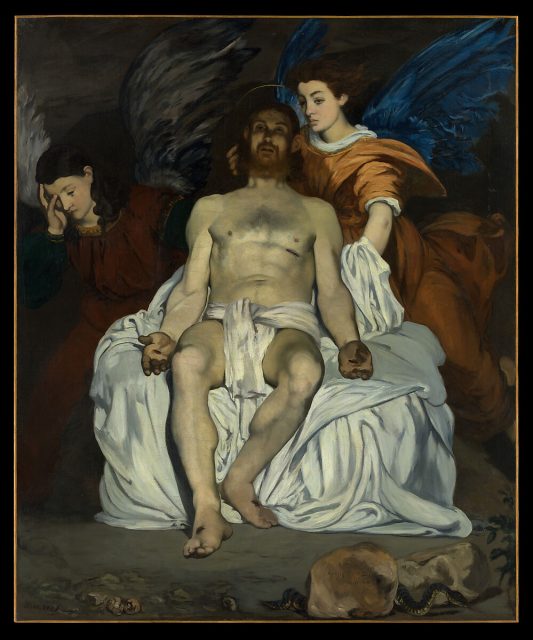
Manet’s The Dead Christ with Angels, 1864.
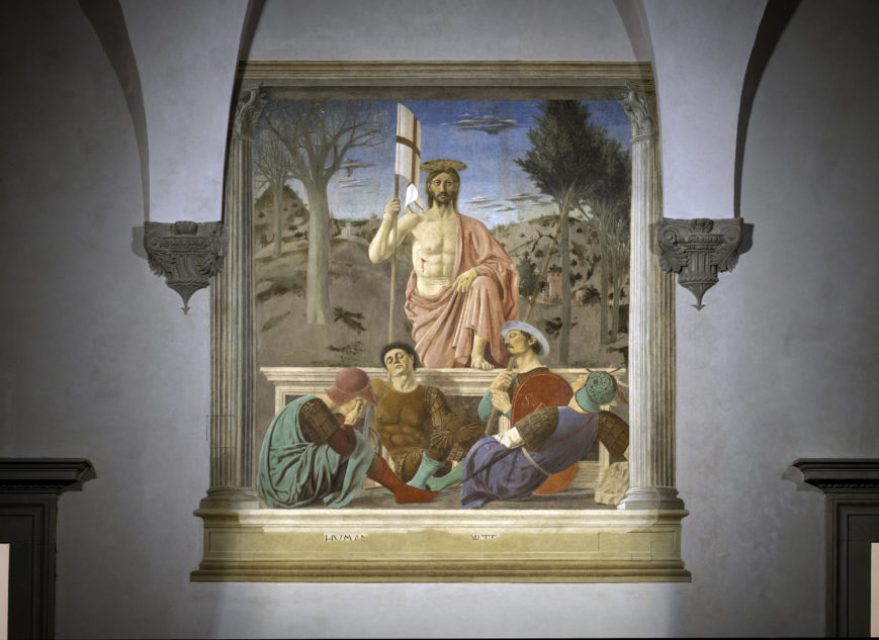
Piero della Francesca’s Resurrection, Christ rises from the grave triumphantly. The landscape echoes his resurrection.
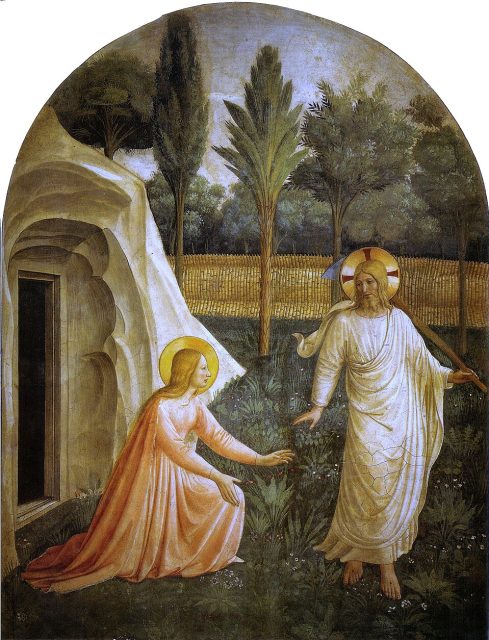
Fra Angelico shows the scene with utter clarity. The tomb, the garden, the gardener.
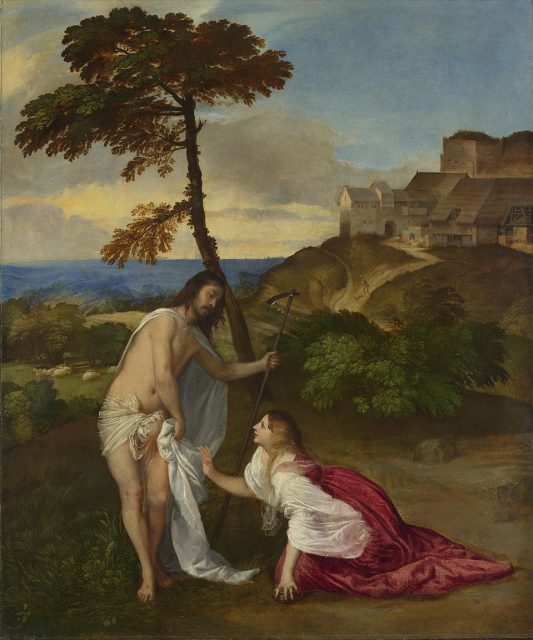
Titian’s Noli me tangere, the injunction “do not touch me” is emphasized by the gesture.
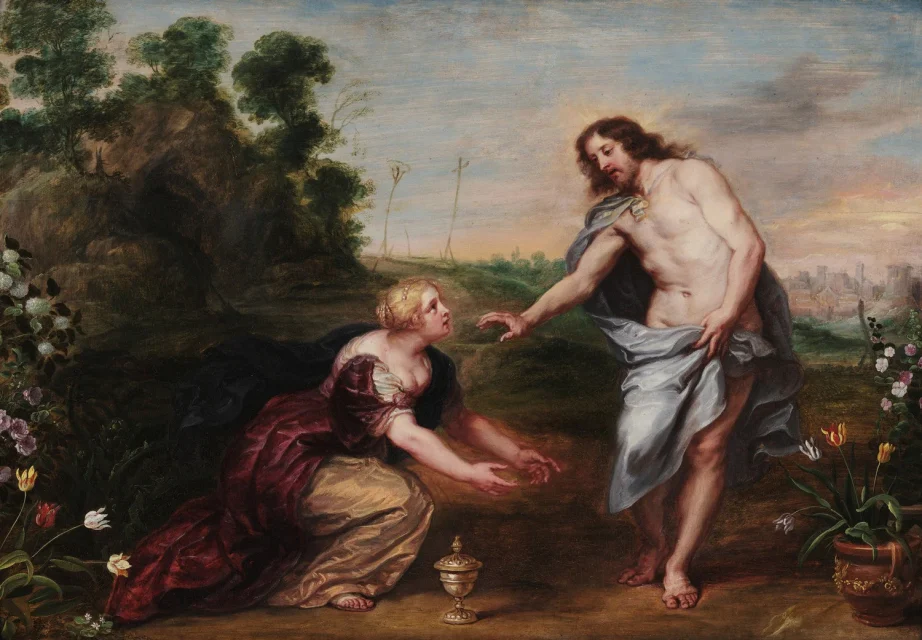
Peter Paul Rubens’ Noli me tangere.
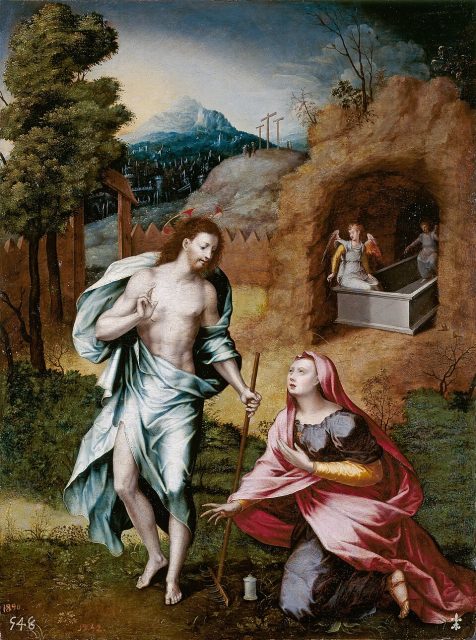
Jerónimo Cósida’s Noli me tangere, the tomb and the encounter shown simultaneously.
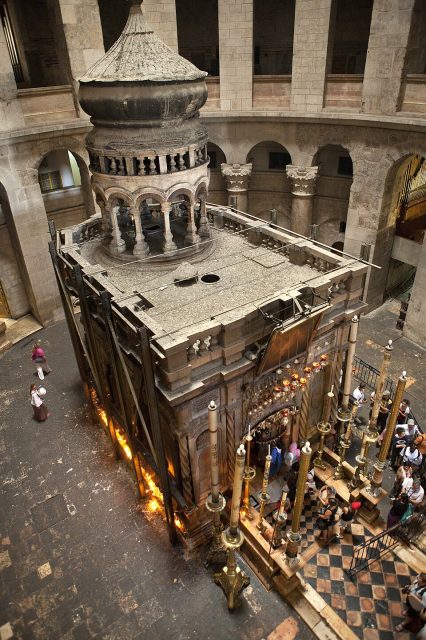
At the tomb in the Church of the Holy Sepulchre, Jerusalem, the absence of Christ is central.
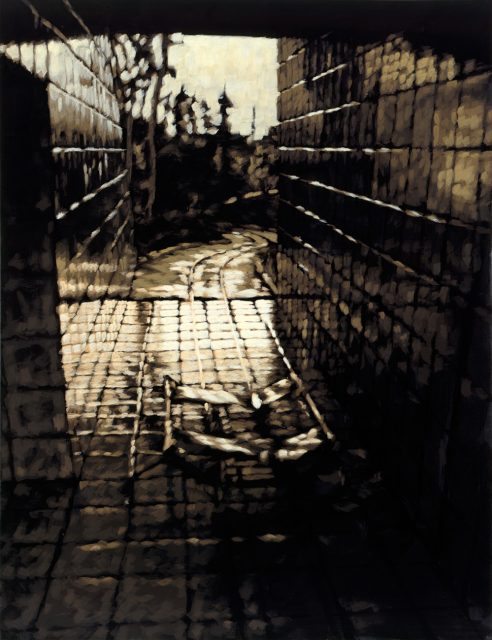
(101P), 2008, tempera on paper, 65 x 50 cm
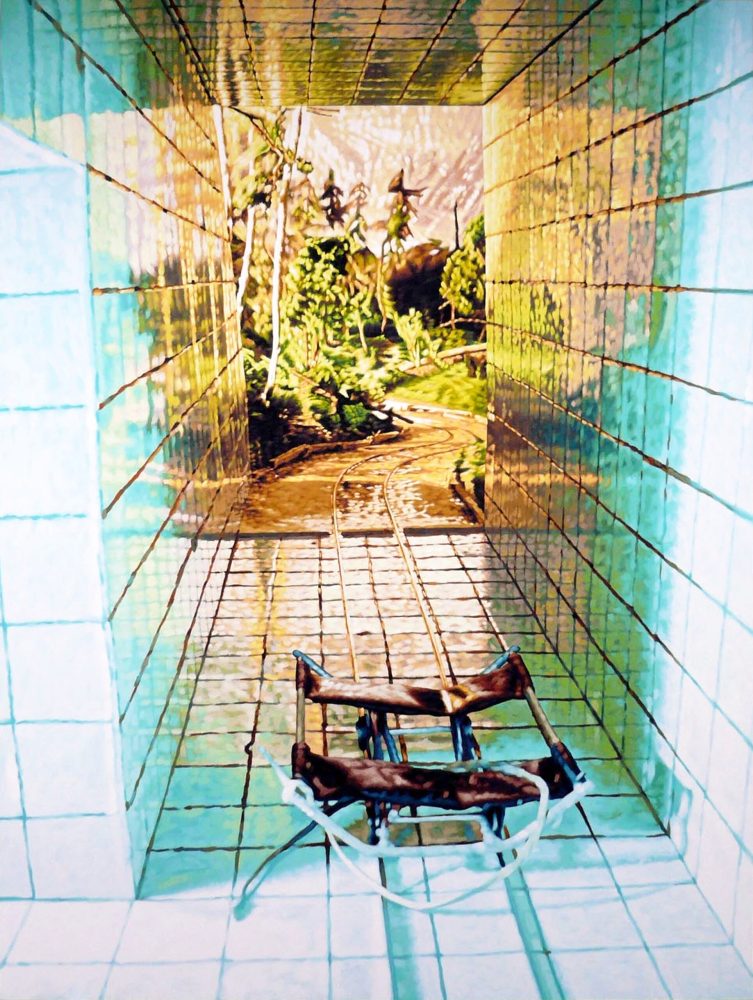
Philipp Fröhlich's painting 047L, collection Patio Herreriano
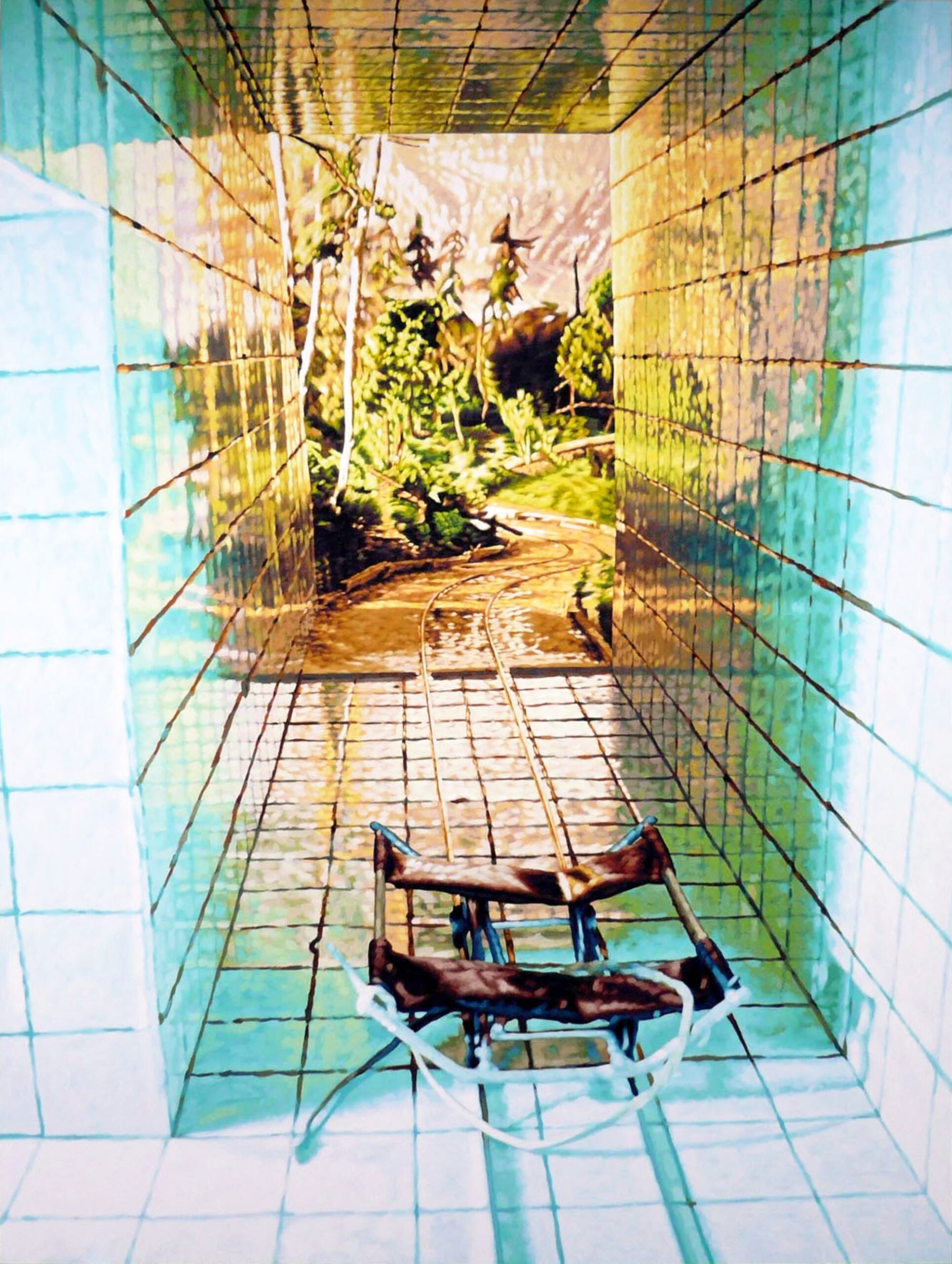
047L, 2008, tempera on canvas, 280 × 210 cm, Museo Patio Herreriano, Valladolid

Sign up to receive a brief update every two weeks when a painting is added.