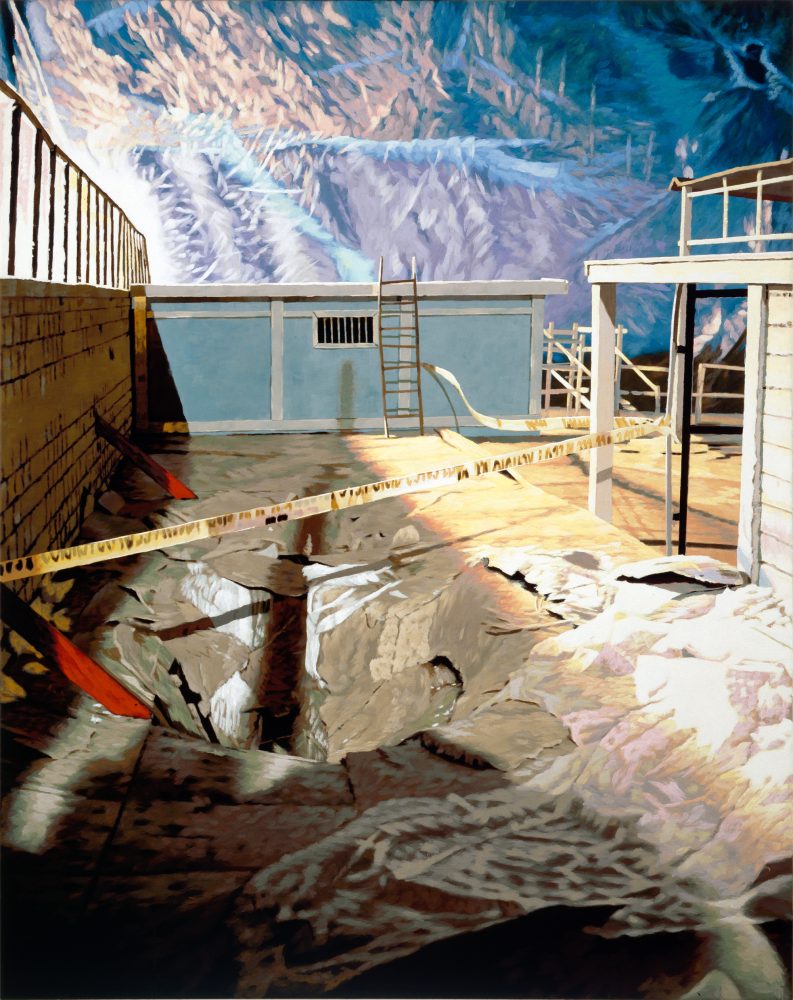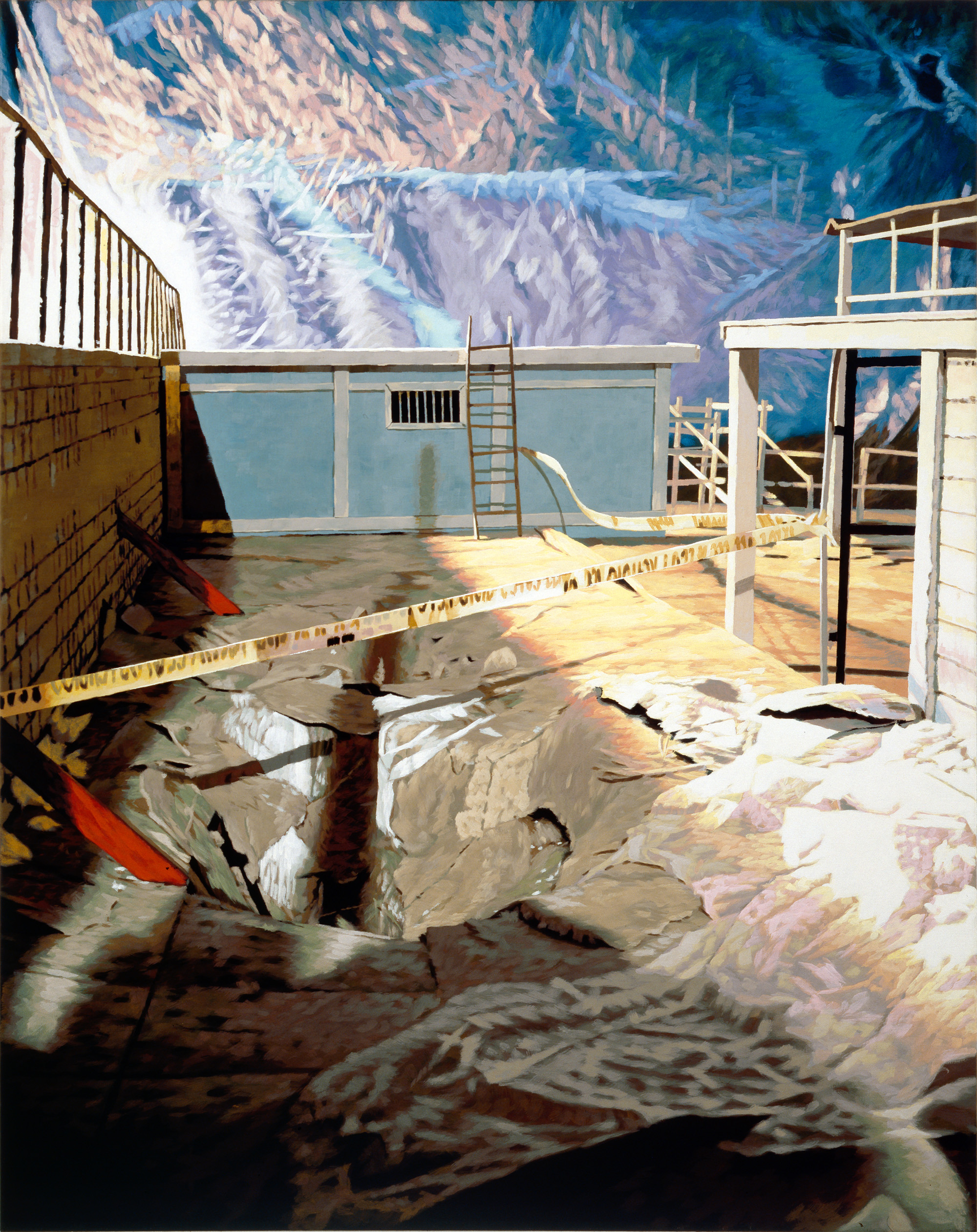
A hole is strangely difficult to define. Its most characteristic feature is that it is an absence. It can be a wanted or unwanted opening in a membrane separating two spaces. But it can also be a cavity or negative space within an object or terrain.
A hole can still be measured, counted and named, even though in some sense it consists of something not being there.
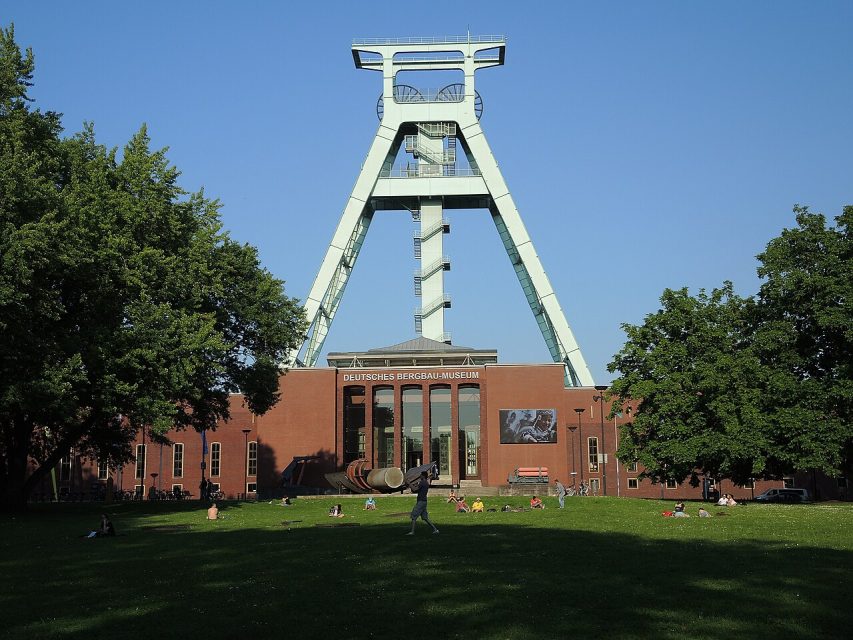
Two weeks ago, we went to see the mining museum in Bochum, which has a demonstration mine beneath it. At 20 metres deep, it doesn’t come close to the mines of the Ruhr area, many of which reached depths well below a kilometre, but it still gives you a hint of the sensation of descending into a hole well below the earth’s surface.
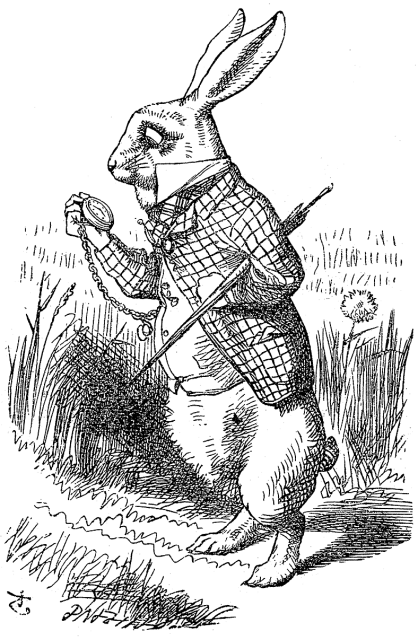
This descent through a hole into a different world is a recurring feature of many fairy tales and stories. Alice falls down the rabbit hole right into Wonderland. The girls from Frau Holle fall or jump into the well and, instead of dying, land in another world. Of course, this idea isn’t very farfetched. After all, we all entered the world through a hole.
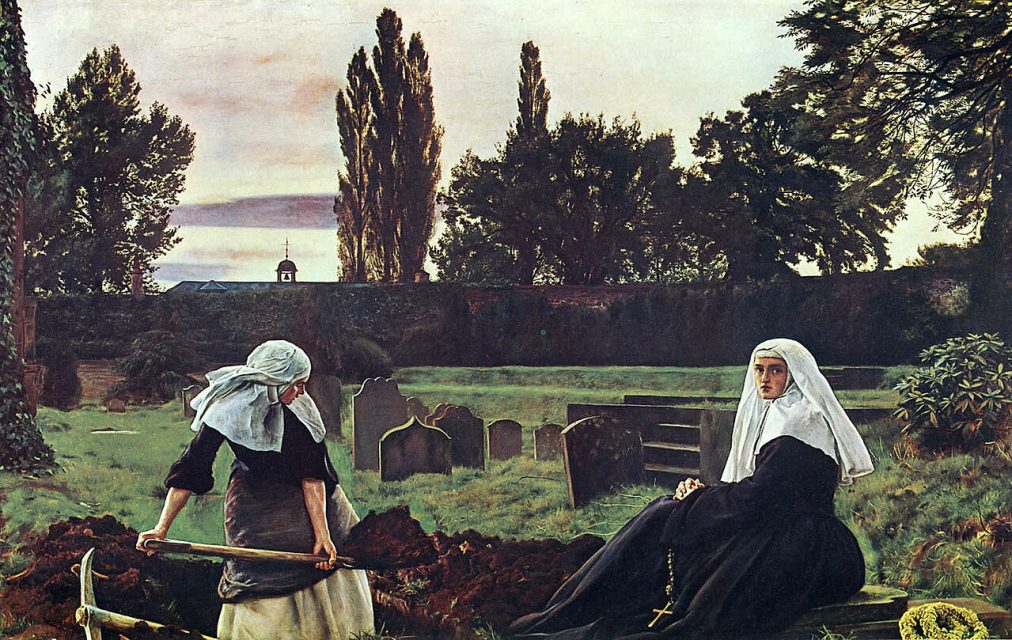
We also dig holes to place things inside, seeds, for example. After covering them up, hopefully a plant will emerge. And holes are created to receive our dead, too.
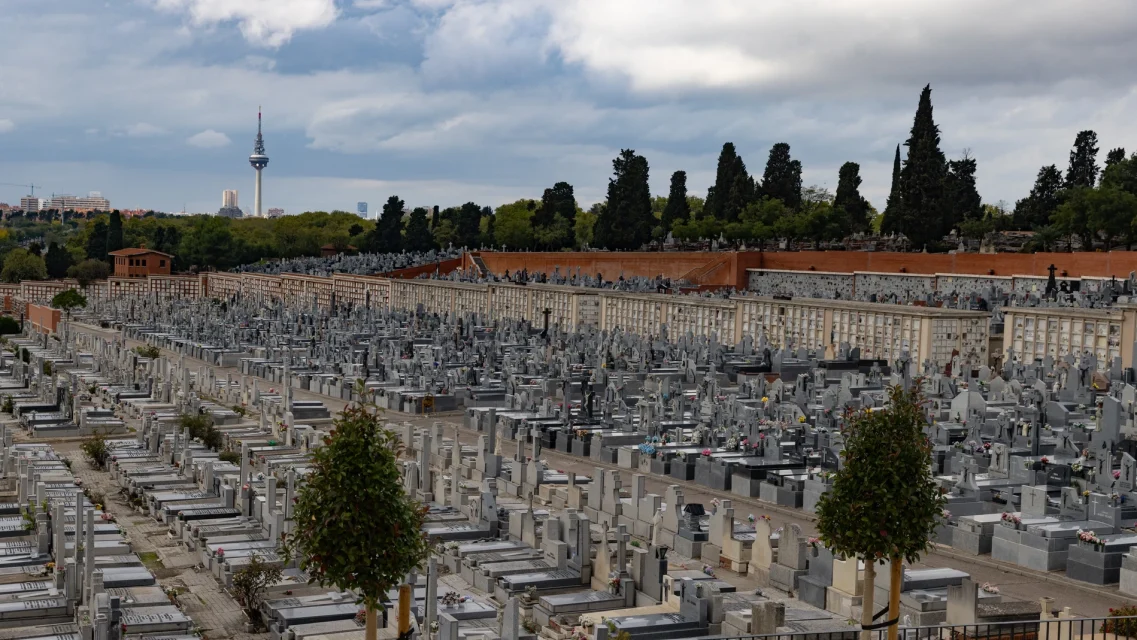
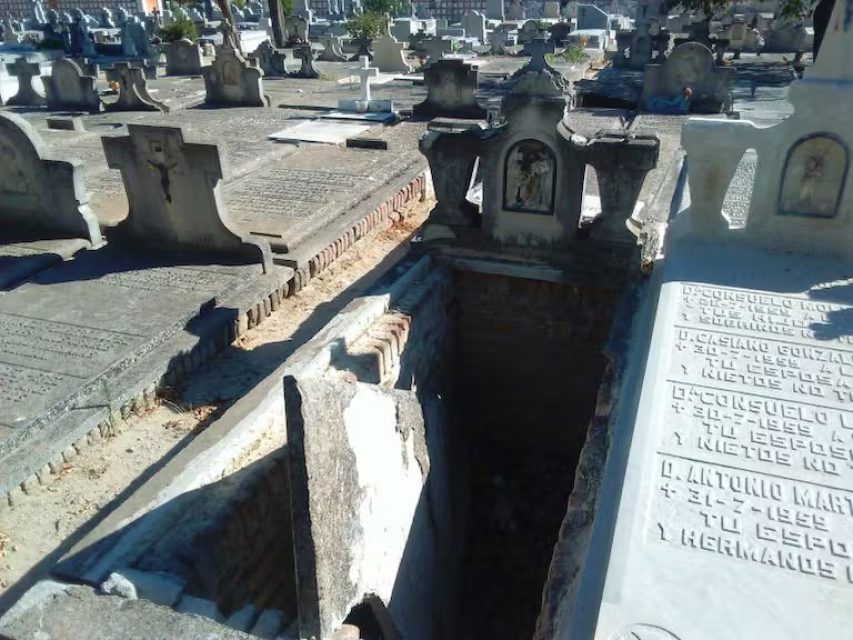
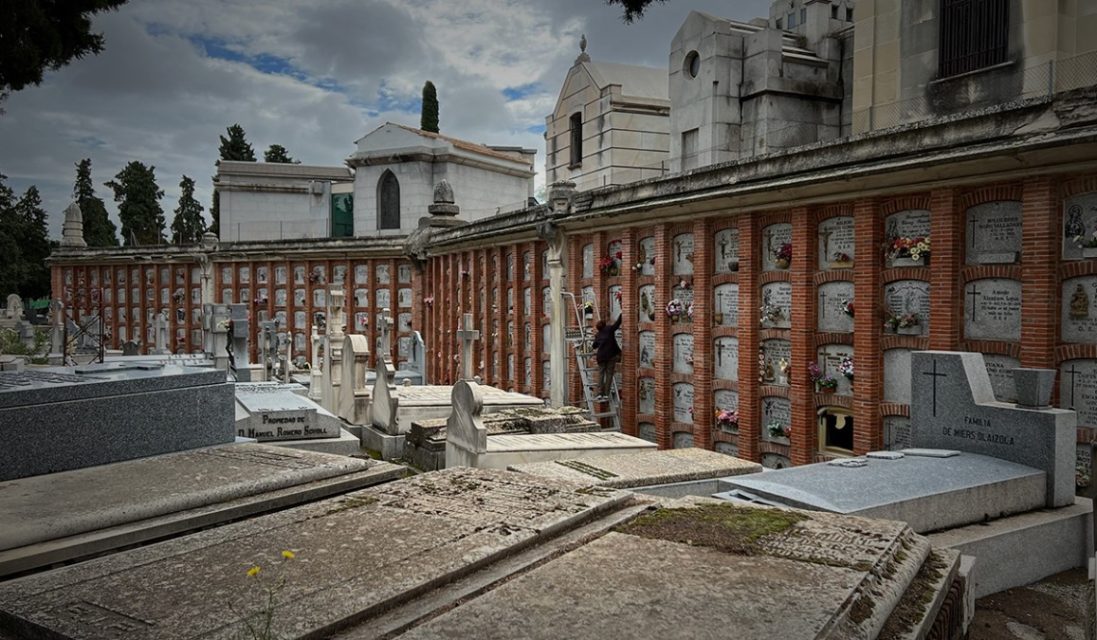
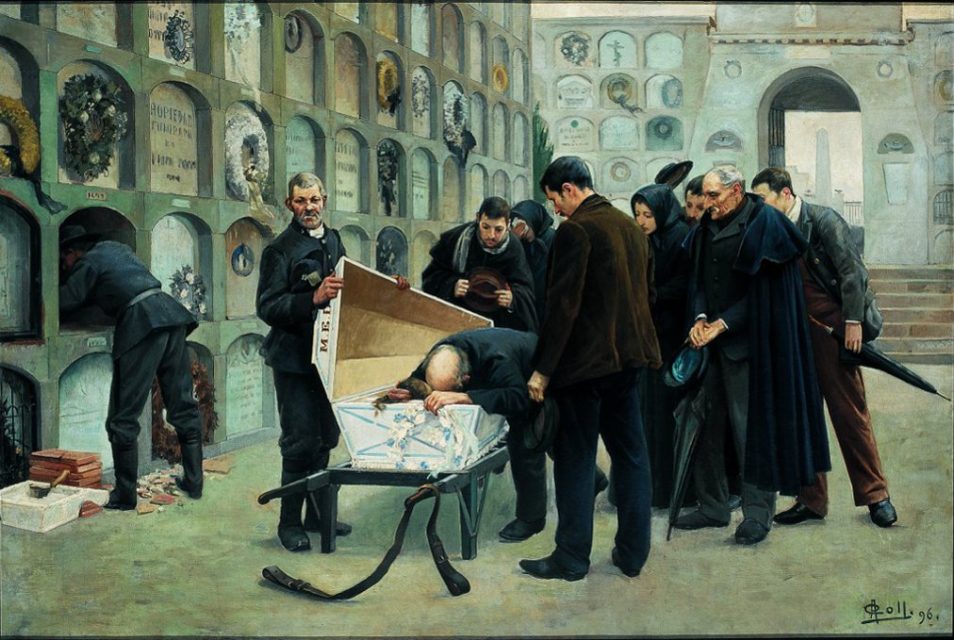
In Spain, there are traditionally different types of burial sites, like the sepultura, often a subterranean burial space beneath a stone slab, or the nicho, a coffin-sized horizontal niche in a wall or burial structure.
In those structures, the coffin is usually enclosed by the architecture rather than touching the soil. Decomposition takes place nonetheless, and after sufficient time, the remains may be exhumed and undergo a reducción de restos, in which bones may be rearranged and transferred to a smaller caja de restos. This shrinking sequence allows the remains to occupy a smaller space and the memorial architecture to be reused.
Increasingly common across most parts of Europe is cremation, in which this reduction happens before burial rather than gradually afterwards. The body and coffin are cremated together and most soft tissue and organic material is converted into gases during the process. The remaining calcified bone fragments are ground down into the material we conventionally call ashes. The remaining volume is usually 2.5 to 3.5 litres and fits easily into a standard-sized urn. In this way, only a small, urn-sized cavity is required. Urns may be placed in the earth, in an existing grave or in a columbarium, for example.
In 1975, when I was born, cremation was still distinctly exceptional in West Germany, with roughly one person in thirteen being cremated. In my 50 years so far, this figure has risen to nearly 80%, or four in five people, in 2026.
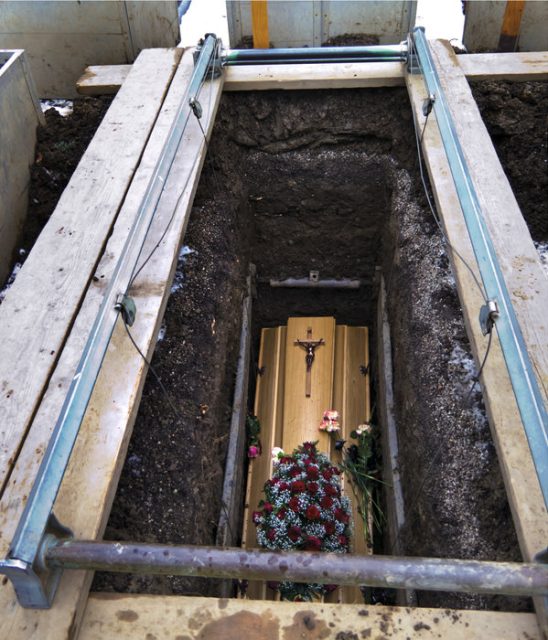
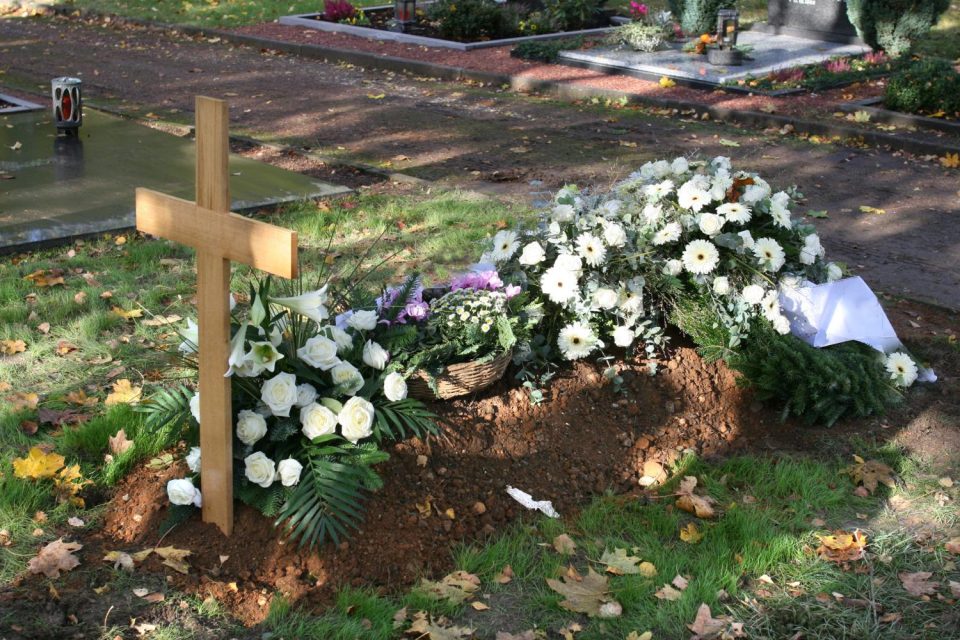
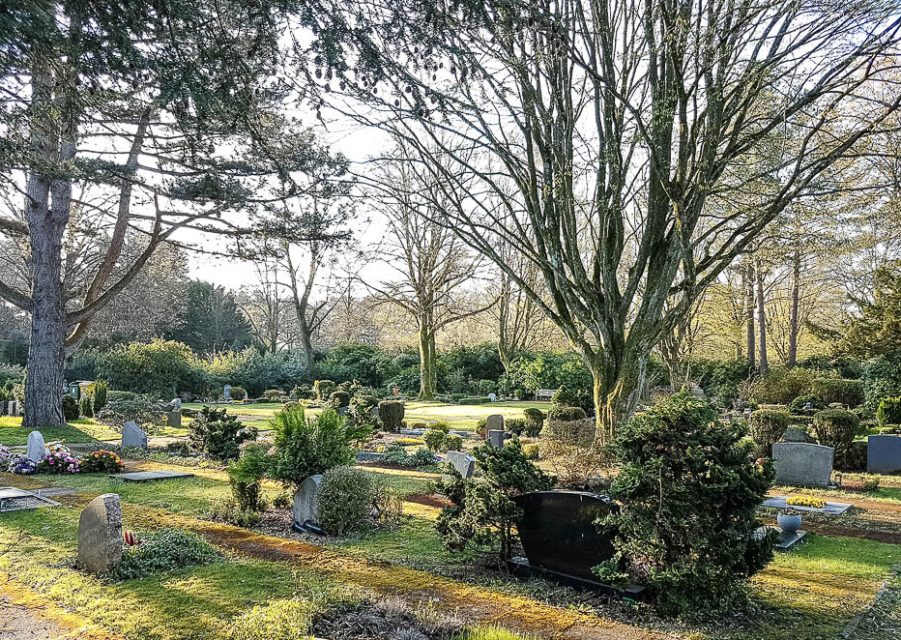
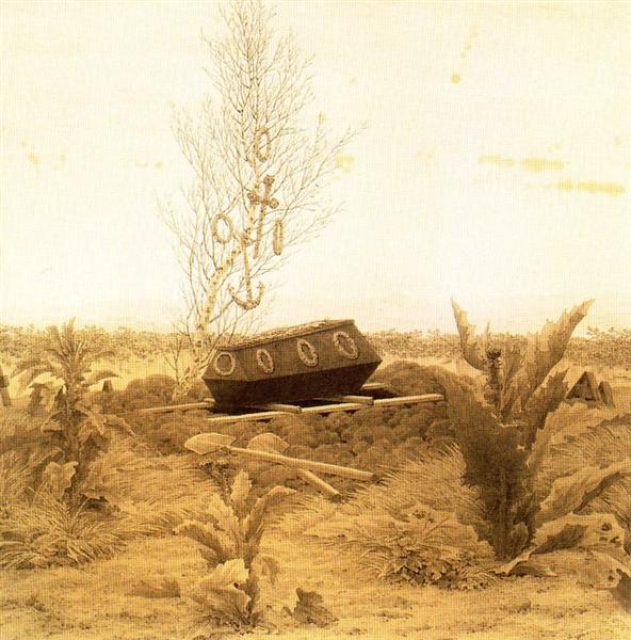
Personally, I still favour the conventional Central European form of lowering a wooden coffin into the excavated earth and covering the hole up with soil. The coffin gradually deteriorates and eventually collapses, while the body breaks down, its organic and mineral components passing into the surrounding soil. After a set Ruhefrist [rest period], often between 20 and 30 years, the grave may be reused. If bones are still found when the grave is reopened, they are usually collected and reburied deeper in the same grave.
“Wel air is the short sky innit but earf is the long 1.” says Greanvine in Russell Hoban’s Riddley Walker.
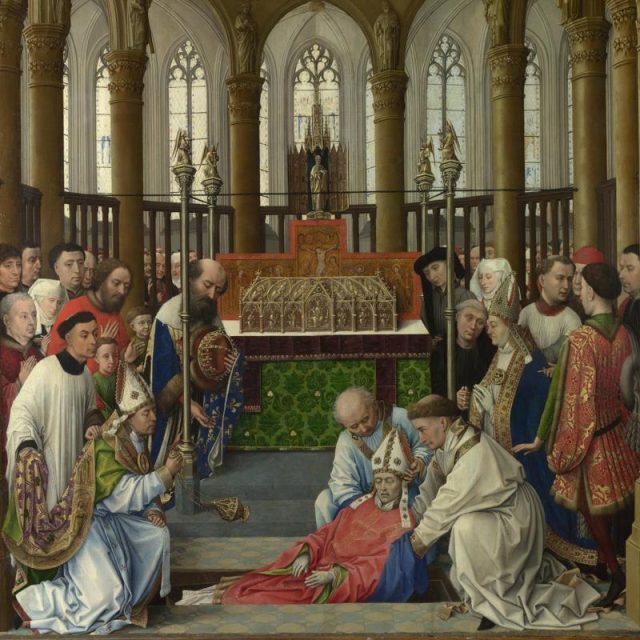
Burial makes someone physically disappear, while simultaneously creating a place where that person is remembered, at least for a certain time span. But graves can be used for concealment and erasure, too. And exhumation can counter this intended unmaking, restoring identity, evidence, memory and justice.