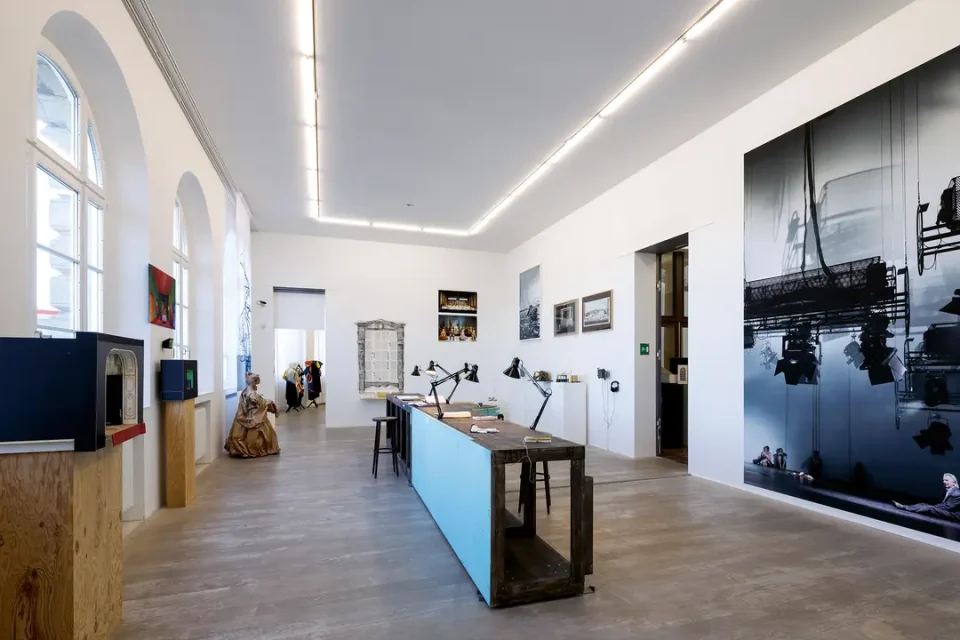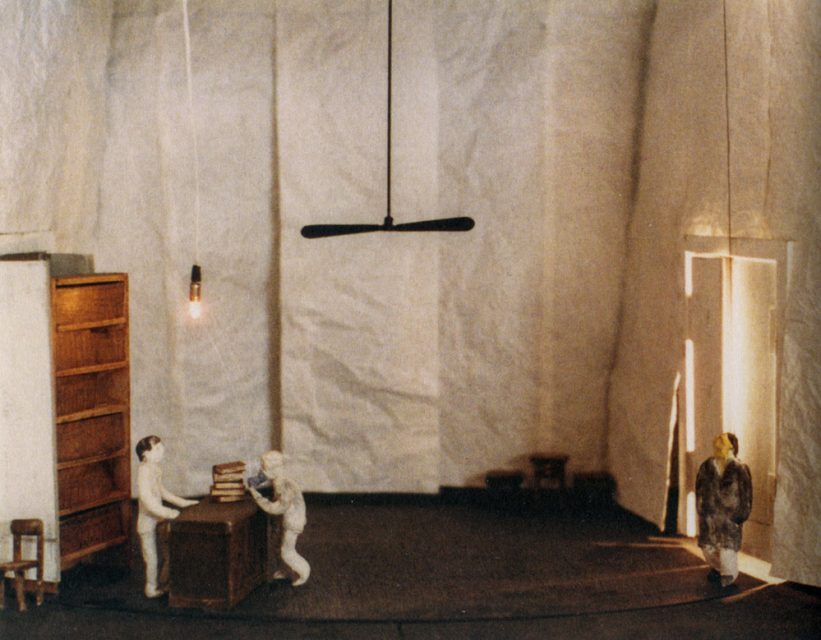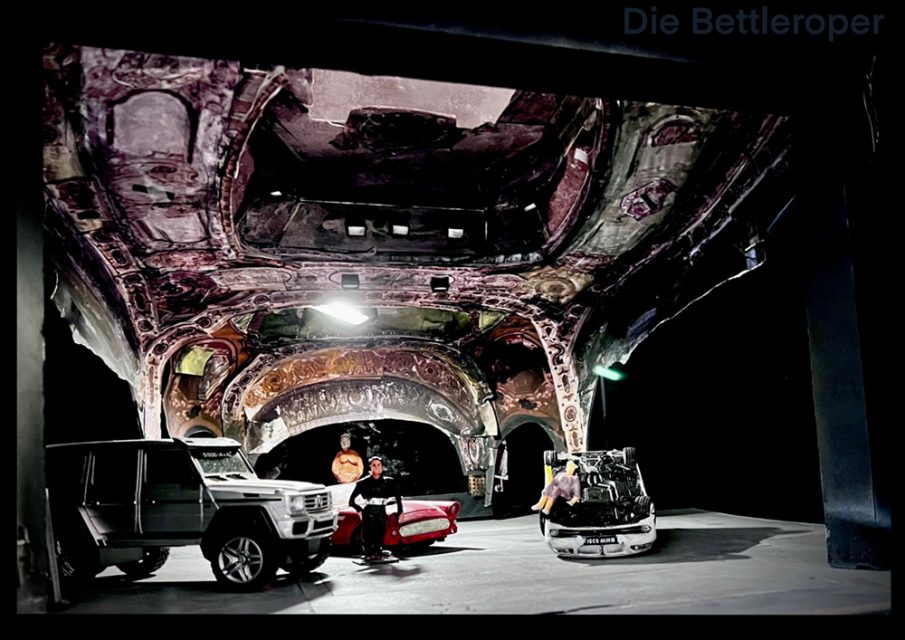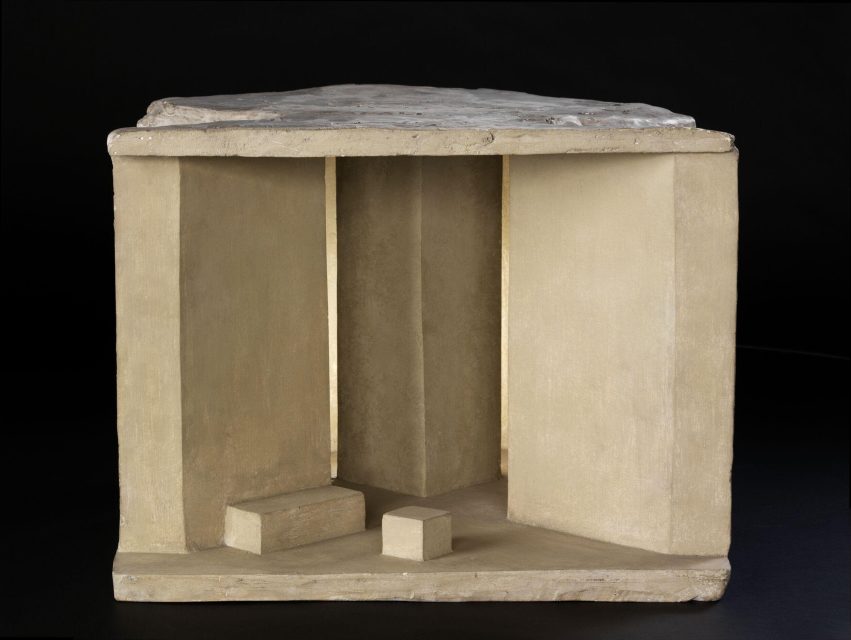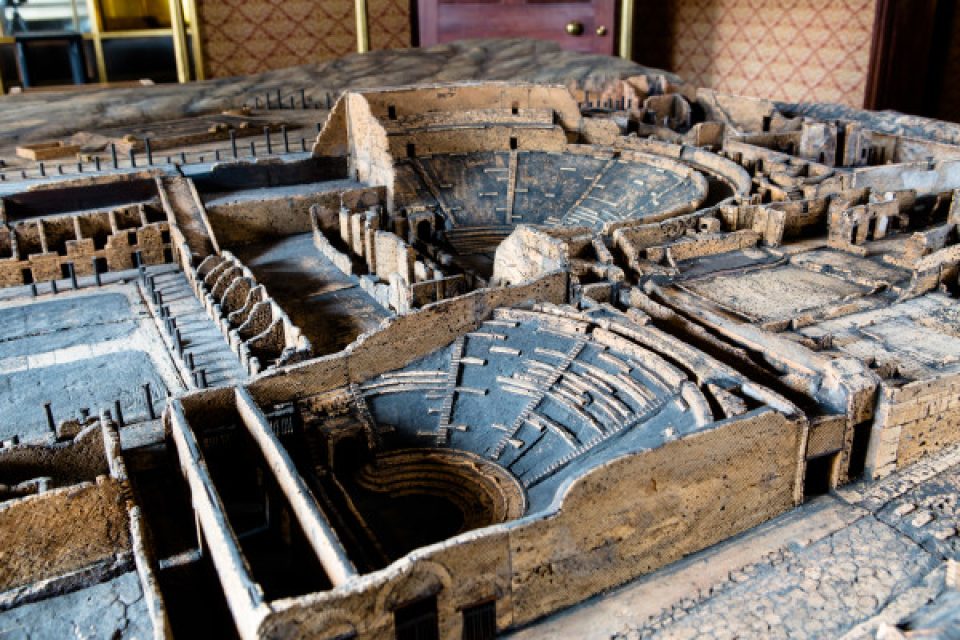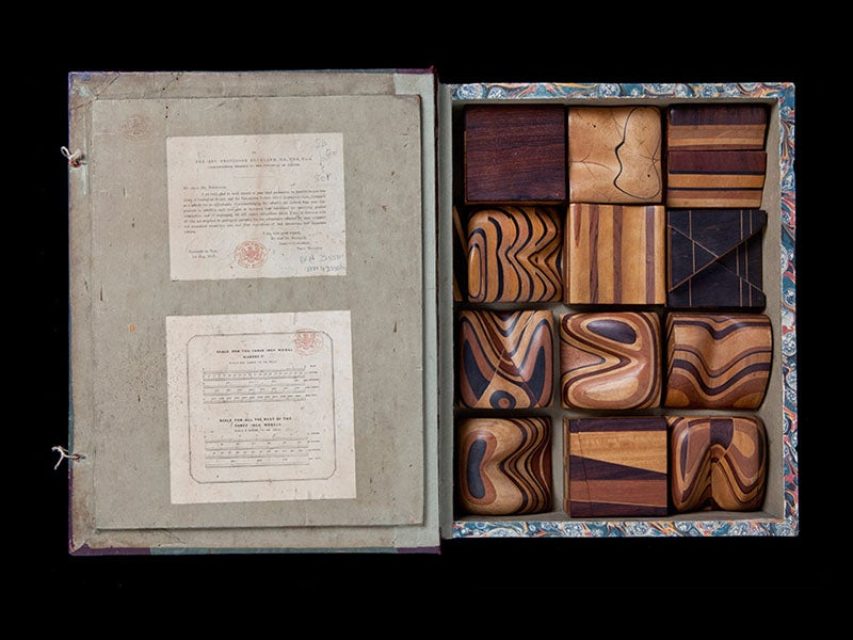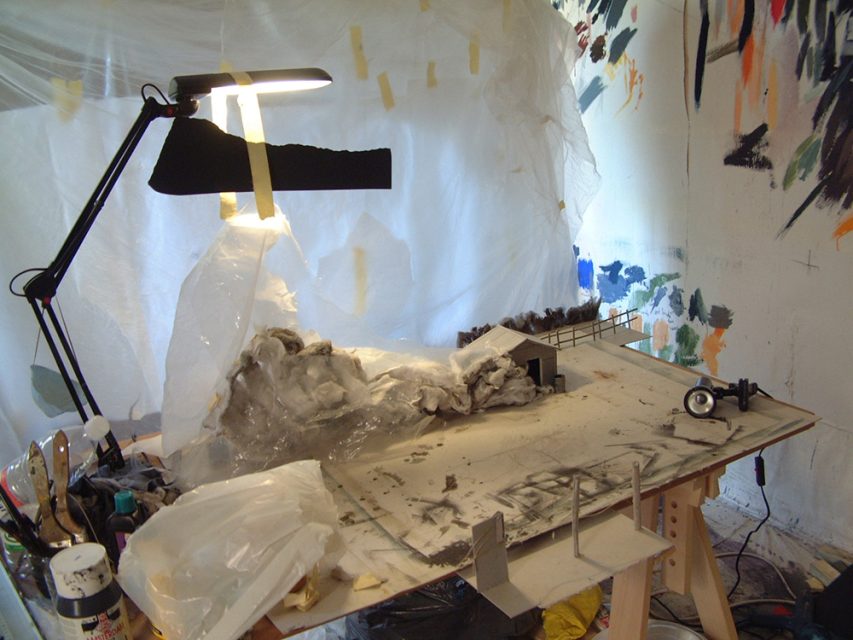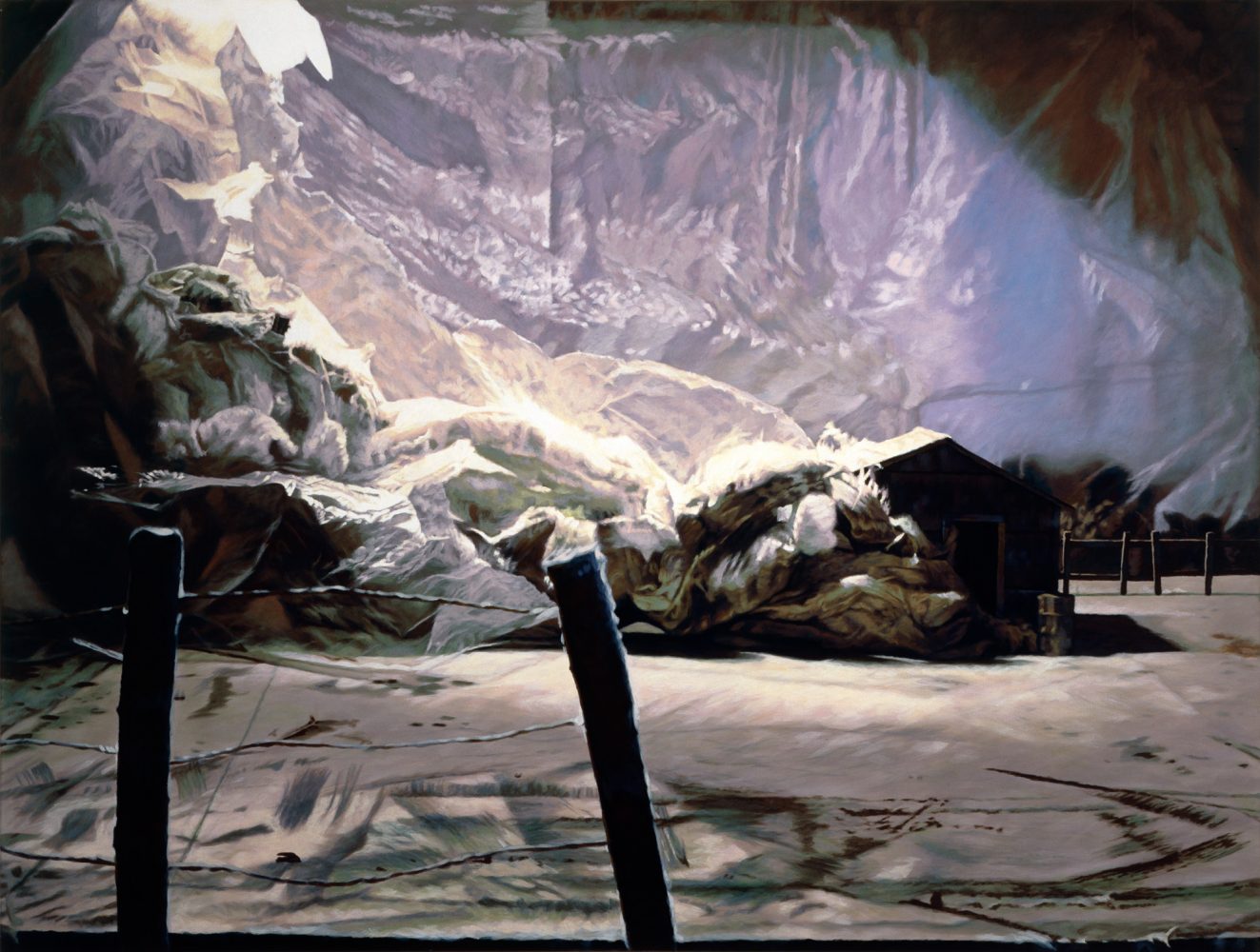
Some months ago, I participated in an exhibition celebrating a century of teaching scenography at the Kunstakademie Düsseldorf. It brought together a fascinating collection of material, including many models. It is a strange sensation to look at theatre models in an exhibition. Usually, they are built while developing a stage design and later used to show the technical staff what is to be constructed on stage. But theatre is such a time-based medium that, years after the last performance, these models are often among the few physical things that remain. An exhibition like this can feel almost like a graveyard of vanished performances.
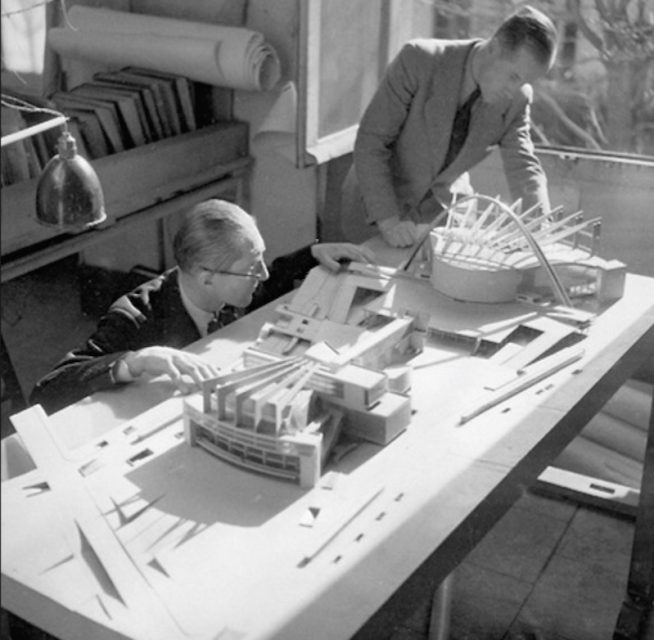
Such a model can be extremely useful when working with a director. It can be quite comical to see two adults moving tiny figures and objects around, completely absorbed in what they are doing. But occasionally you come across someone who simply cannot place themselves mentally inside such a miniature space. It seems to require a particular way of looking at the construction in front of you, of accepting it as a real and proper space.
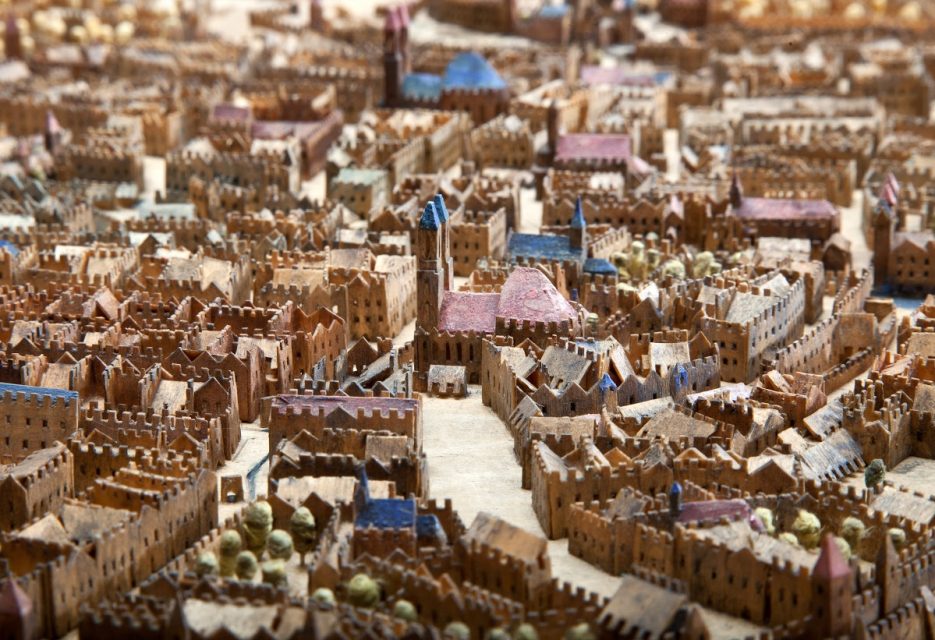
According to Vasari, Pope Clement VII ordered Benvenuto di Lorenzo della Volpaia to draw him a very detailed plan of Florence in preparation for the siege of the city. The sculptor Tribolo, who was assisting him, came up with the idea of building the plan in relief, so that the heights of the mountains and the depths of the low-lying areas could be better understood. In the end, the two spent many months secretly measuring the city and its surroundings by night and constructing the model. They used cork to keep the fake city lightweight, allowing it to be smuggled out of Florence in pieces hidden in bales of wool.
Apparently, the Pope was so taken with the model that he kept it in his chamber throughout the siege. As letters and despatches arrived, he used it to locate the troops, skirmishes and other events they reported, following the course of the siege on his miniature Florence.
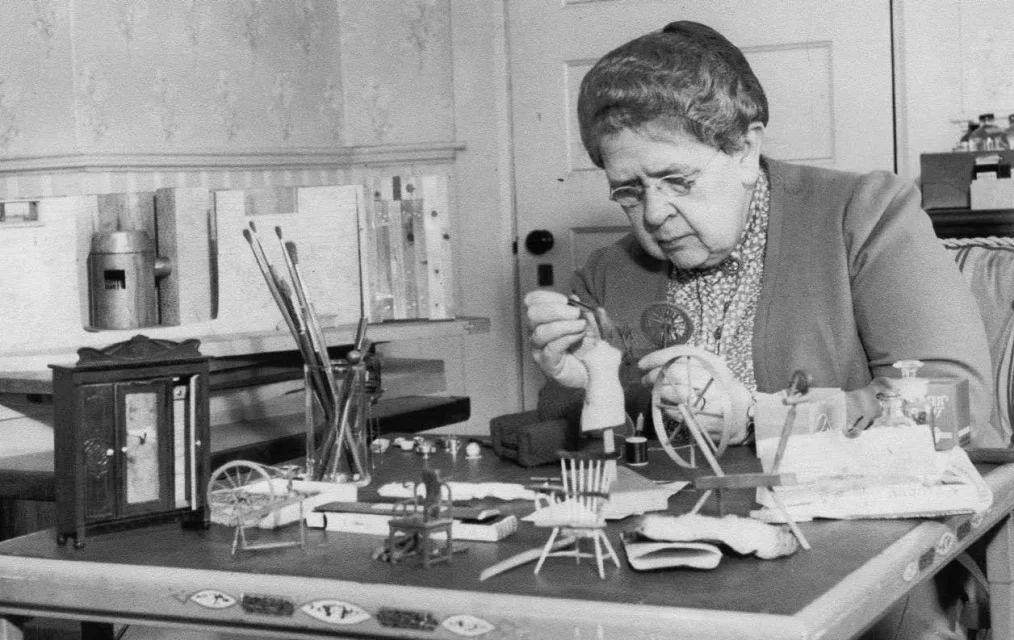
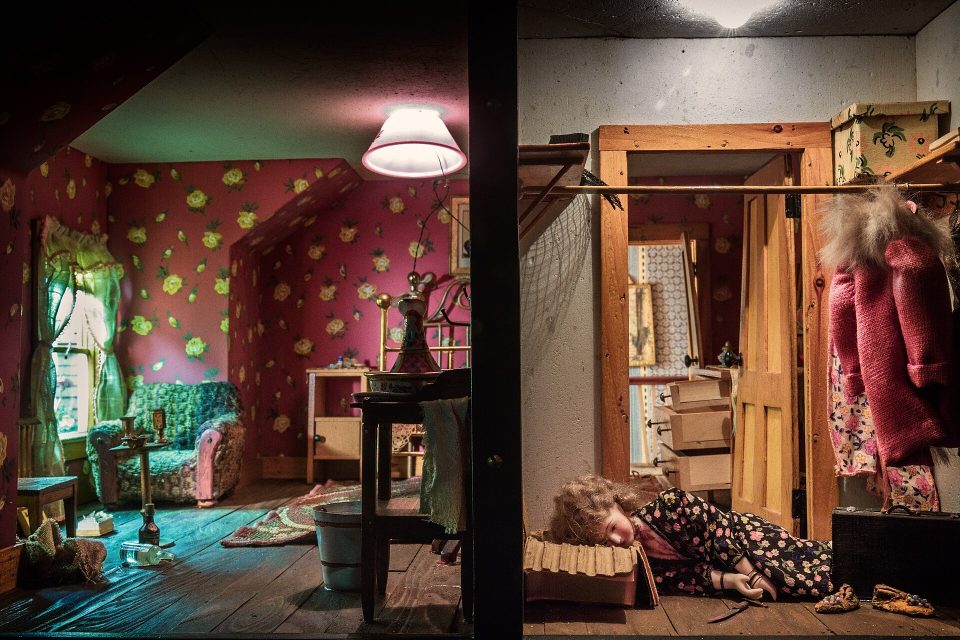
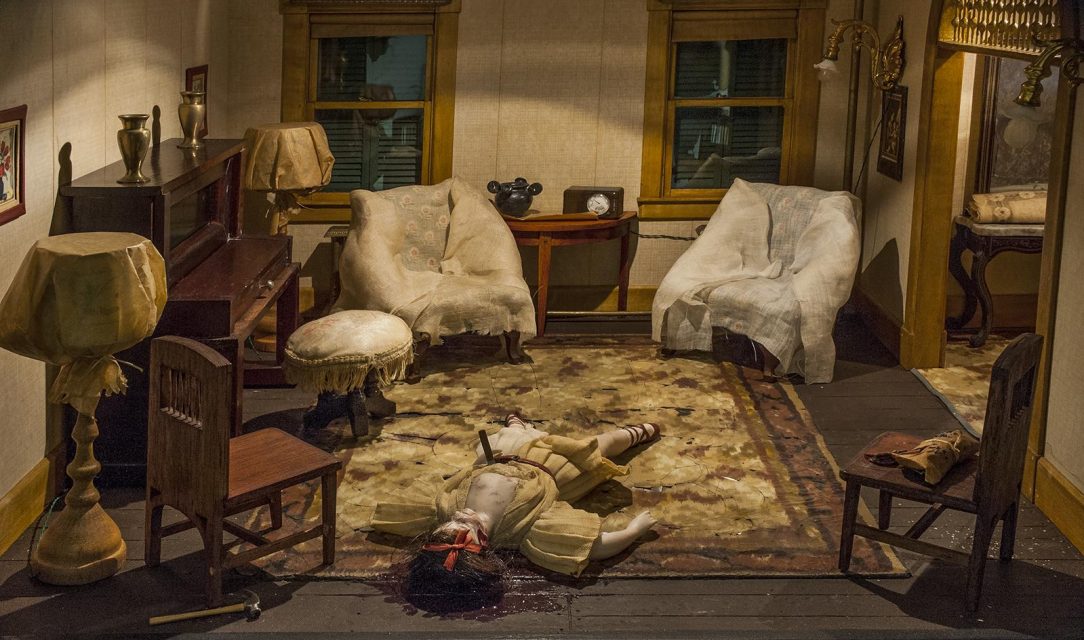
From 1943 onwards, 65-year-old Frances Glessner Lee developed a rather unusual use for a series of models she called the Nutshell Studies of Unexplained Death. Visually, they were very close to traditional doll’s houses, but they were made to train crime-scene investigators. They were not straightforward miniature reconstructions of individual real crimes, but rather combinations and alterations of real cases. Nor did they provide a solution as in a whodunit, because they weren’t meant as riddles, but as exercises in careful observation.
Built at a scale of 1:12, the models contained an extraordinary degree of detail: working windows and doors, real textiles, tobacco-filled cigarettes, newspapers, exact calendars, cans with labels, signs of bodily change in the victims, dirt, wear and so on. This attention to detail served a specific function. Investigators shouldn’t be able to tell in advance which details mattered and which could be discarded simply on the basis of what had been rendered more precisely.
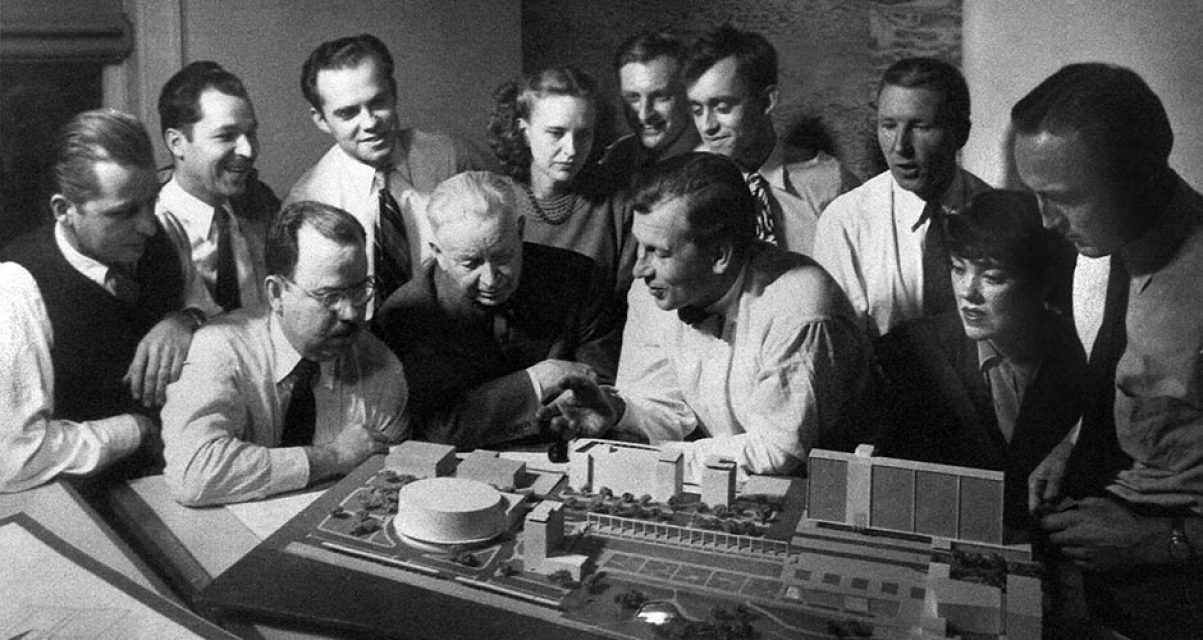
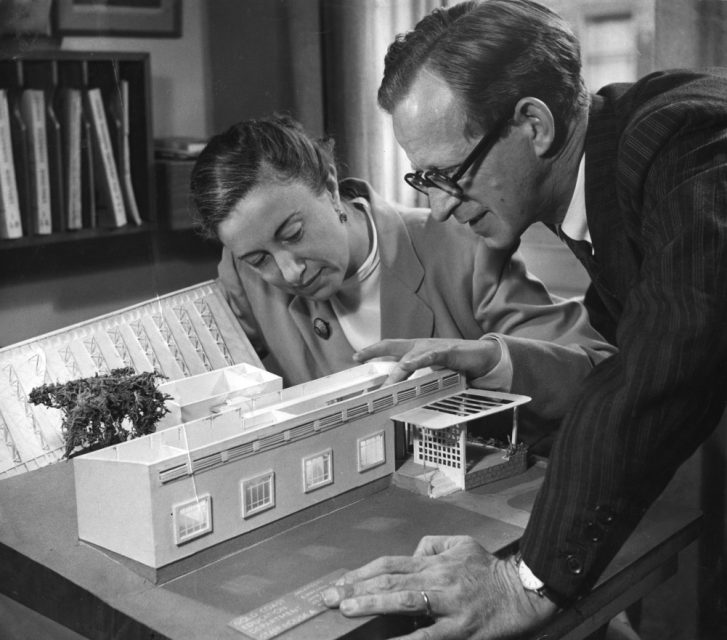
But a model doesn’t always need this amount of detail to be valuable. The cork model of Florence didn’t need the interiors of its buildings to plan the siege properly. Often, deciding what exactly matters and discarding what doesn’t is essential, or at least practical. Removing a wall or roof can be necessary to gain a clear view inside an architectural model. An anatomical model can leave out everything irrelevant to the structure being studied. Omission is not simply a shortcut but part of what makes the model useful. Paradoxically, by containing less information, a model can reveal things more clearly than reality itself.
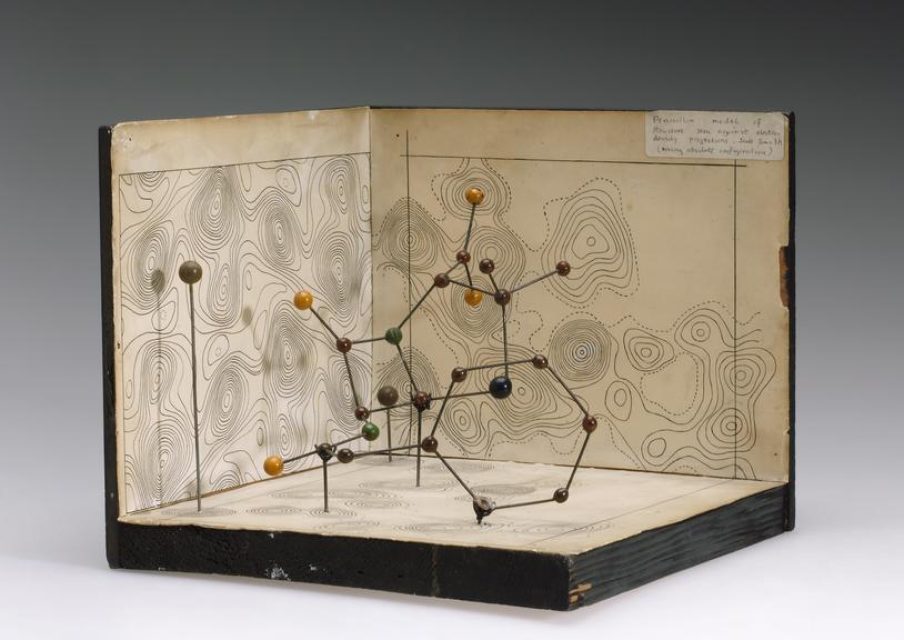
This can be taken much further. A model can become highly abstract, reducing something to little more than the relationships it is intended to demonstrate. Or it can cut through geological layers and formations, making relationships simultaneously visible that in reality are hidden deep underground and could never be seen from a single viewpoint.
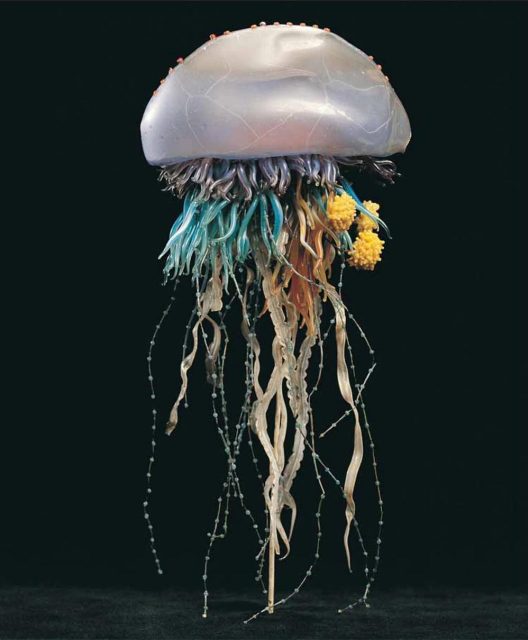
The same selectivity applies to materials. Even a realistic model doesn’t need to be made from the same material that it represents. In fact, using the actual material can sometimes produce a less convincing result. A piece of fabric reduced to a fraction of its normal size does not become proportionally thinner or softer. Its texture becomes absurdly large in relation to its scale, and it may no longer fall or fold like the fabric it is supposed to represent. Often, it is not the material itself but a particular characteristic of it that needs to be reproduced. Another substance can sometimes imitate this more accurately. In a sense, the material itself may need a model.
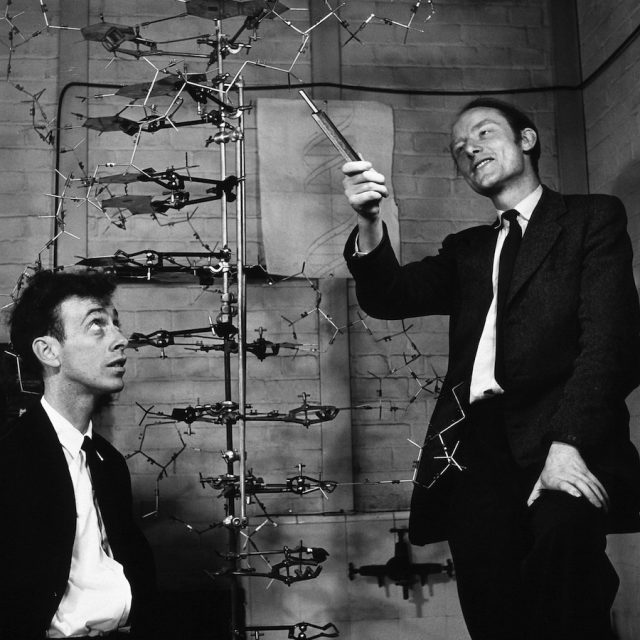
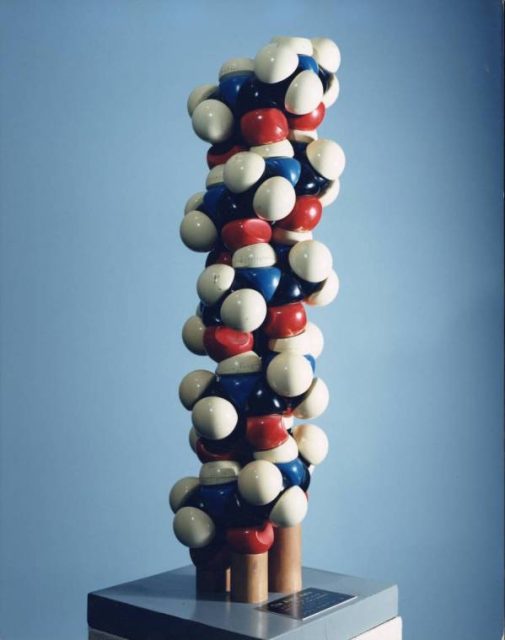
A model does not necessarily have to reduce the scale. Some, like molecular models, enlarge the subject greatly. The purpose, however, often remains the same: to bring something that exists outside ordinary human perception into a humanly manageable scale.
A model does not even have to change the scale at all. A common step in developing a stage design is to build a provisional version of it at full scale on the actual stage, using improvised materials. During such a full-scale mock-up, even directors who seem incapable of putting themselves mentally inside a miniature model can finally enter the space it represents.