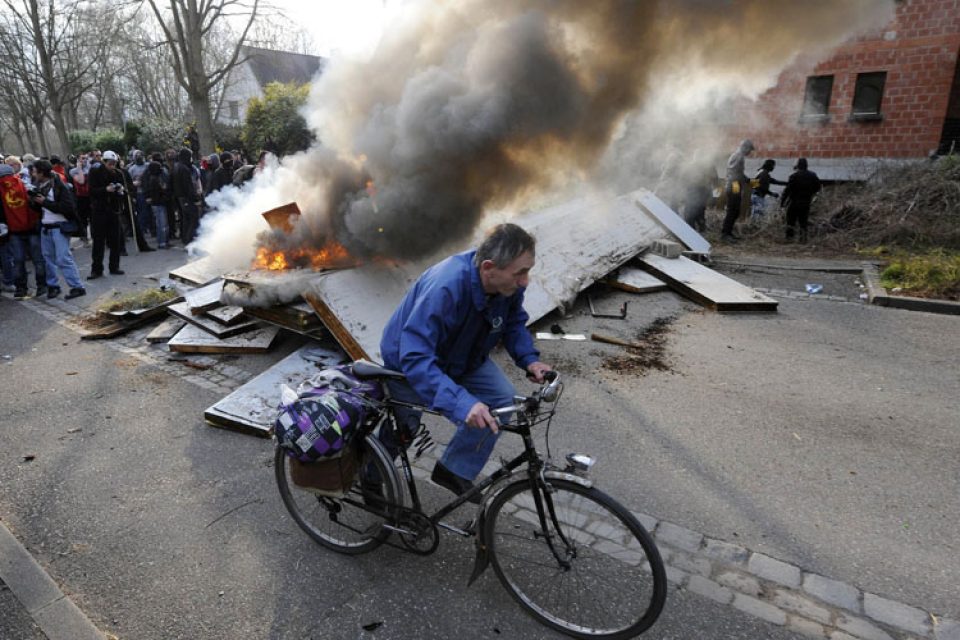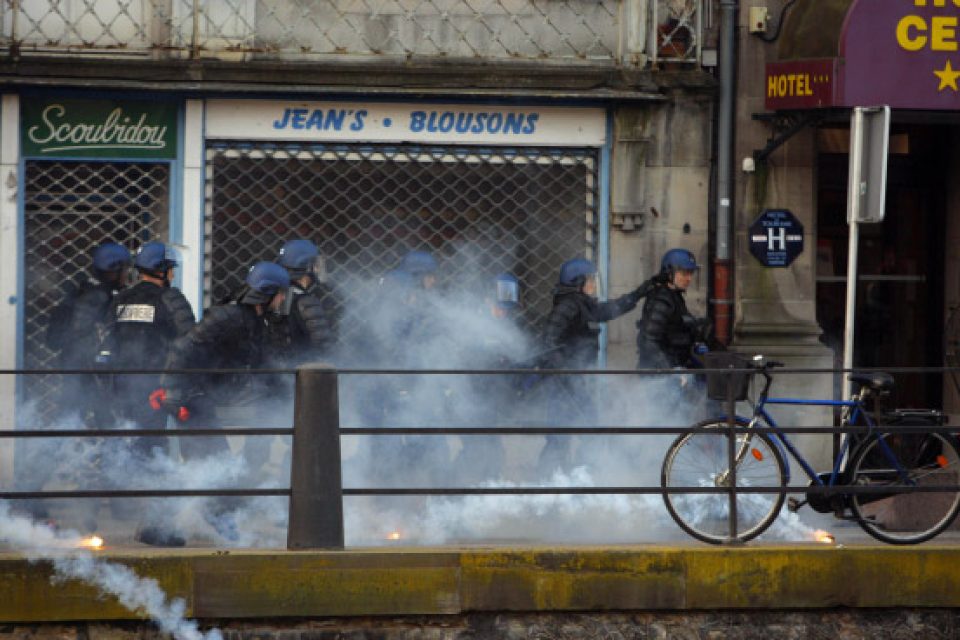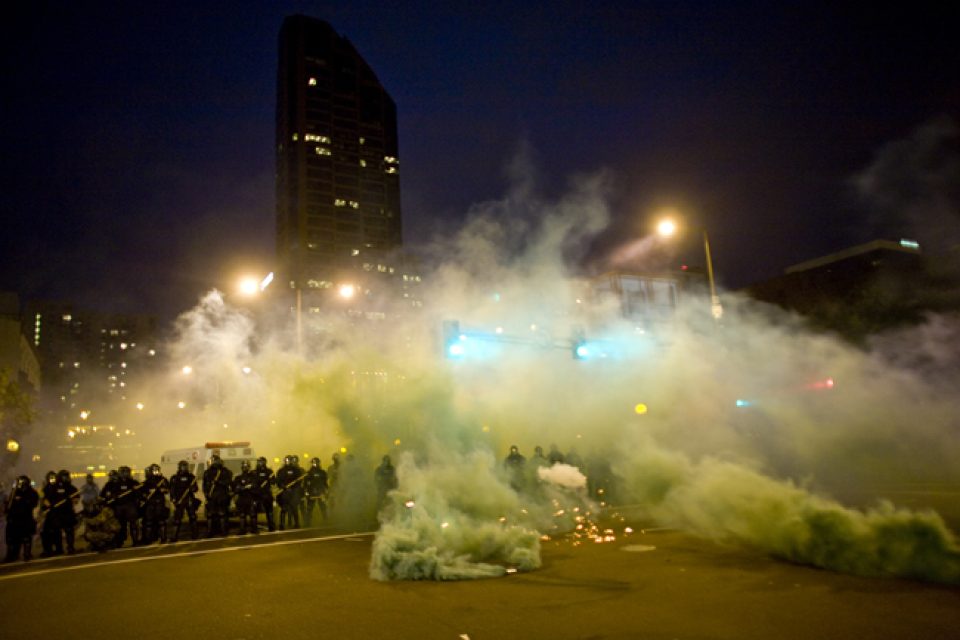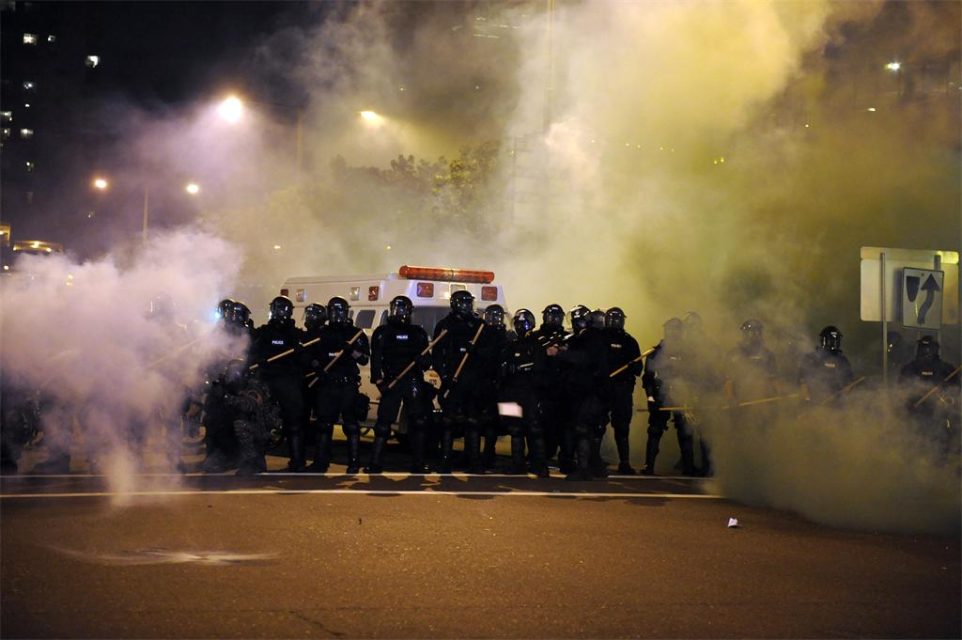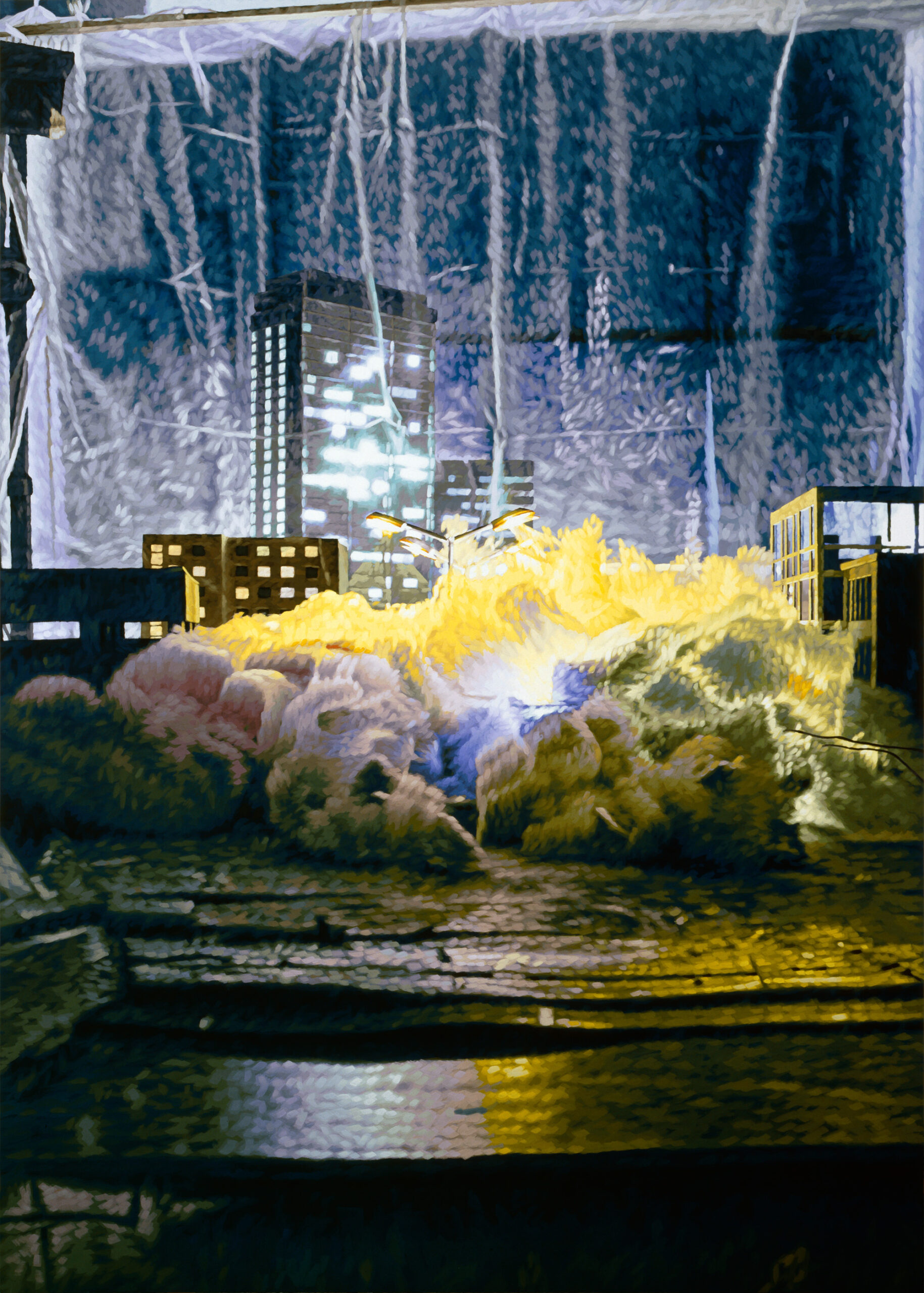
Following the financial crisis triggered by the collapse of Lehman Brothers in 2008, 2009 felt like a year marked by protest and unrest. Looking back, I’d say there were still fewer demonstrations than in the years that followed. But the atmosphere had certainly changed from the years before. Political and economic structures suddenly appeared unstable. At the same time, digital photography had become ubiquitous and online newspapers, blogs and early social media were transforming the circulation of images. Certain images seemed to recur, shaped by a sense of uncertainty and growing anger.
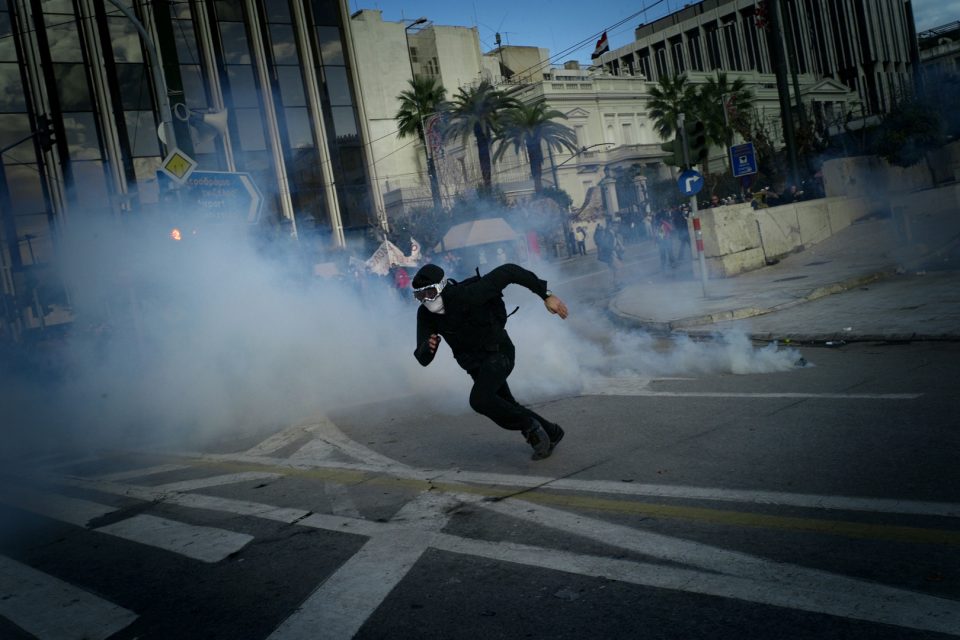
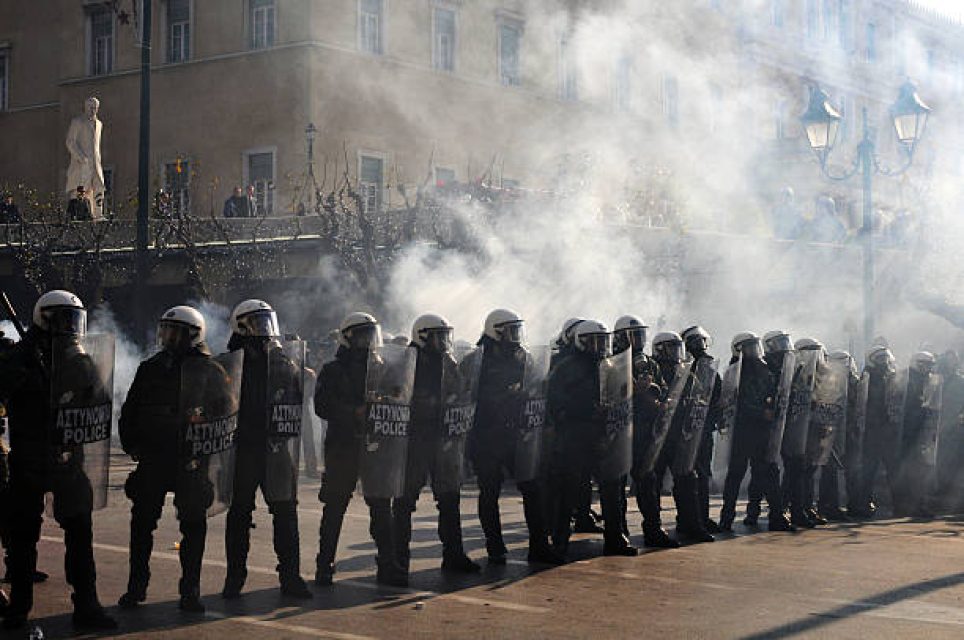
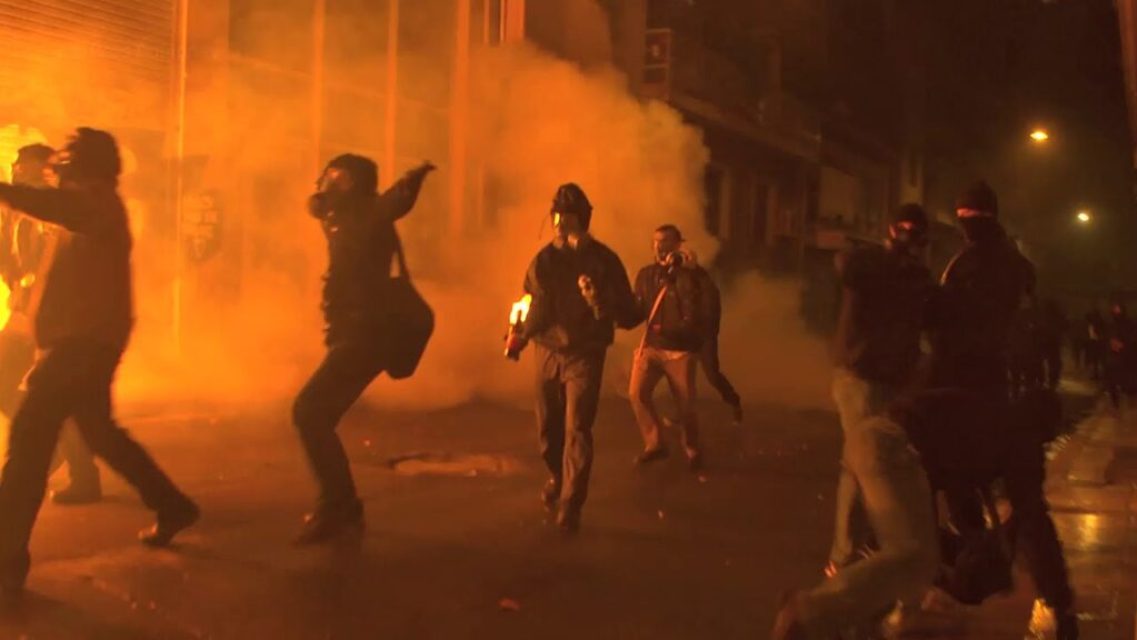
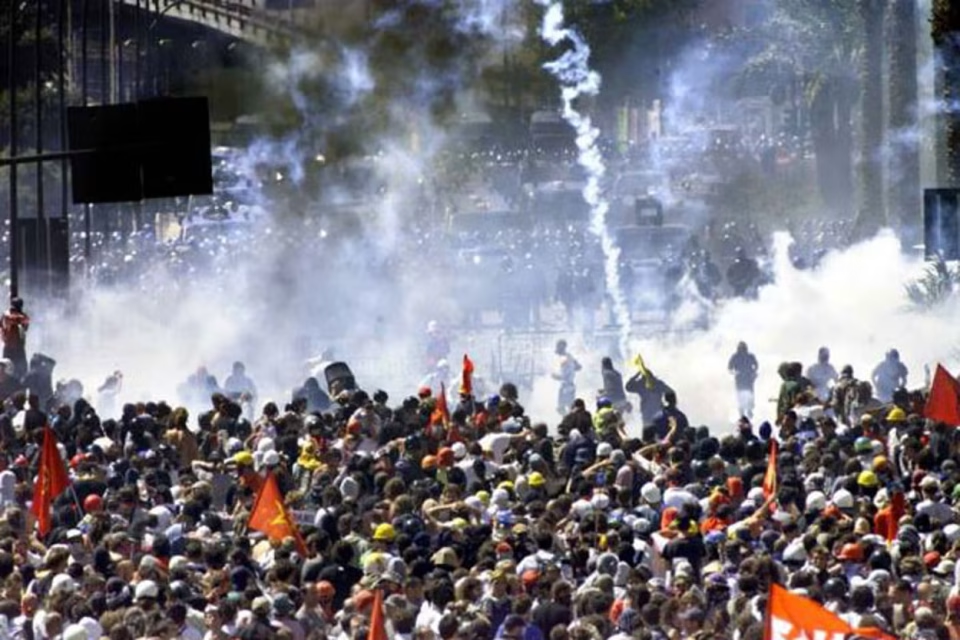
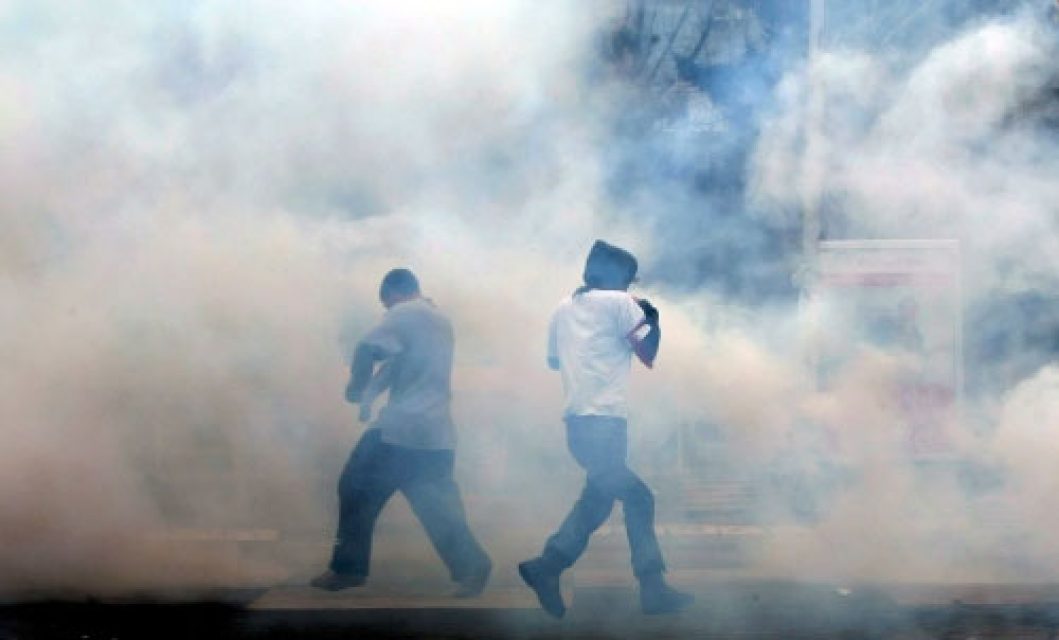
The Greek riots following the killing of Alexandros Grigoropoulos, the G20 protests in London and the protests surrounding the NATO summit in Strasbourg were vastly different events, yet the images often felt strangely similar. The specific subjects and occurrences appeared secondary to the atmosphere they conveyed.
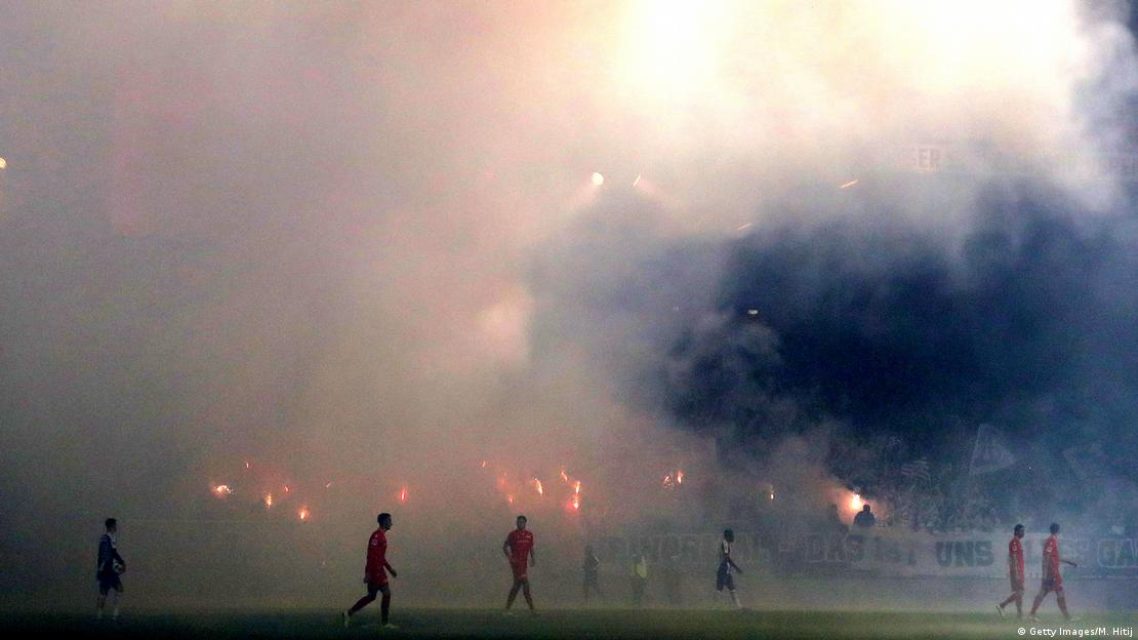
A recurring protagonist was smoke, occupying large parts of the image, indicating that something had happened while withholding information about exactly what. Individual actions were absorbed into a larger and less graspable whole. Smoke made the crowd appear larger, more anonymous and more collective than the visible individuals would suggest. The ordered geometry of the city, with its streets, walkways and facades, was destabilized by an amorphous mass. Traffic, police and ambulance lights, flares and fires gained intensity and lost focus when diffused through smoke or tear gas. As so much was left unseen, the imagination filled the gaps. What remained hidden often seemed more significant than what could actually be seen.
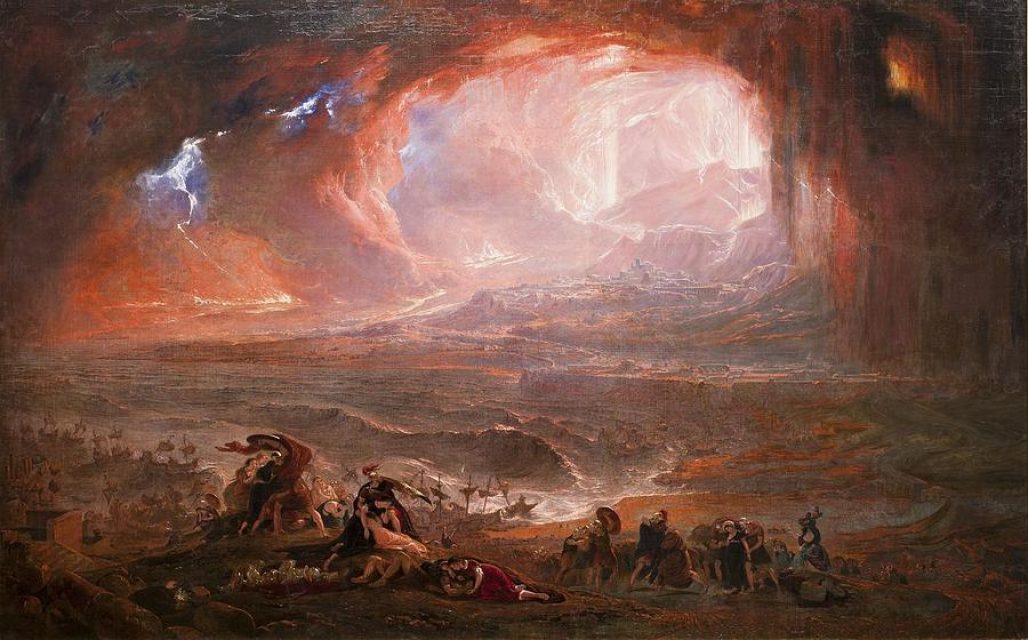
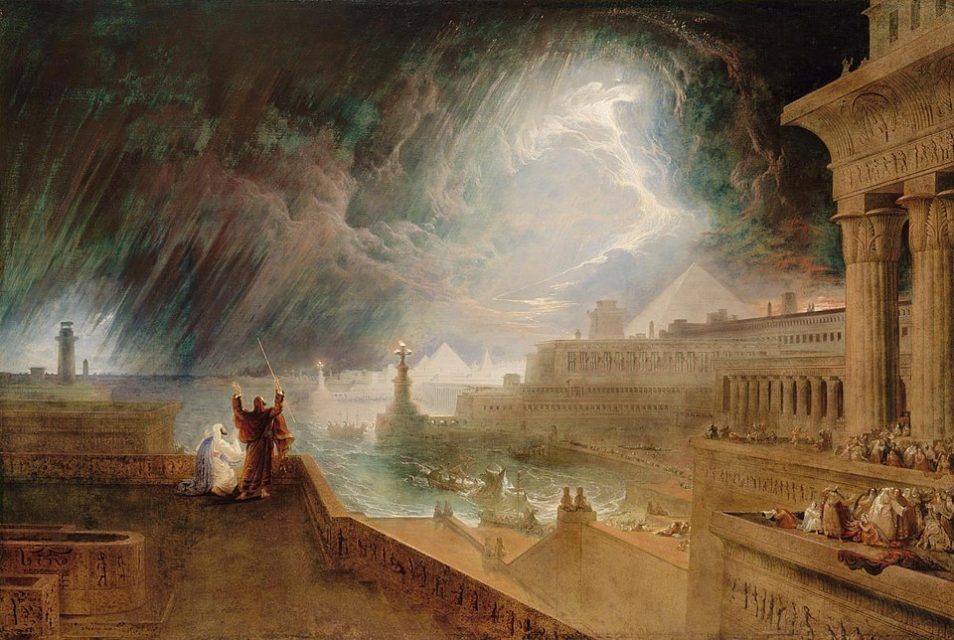
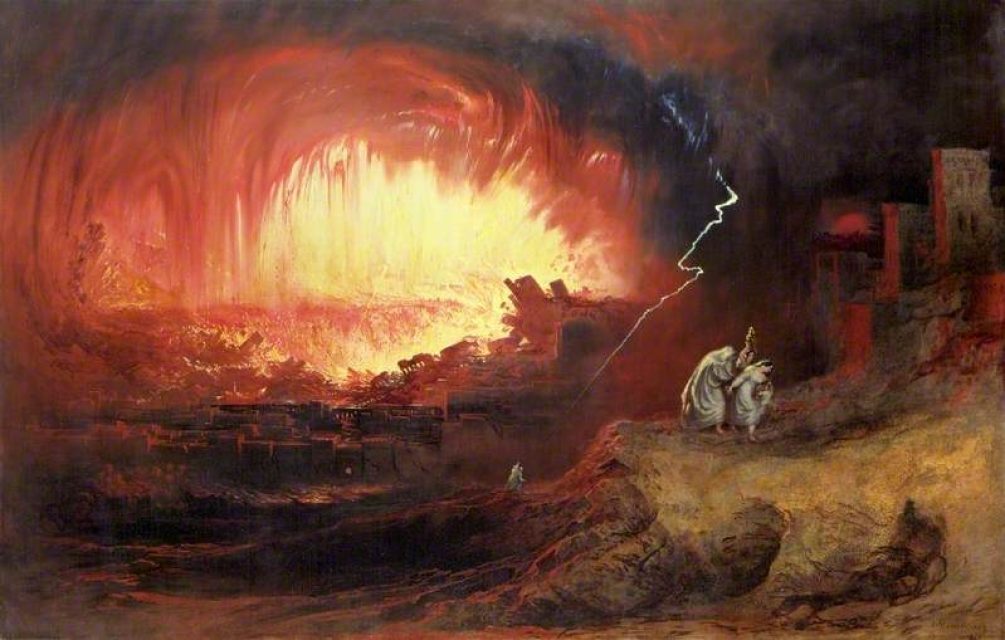
Looking again at the images I had collected at the time, I am reminded of the nineteenth-century English painter John Martin. Drawing on subjects from the Old Testament and Milton’s Paradise Lost, Martin painted highly dramatic, large-scale orgies of light and movement. Curiously, the drama rarely unfolds through the figures themselves. They often appear as small actors pursuing their individual stories. Instead, a wild, amorphous Armageddon seems to gather behind them. Fire, smoke, clouds and collapsing architecture dwarf human action, lending even the smallest gesture a sense of historical significance.
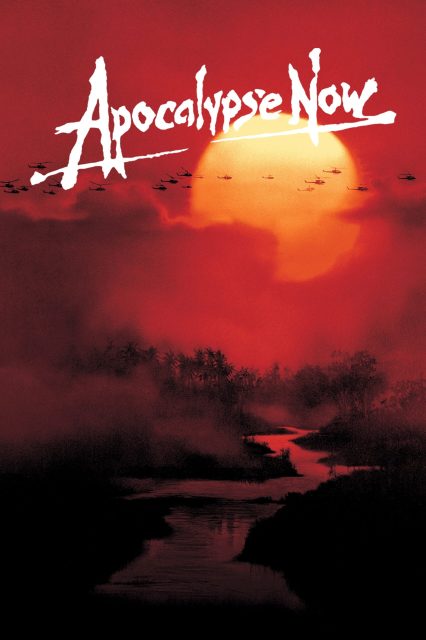
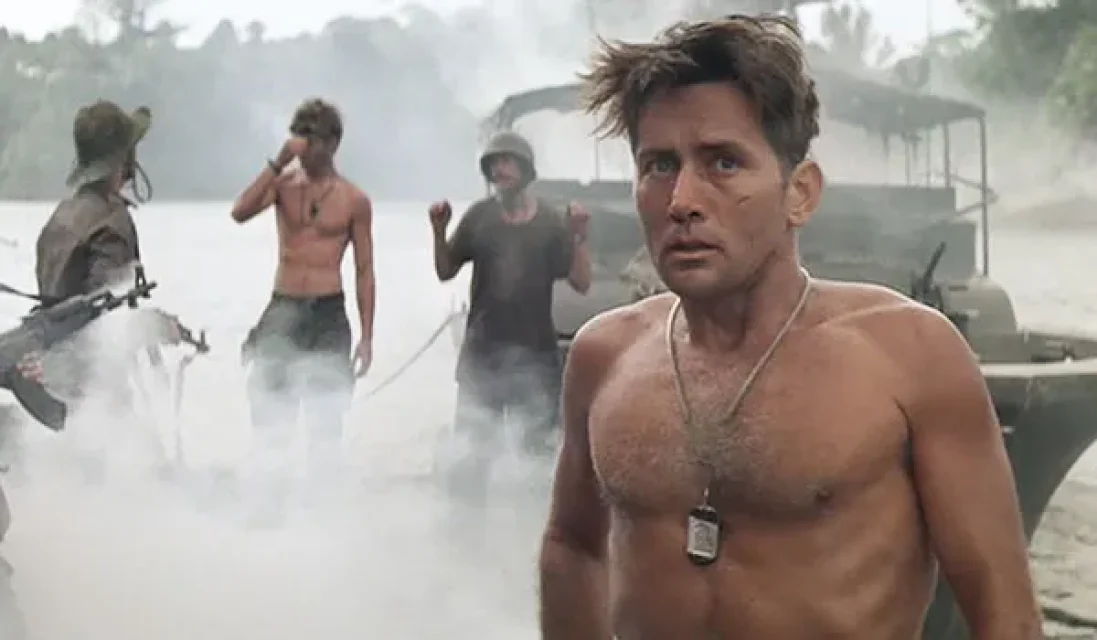
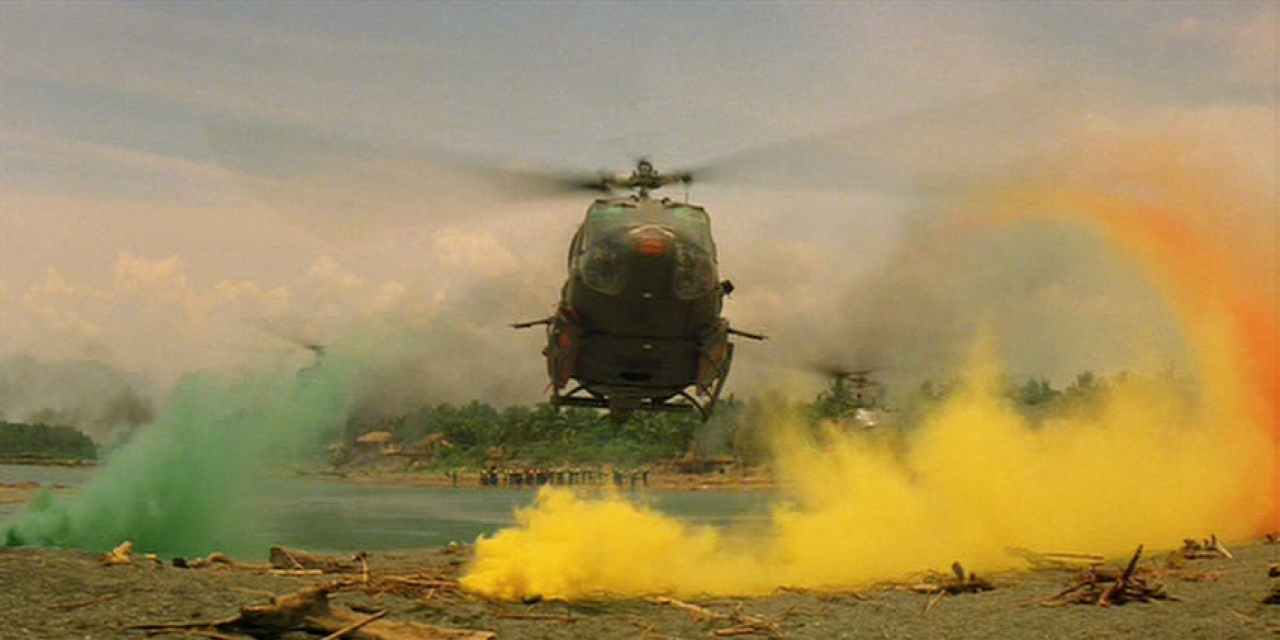
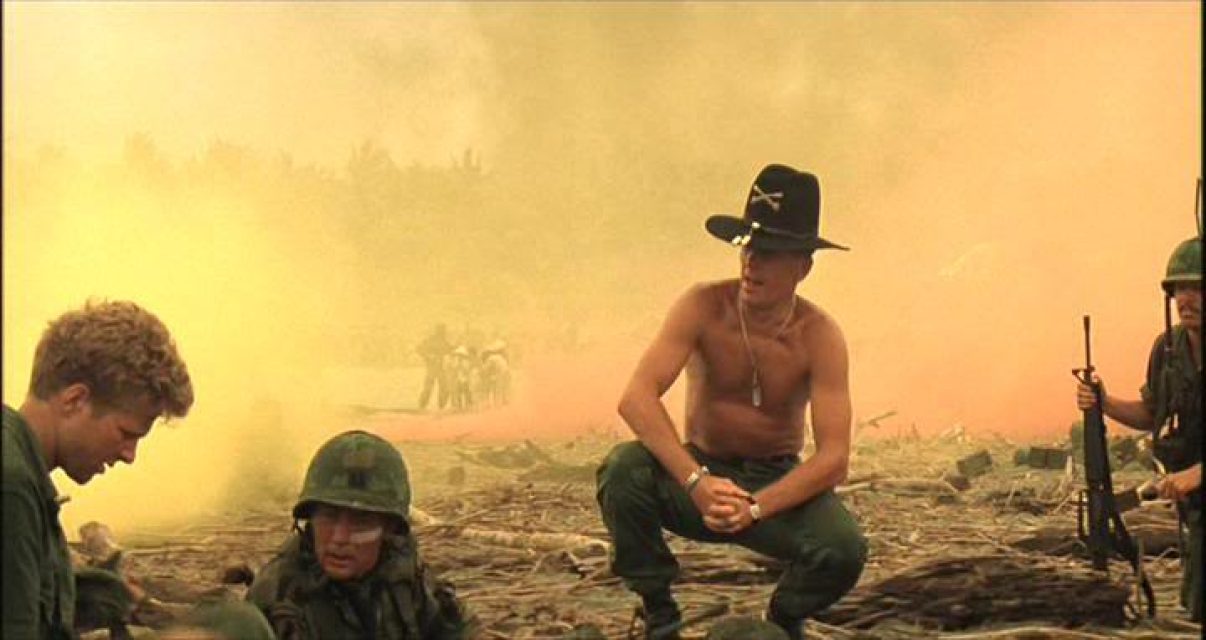
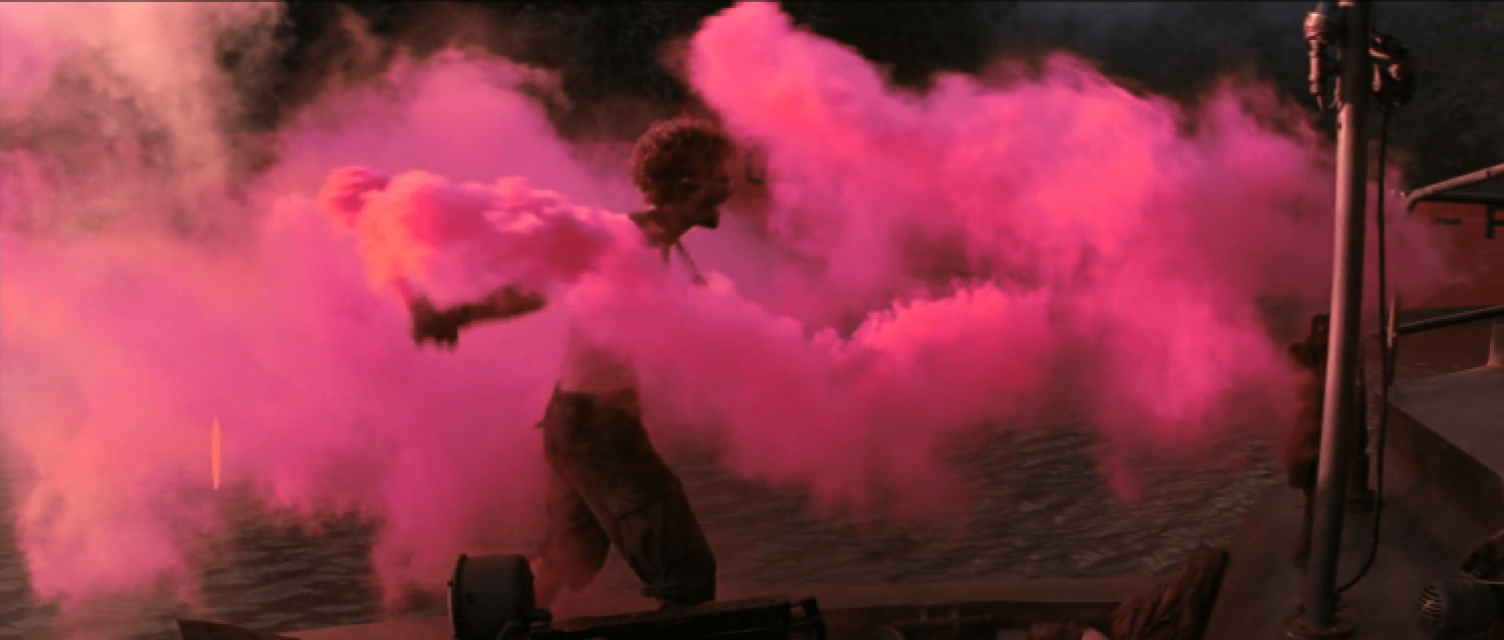
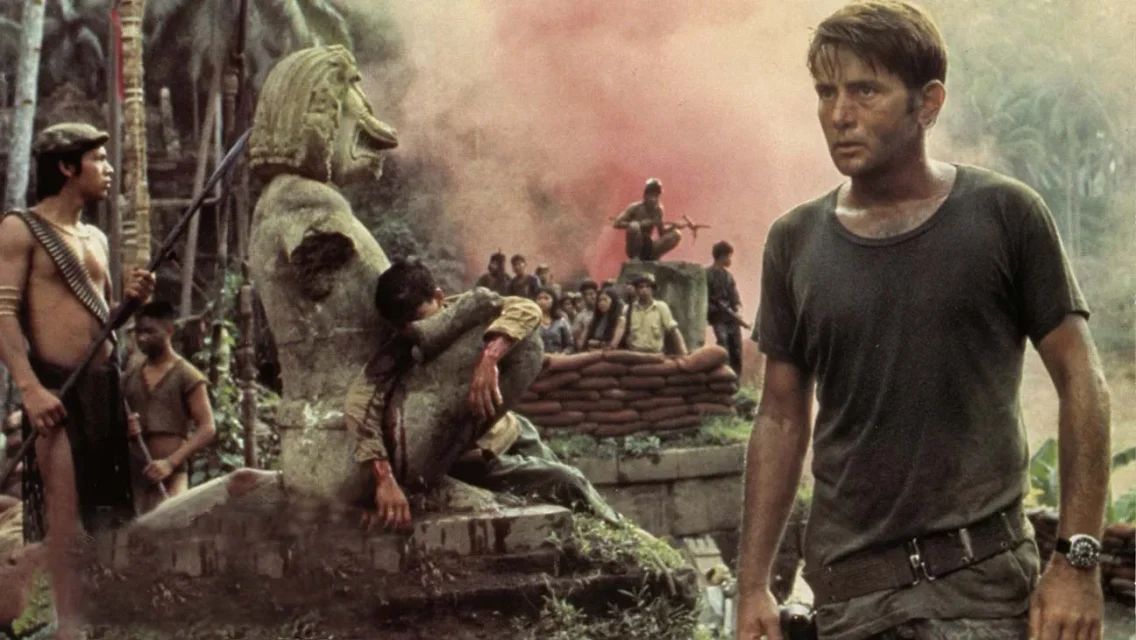
A similar logic can be seen in Coppola’s Apocalypse Now. Many scenes are saturated with mist, smoke and fire. Their atmosphere and obstructive qualities often put military action itself into second place, or even replace it altogether, turning individual events into something larger, more ambiguous and difficult to grasp. As the film constantly drifts between narrative, documentary and hallucination, so does the role of smoke. At times it serves as evidence of explosions, fires and destruction, at others it becomes atmosphere, spectacle, chaos or a veil obscuring events from view.
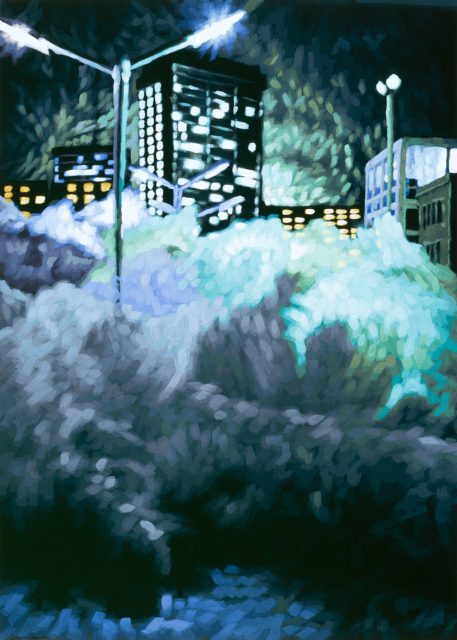
For more than twenty years I have been obsessed with smoke in my paintings. Curiously, this fascination stems from the impossibility of materializing it properly. In my mockups I have tried constructing it from paper, plastic foil, foam, cotton, cushion filling, steel wool and smoke machines, with varying degrees of success. The paradox is that smoke is a material without a surface. It consists almost entirely of volume and, in this respect, is nearly unique.
In this sense, the painting above might be understood as a small act of iconoclasm.